Brigitte Bardot, Iconic Film Star and Cultural Symbol, Dies at 91
Brigitte Bardot, the legendary actor, singer, style icon, and global sex symbol of the 1950s and 1960s, has died at the age of 91. She passed away on Sunday at her home in southern France, according to confirmation from the Brigitte Bardot Foundation for the protection of animals. No official cause of death has been disclosed, and funeral arrangements have not yet been announced.
Bardot had been hospitalized the previous month. Her passing marks the end of an era for European cinema and popular culture, where her influence reshaped film, fashion, and perceptions of female sexuality worldwide.
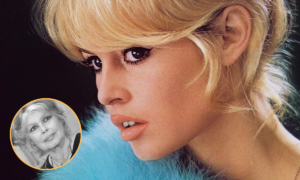
A Star Who Redefined Cinema
Born Camille Javal in Paris, Bardot rose to international fame in the 1950s, igniting global fascination with boldly sensual European films at a time when American cinema remained heavily censored. Her breakthrough came with And God Created Woman (1956), written and directed by her first husband, Roger Vadim. Though the film achieved only modest success in France, it became a global phenomenon, earning millions internationally and establishing Bardot as a worldwide icon.
Her youthful, unapologetic sensuality redefined Hollywood and international cinema, shifting beauty standards away from mature glamour toward a more youthful and natural femininity. Alongside figures such as Audrey Hepburn, Bardot helped entrench youth-centered ideals in film and media that persist to this day.
Career Highlights and Artistic Legacy
Although Bardot’s time as a dominant box-office draw was relatively brief, her cultural impact was vast. She starred in a wide range of films that showcased both her allure and her ambition to be taken seriously as an actress. These included Contempt (1963), directed by Jean-Luc Godard, which both utilized and critiqued her public image, as well as Babette Goes to War, La Vérité, Viva Maria, and Shalako, where she appeared opposite Sean Connery.
She retired from acting in the early 1970s, with her final films released in 1973. Despite stepping away from cinema, Bardot remained a powerful media presence for decades.
In addition to acting, Bardot recorded approximately 80 songs, several of which gained popularity, particularly during the 1960s and 1970s.
Activism, Controversy, and Later Years
After retiring from film, Bardot devoted her life to animal rights activism. In 1986, she founded the Brigitte Bardot Foundation, becoming one of the most outspoken and visible advocates for animal protection in Europe. Her activism earned widespread recognition, though she controversially refused France’s Legion of Honor.
Bardot’s later years were also marked by controversy due to her outspoken right-wing political views. She faced multiple legal fines in France for remarks deemed to incite racial hatred, particularly related to immigration and religion. These views complicated her public legacy but did not erase her cultural influence.
Personal Life and Survivors
Bardot was married four times, including to actor Jacques Charrier, with whom she had one son. In 1993, she married industrialist Bernard d’Ormale, who survives her. She is also survived by her son and two granddaughters.
An Enduring Global Icon
Brigitte Bardot leaves behind a legacy that transcends cinema. She was not only a film star but a cultural force who changed how women, beauty, and sexuality were portrayed on screen. Admired, criticized, and endlessly discussed, Bardot remains one of the most influential figures in modern film history.
Related Posts
-
 Tim McGraw Celebrates 29 Years of Marriage to Faith Hill With a Heartfelt Message
-
 Charlie Puth Performs Soulful National Anthem at the Super Bowl: A Memorable Musical Moment
-
 USAF Band’s Singing Sergeants Go Viral With Spiritual A Cappella Rendition of “Hallelujah”
-
 Harrison Ford Honored With SAG-AFTRA Life Achievement Award at Age 83
About The Author