Public Speculation Grows Over Melanie Griffith’s Facial Changes as AI Imagines Her Natural Aging Process
Melanie Griffith has once again become the subject of widespread public discussion, as fans and commentators analyze changes in her appearance over the decades. A recent surge of side-by-side photographs, artificial intelligence visualizations, and archival images from the 1980s to the present has reignited conversations about cosmetic procedures, natural aging, and the intense scrutiny faced by women in Hollywood.
From Rising Star to Hollywood Icon
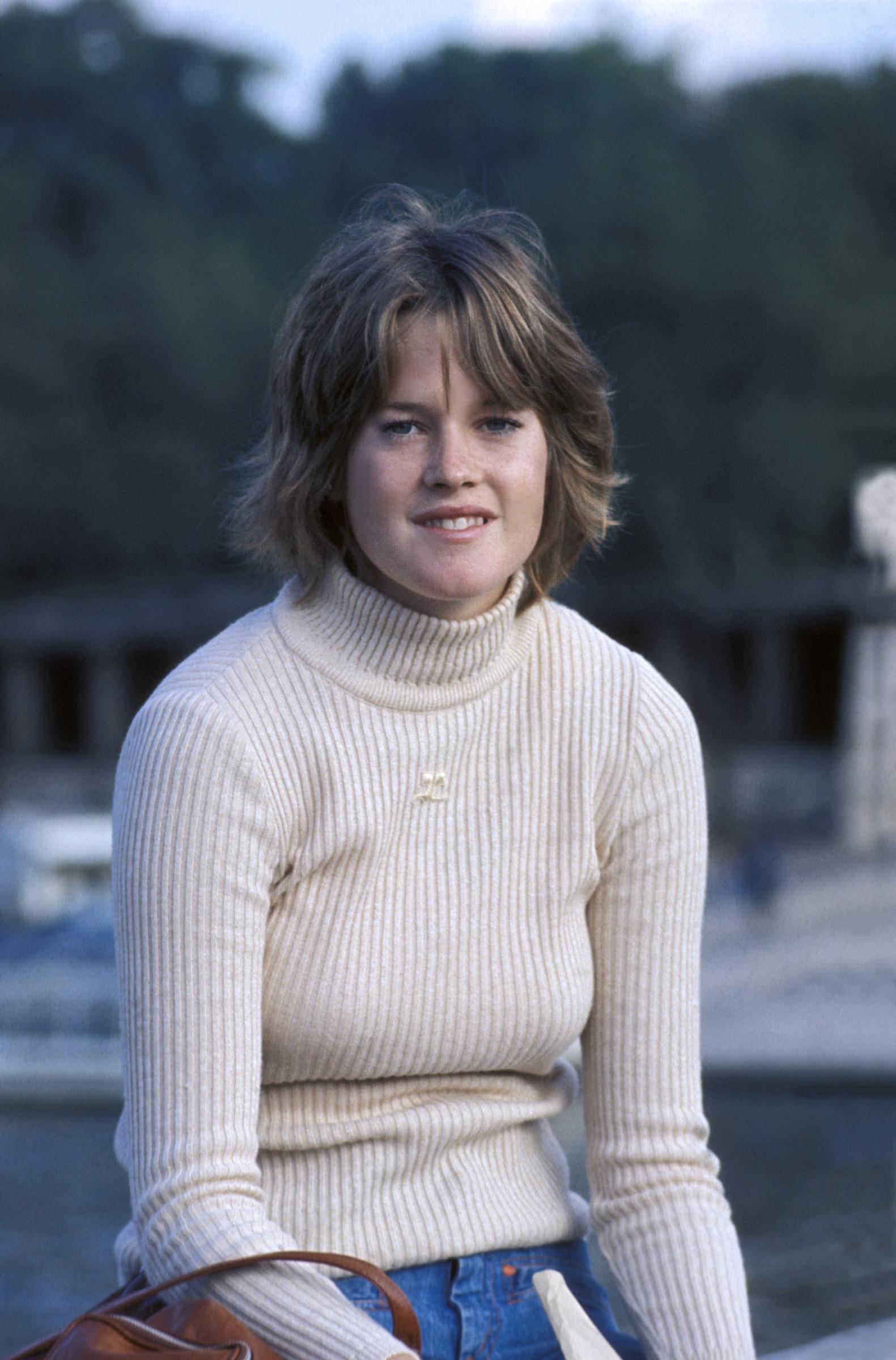
During the early 1980s, Griffith was widely admired for her youthful, natural beauty. Red carpet photographs from that era show a fuller face, soft contours, and expressive features that reflected minimal visible signs of aging. Her appearance aligned with the approachable, fresh-faced image that defined many of Hollywood’s leading women at the time.
Through the late 1980s and early 1990s, Griffith maintained a consistent look. Subtle lines around her eyes and forehead began to appear, but her facial expressions remained fluid and natural. Public appearances during this period showed gradual aging rather than dramatic transformation.
Subtle Changes and Growing Attention
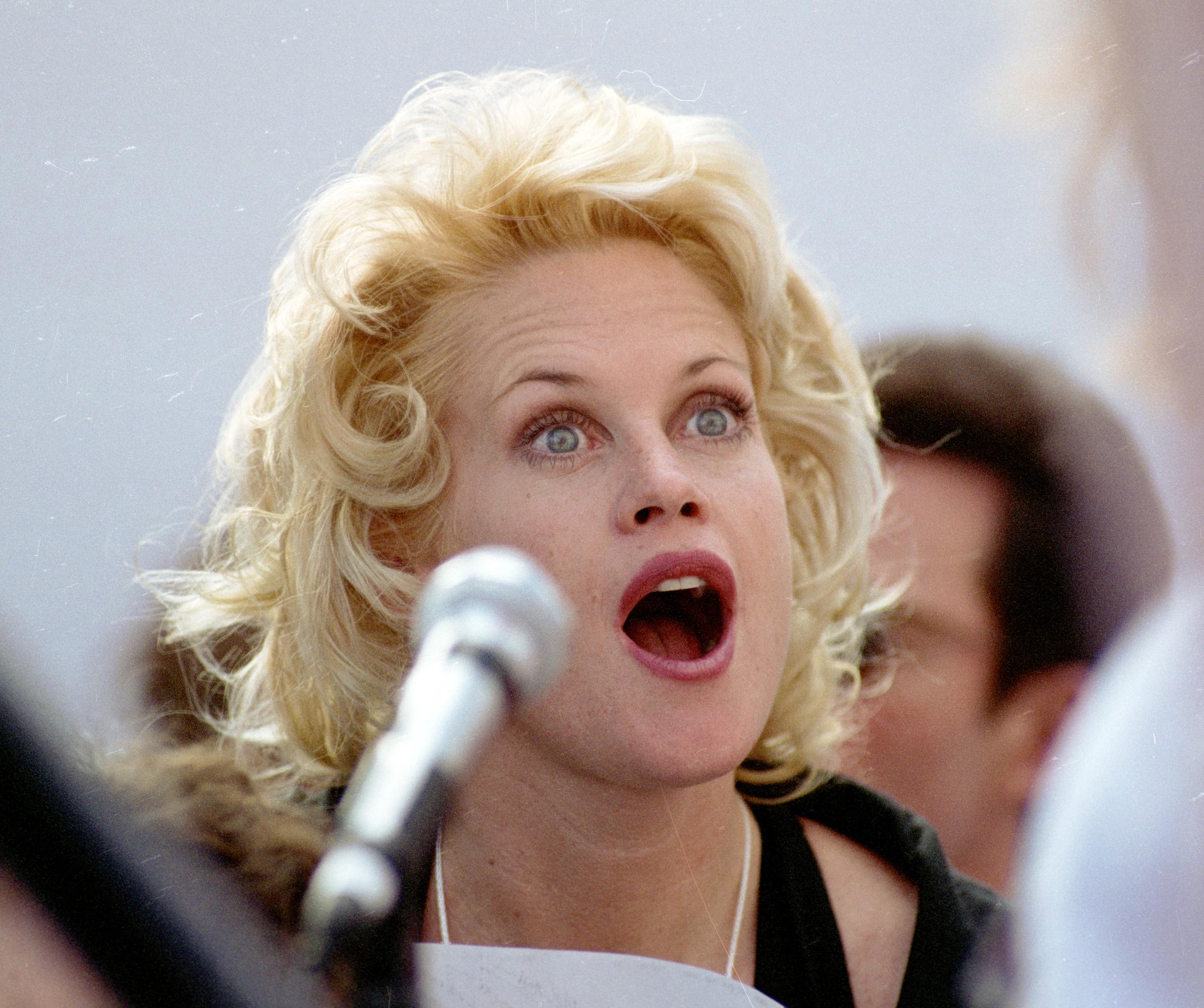
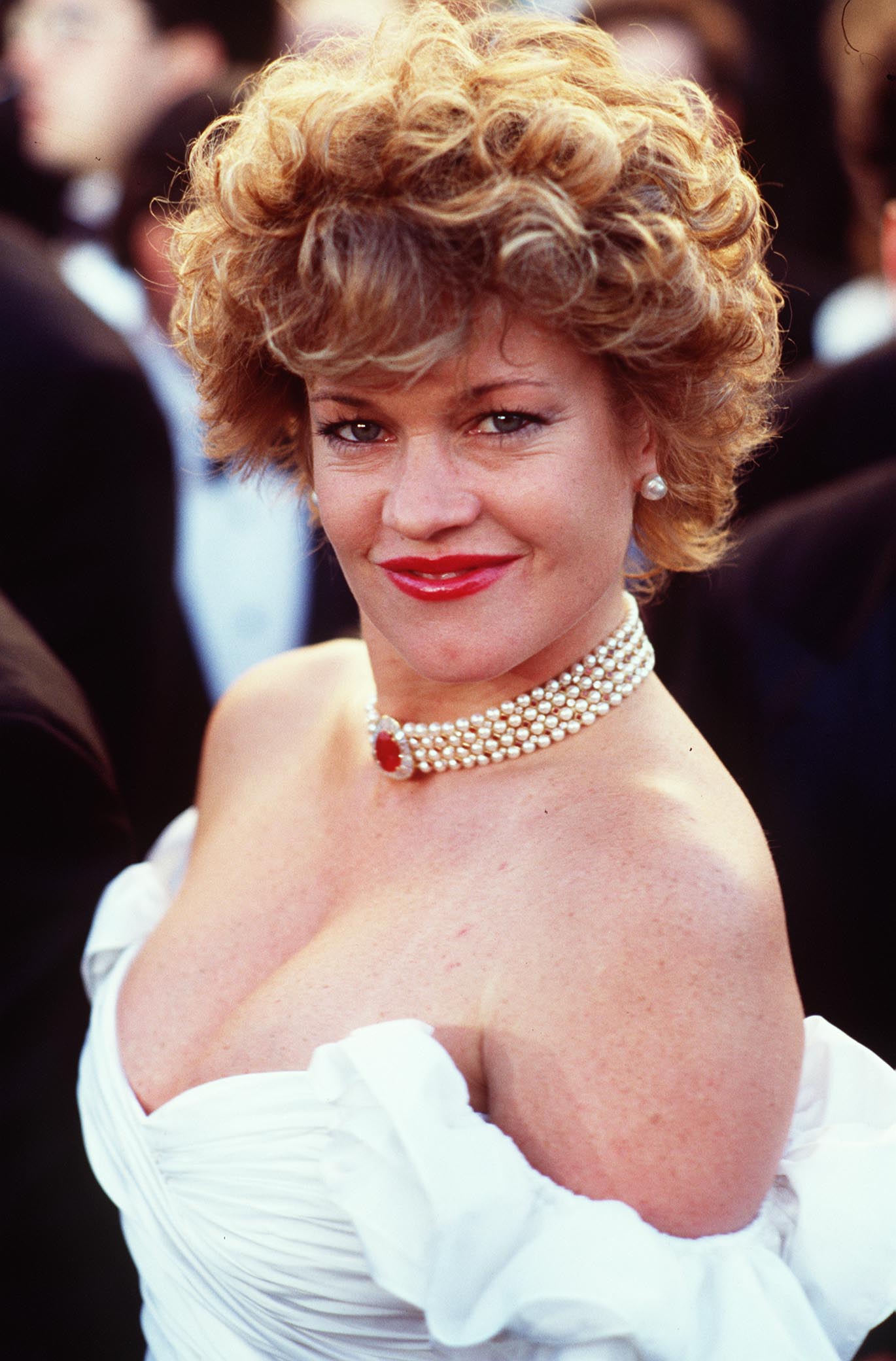
By the mid-to-late 1990s, observers began noting small but noticeable changes in Griffith’s appearance. Her skin appeared smoother, and her cheeks and lips showed increased volume. These changes sparked early speculation, though no official confirmation accompanied the growing commentary.
As the 2000s progressed, public discussion intensified. Her facial features appeared more structured, and expressions sometimes seemed more restrained. The consistency and smoothness of her skin became a focal point for online analysis, with many attributing the changes to cosmetic procedures while others urged restraint in drawing conclusions.
Recent Appearances Renew Debate
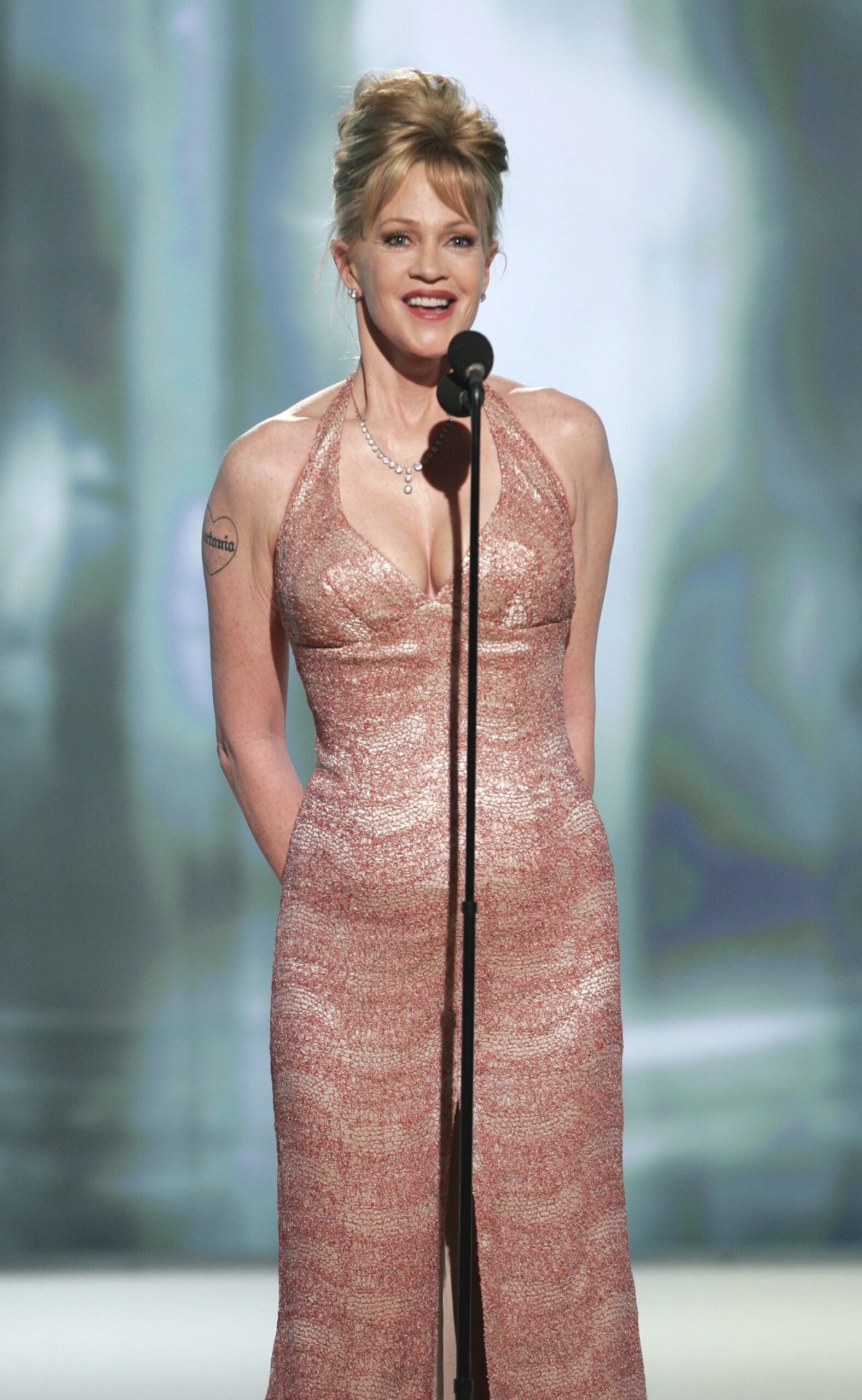
In 2025, Griffith’s return to public events brought renewed attention. At multiple high-profile appearances, including cultural and film-related gatherings, she presented a polished and refined look. While some natural lines were visible around her eyes and mouth, her overall appearance reflected a blend of maturity, cosmetic intervention, and natural aging.
Photographs from family celebrations later in the year, including her daughter’s wedding in Europe, circulated widely online. While many praised her elegance, others questioned her cosmetic choices, highlighting the continued public fascination with her appearance.
Melanie Griffith Addresses Cosmetic Criticism
Griffith has previously spoken openly about the emotional impact of public reaction to her appearance. In a widely cited interview, she acknowledged that she initially did not realize certain cosmetic procedures had altered her look more than intended. She explained that after becoming aware of public concern, she sought medical help to reverse some treatments.
Her candid remarks offered rare insight into the pressures faced by public figures navigating aging under constant scrutiny and contributed to a broader conversation about expectations placed on women in entertainment.
Health Challenges Behind the Scenes
Beyond cosmetic discussions, Griffith’s appearance has also been affected by serious health issues. She has publicly shared her experience battling basal cell carcinoma, a form of skin cancer first diagnosed in 2009. Surgical treatment on her face was required, and post-procedure marks were sometimes misinterpreted as cosmetic side effects.
The cancer later returned, requiring additional treatment. Rather than retreating from public life, Griffith used her platform to raise awareness about skin cancer prevention, encouraging regular checkups, sunscreen use, and early detection.
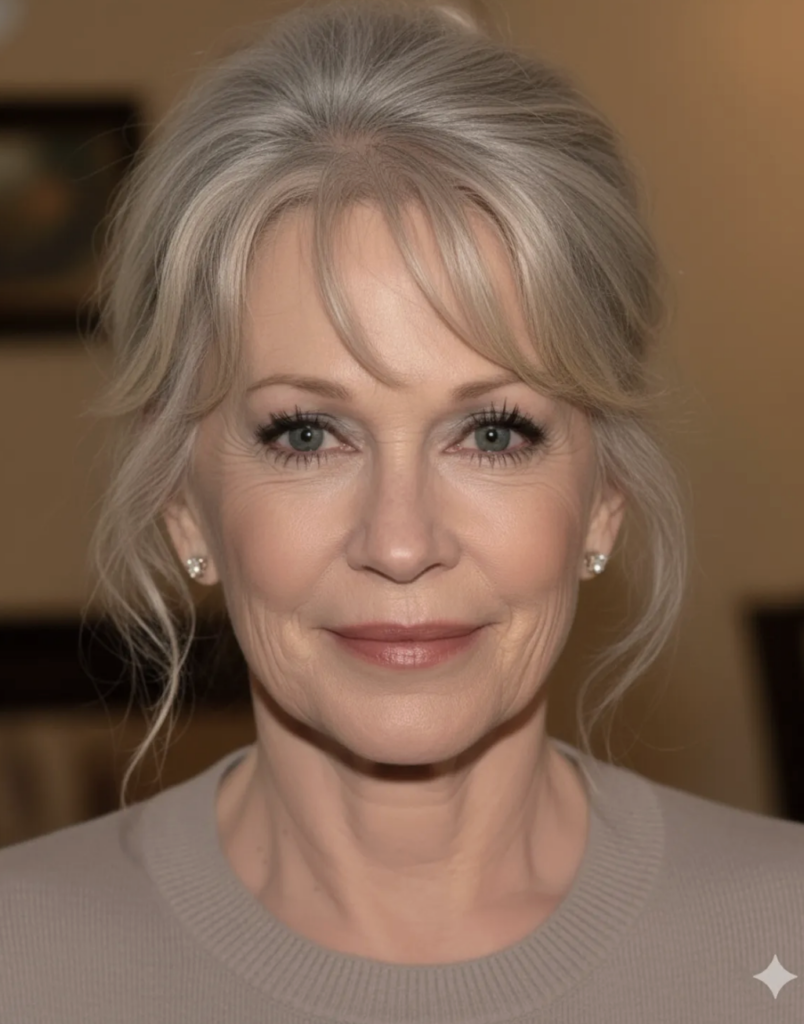 AI Photo
A Broader Conversation About Aging in Hollywood
Melanie Griffith’s evolving appearance reflects not only personal choices but also the complex intersection of aging, health, cosmetic medicine, and public expectation. As artificial intelligence tools attempt to visualize how celebrities might age naturally, the conversation continues to raise important questions about privacy, empathy, and the unrealistic standards often imposed on women in the public eye.
Related Posts
-
 Bear Rescued from Bile Farm Torture Finally Tastes Freedom
-
 Ilia Malinin Looks Ahead to the Future After Tough Olympic Free Skate: Lessons, Pressure and the Road to the Next Games
-
 Joshi Family Lost in AI-171 Crash: Final Selfie with Wife and Children Touched the World
-
 Taylor Swift and Travis Kelce Are Engaged: All the Details
About The Author