Inside Dolly Partons Modest Log Cabin Childhood Home Where She Sang Into a Tin Can and Dreamed of Stardom
What began as a simple pastime for Dolly Parton soon took on a prophetic quality, as she practiced for a future she could scarcely envision. Years later, the location that bore witness to her earliest dreams still holds significant reminders of the life she cherished.
Before she adorned herself with rhinestones, performed in packed venues, and gained global recognition, Dolly Parton entertained an audience of chickens and dogs from her mountain porch, using a tin can as her makeshift microphone.
The home where she first dreamt of a different life was surprisingly modest, and the preserved artifacts within reveal a clear narrative of her incredible journey.
Parton’s origins have gained deeper meaning following her passing at the age of 80 on August 25, 2026. Her nephew Bryan Seaver shared the news through an Instagram video, fulfilling a promise he made to his aunt years prior.
Seaver described Parton as a trailblazer who paved the way for her family and countless artists. He fittingly noted, ‘Dolly was a farmer, just like her daddy; he farmed the soil, she farmed songs and happiness.’
Before Parton could cultivate her songs, she was one of twelve siblings born to Robert Lee and Avie Lee in the hills of East Tennessee.
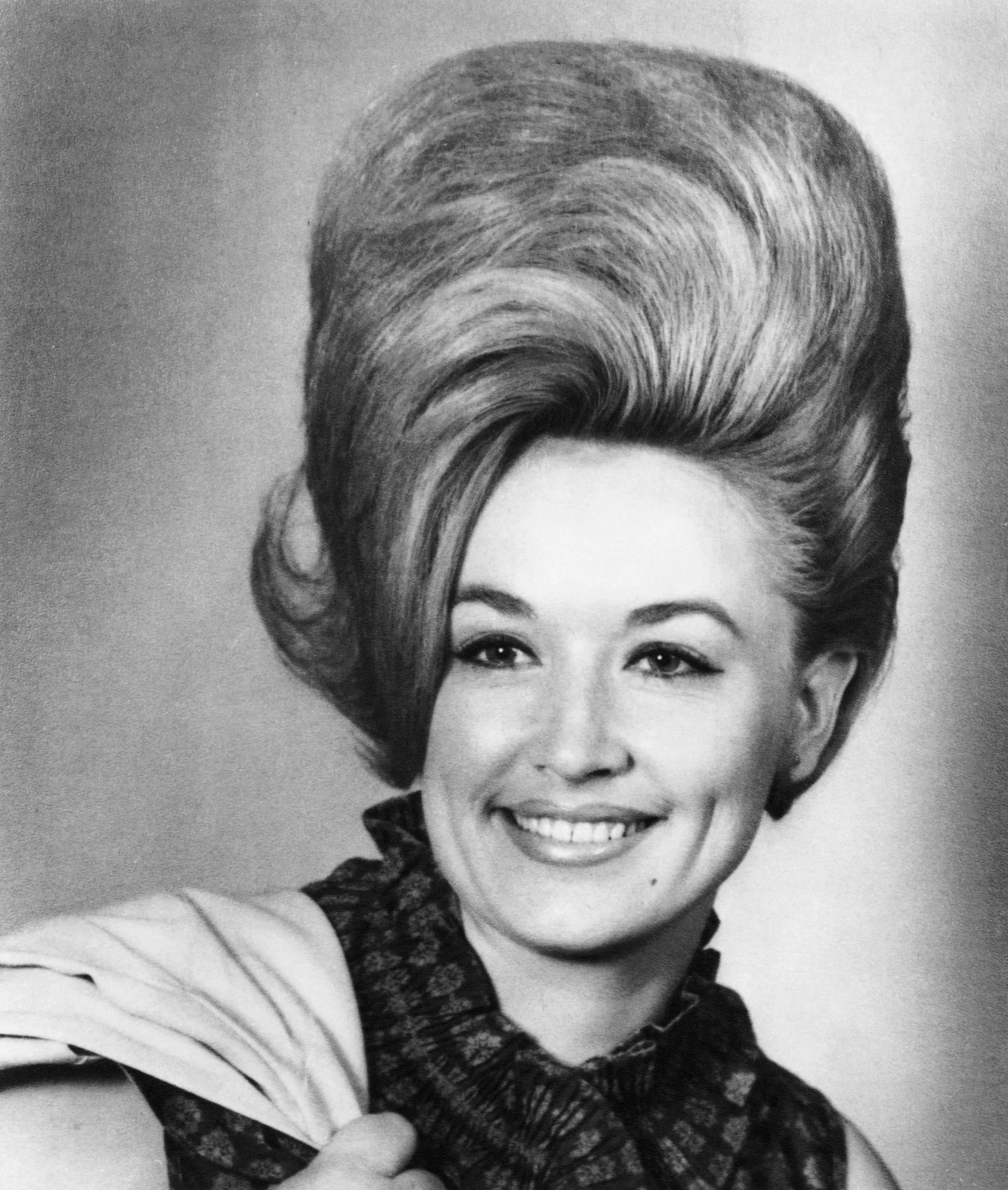
The Small Mountain Home Behind a Grand Dream
Parton grew up in a one-bedroom cabin near Locust Ridge in Sevier County, close to the Great Smoky Mountains, which represented the rural Appalachian life she would often revisit in her music.
The family struggled financially, and Parton vividly recalled the hardships of her childhood even after moving to Nashville in 1964 to pursue her dreams.
"We didn’t have anything," she reflected. Her mother crafted quilts and curtains, repurposed clothing, and created garments from feed sacks and leftover fabric.
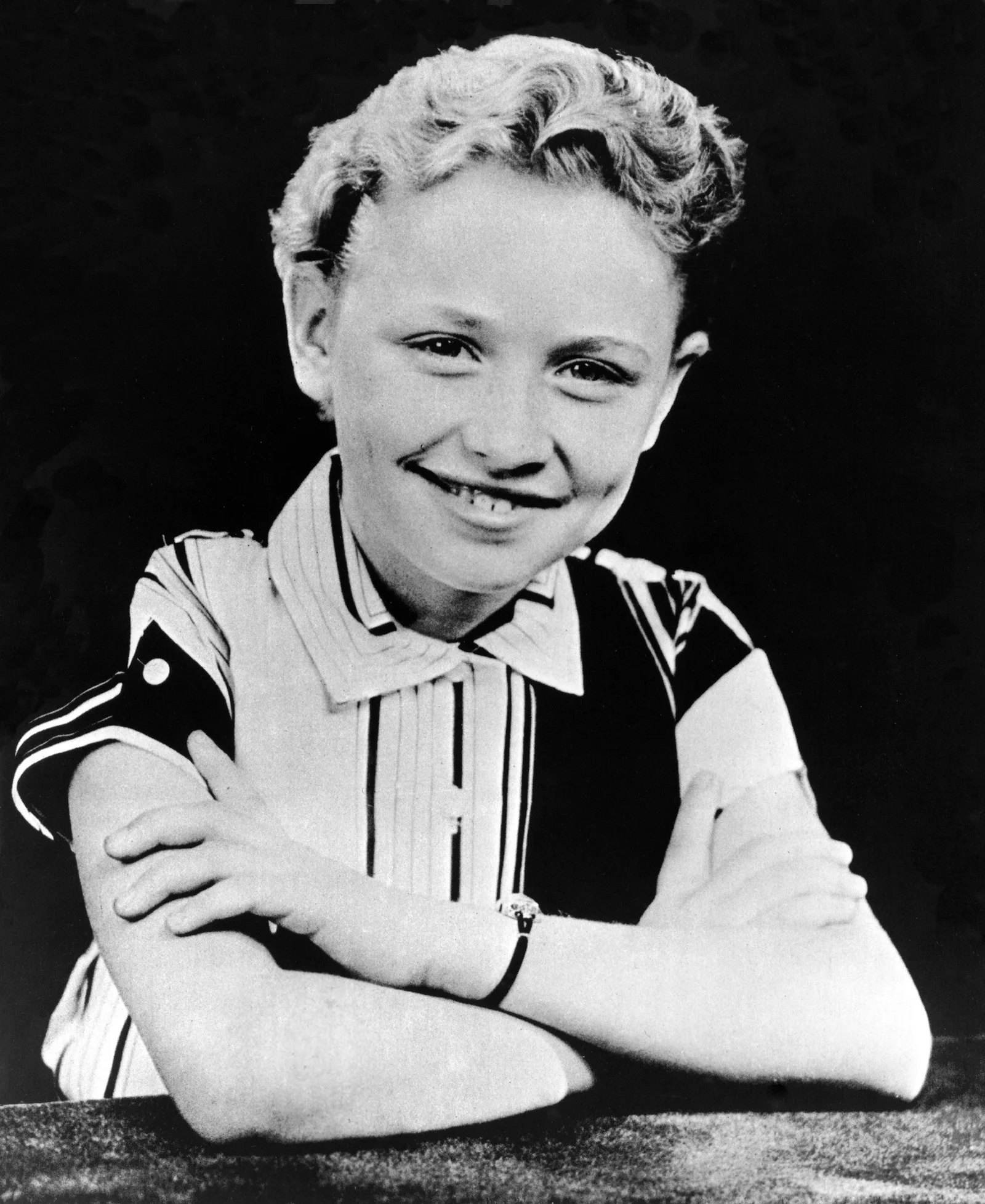
These experiences became integral to her songwriting, particularly in the hit "Coat of Many Colors." Parton fondly remembered attending school believing she looked like the biblical Joseph in his prized colorful coat, only to be mocked. She returned home in tears, feeling betrayed by her mother.
Avie Lee’s words resonated with her: "I don’t want you to ever say that we’re poor," she told Parton. "We are rich in kindness, love, and understanding." From their humble beginnings, the Partons possessed an abundance of imagination.
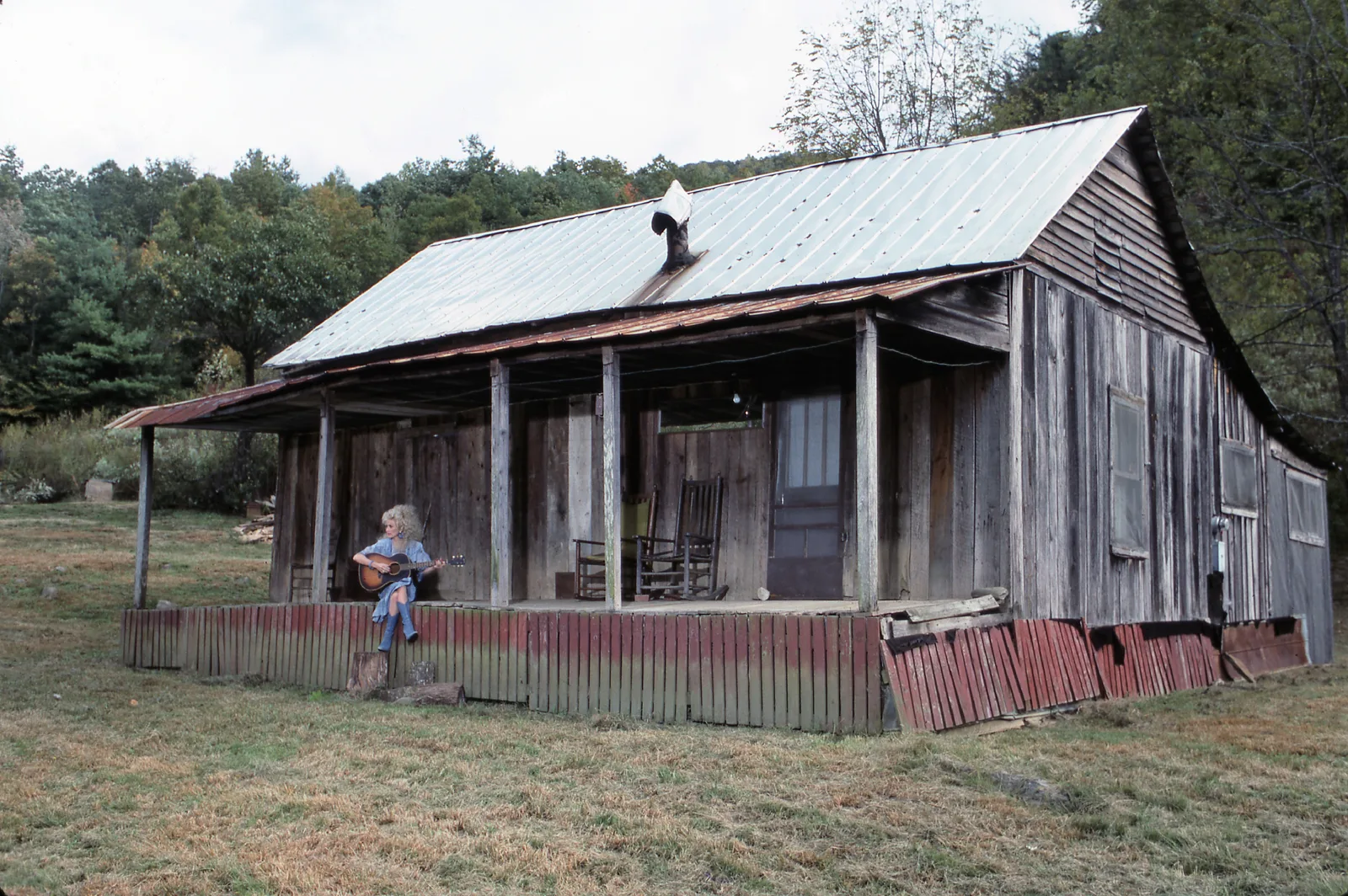
The Original Cabin
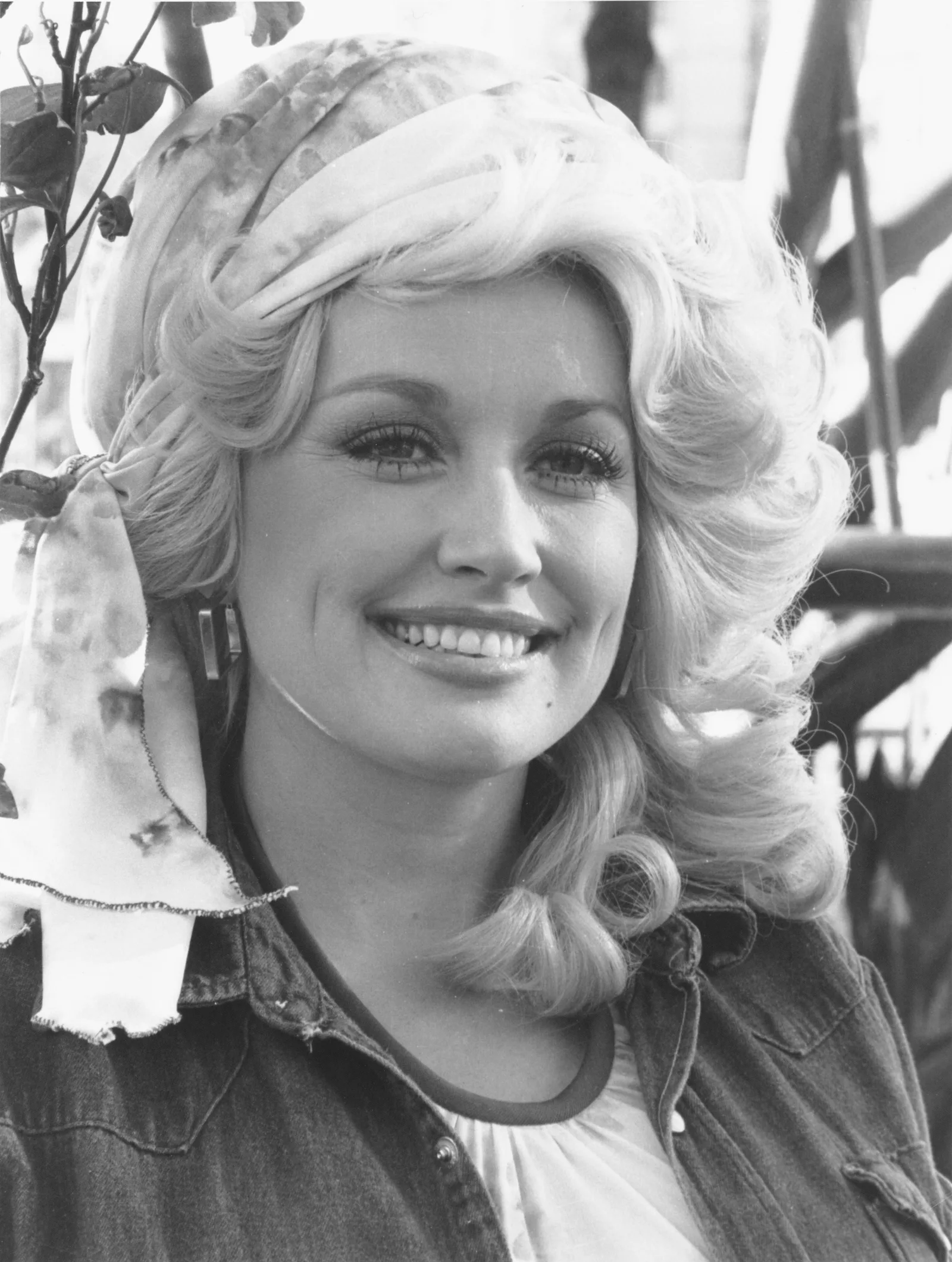
Her First ‘Microphone’ Was a Tin Can
It was from this home that Parton began to creatively rehearse for the future she envisioned. In a 2025 cover story for People, she reminisced about living with her parents and eleven siblings without electricity or running water.
Her childhood ‘microphone’ was not plugged in; instead, she ingeniously crafted one using a tin can and a tobacco stick.
"I felt like a star when I stood on the front porch, wedging the tobacco stick into the porch’s crack to sing my heart out," Parton recalled.
As she sang, she envisioned herself performing at the Grand Ole Opry and aspired to leave her mountain community to sing for real audiences. That simple, homemade microphone, she stated, "lifted me from the Smoky Mountains to the pinnacle of success."
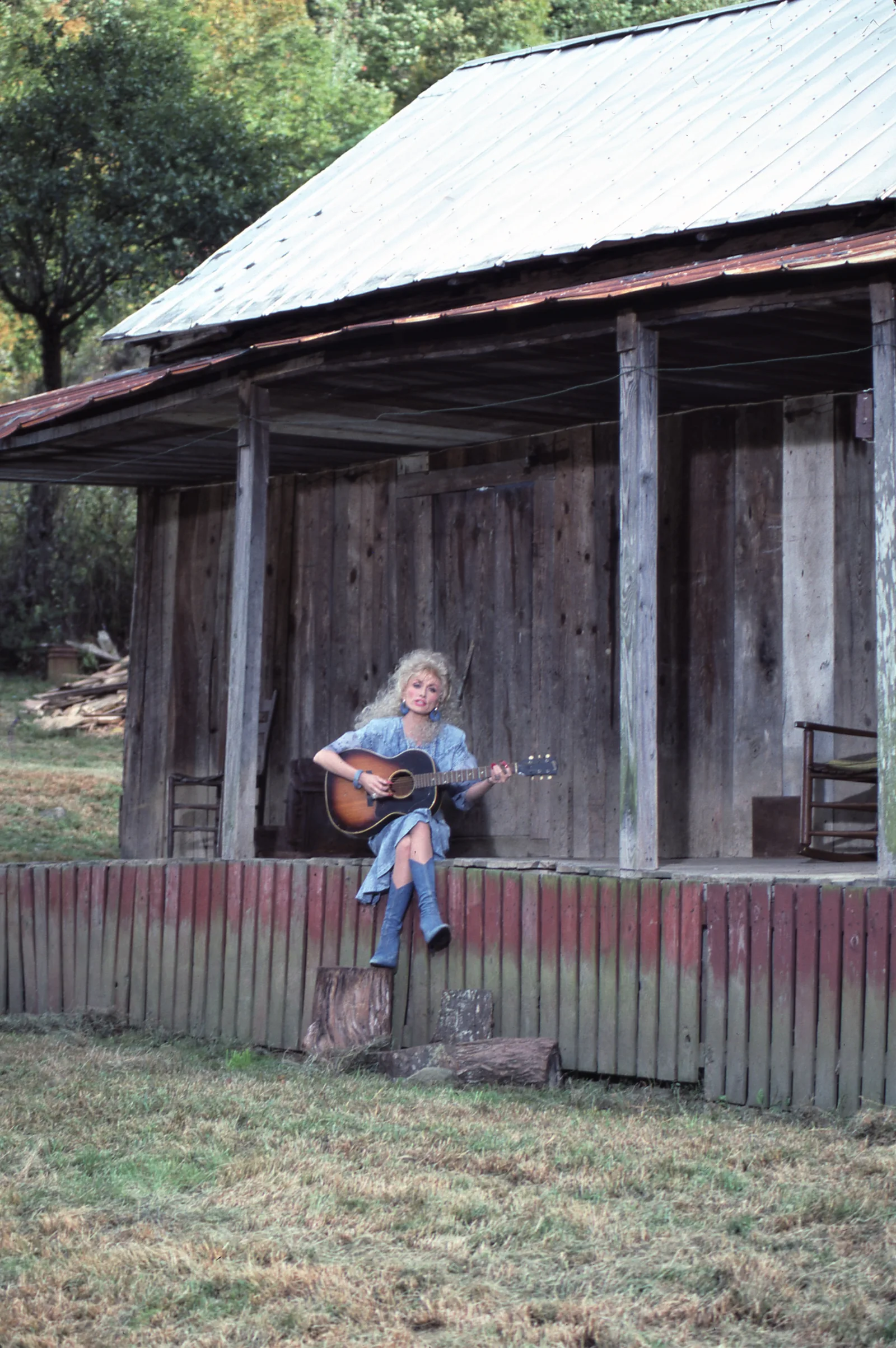
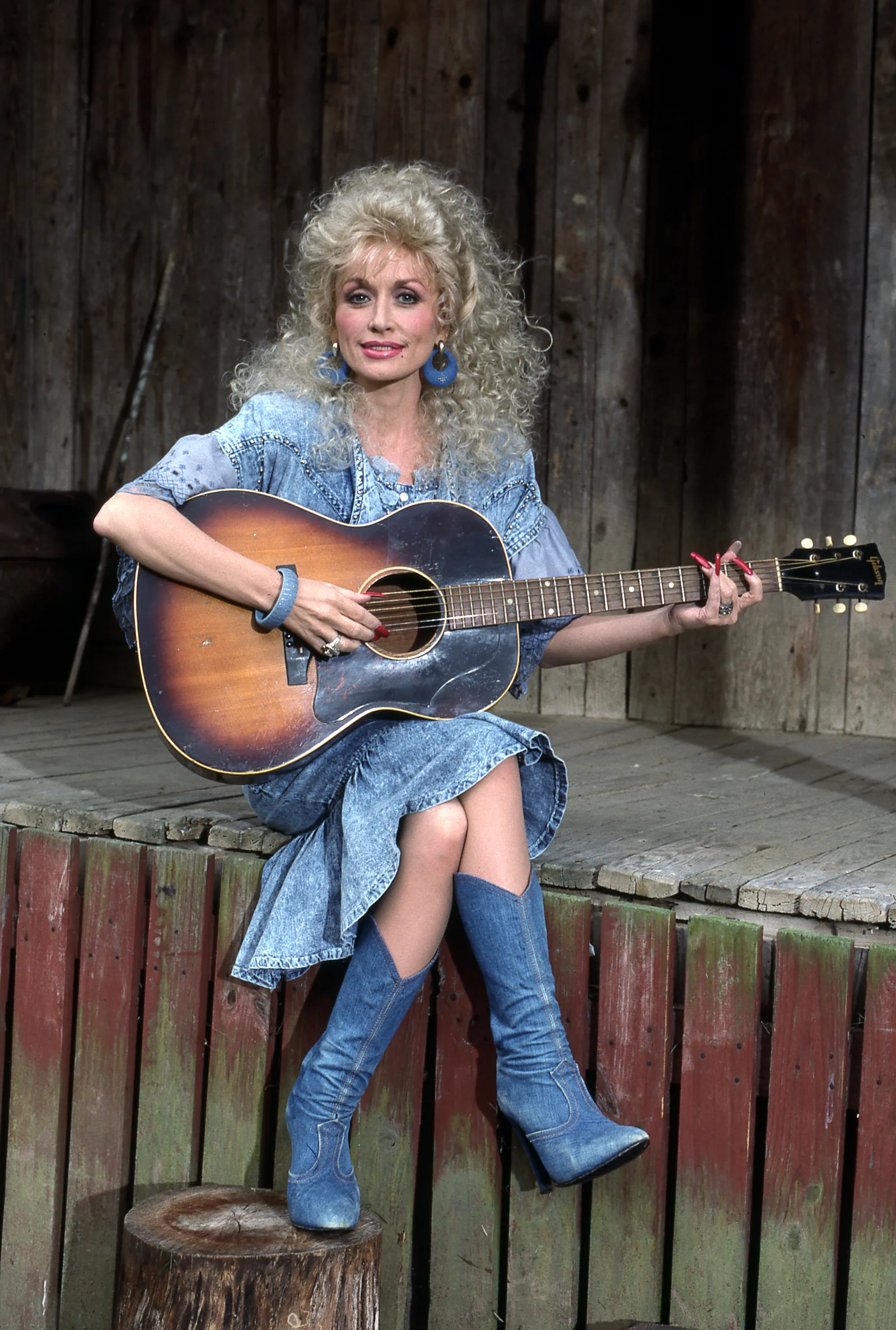
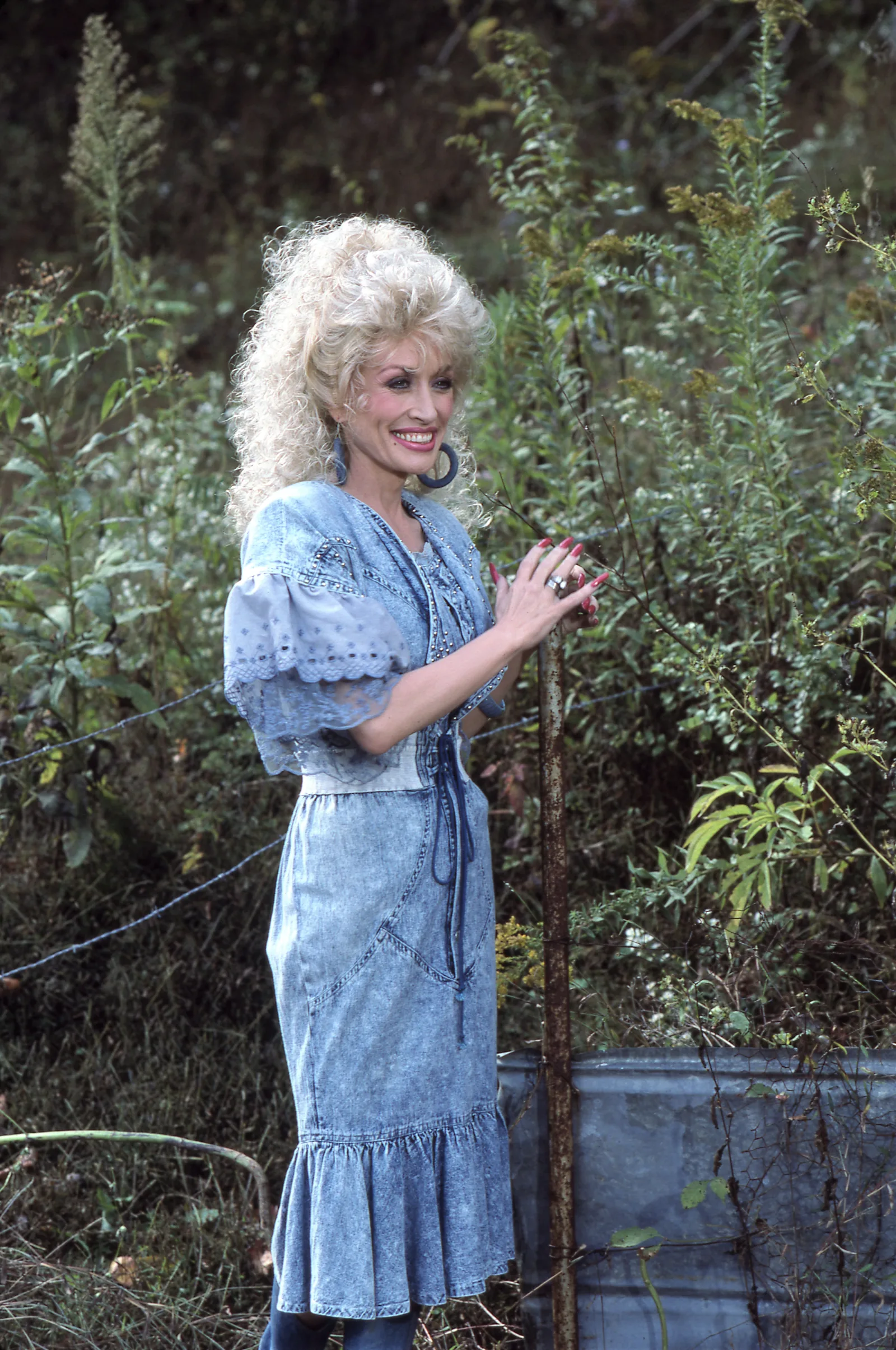
Parton’s aspirations began to materialize at a remarkably young age. At just 13, she took the stage at Nashville’s Grand Ole Opry in 1959, introduced by Johnny Cash. This experience was a far cry from entertaining ‘the chickens and the dogs and the little kids in the yard,’ as she humorously recounted.
She realized something significant had shifted when audiences started requesting encores. She would look to her Uncle Bill Owens and ask, ‘They liked me, didn’t they?’ Eventually, she thought, ‘I might be a star,’ while he affirmed, ‘I believe you’re going to be.’
After completing high school, Parton moved to Nashville, where she became Porter Wagoner’s duet partner and eventually carved out a successful solo career with hits like ‘Jolene’ and ‘Coat of Many Colors.’ However, she never distanced her success from the small home where she first imagined herself as a performer.
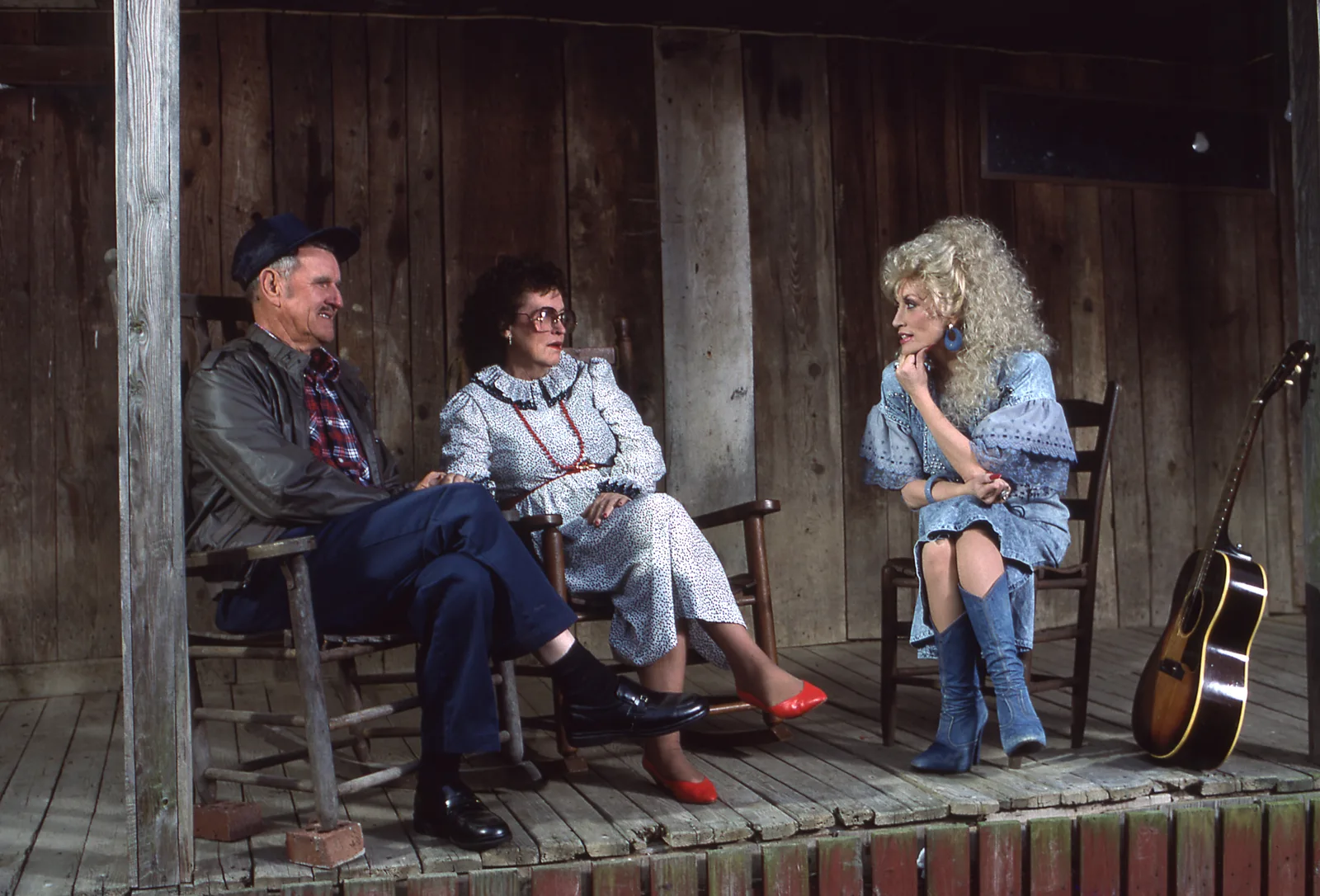
The Original Cabin Still Stands, But Visitors Can’t Just Walk In
As per TheSmokies.com, the original Parton residence still exists in Locust Ridge, near Evans Chapel. Although Parton’s parents sold the property eventually, she repurchased the land and worked to restore the cabin to its former state, joking that she spent millions to make it look as humble as it did during her upbringing.
However, the authentic home remains private, surrounded by a tall fence that prevents visitors from trespassing. This adds to the allure of the replica available to Parton’s fans elsewhere.
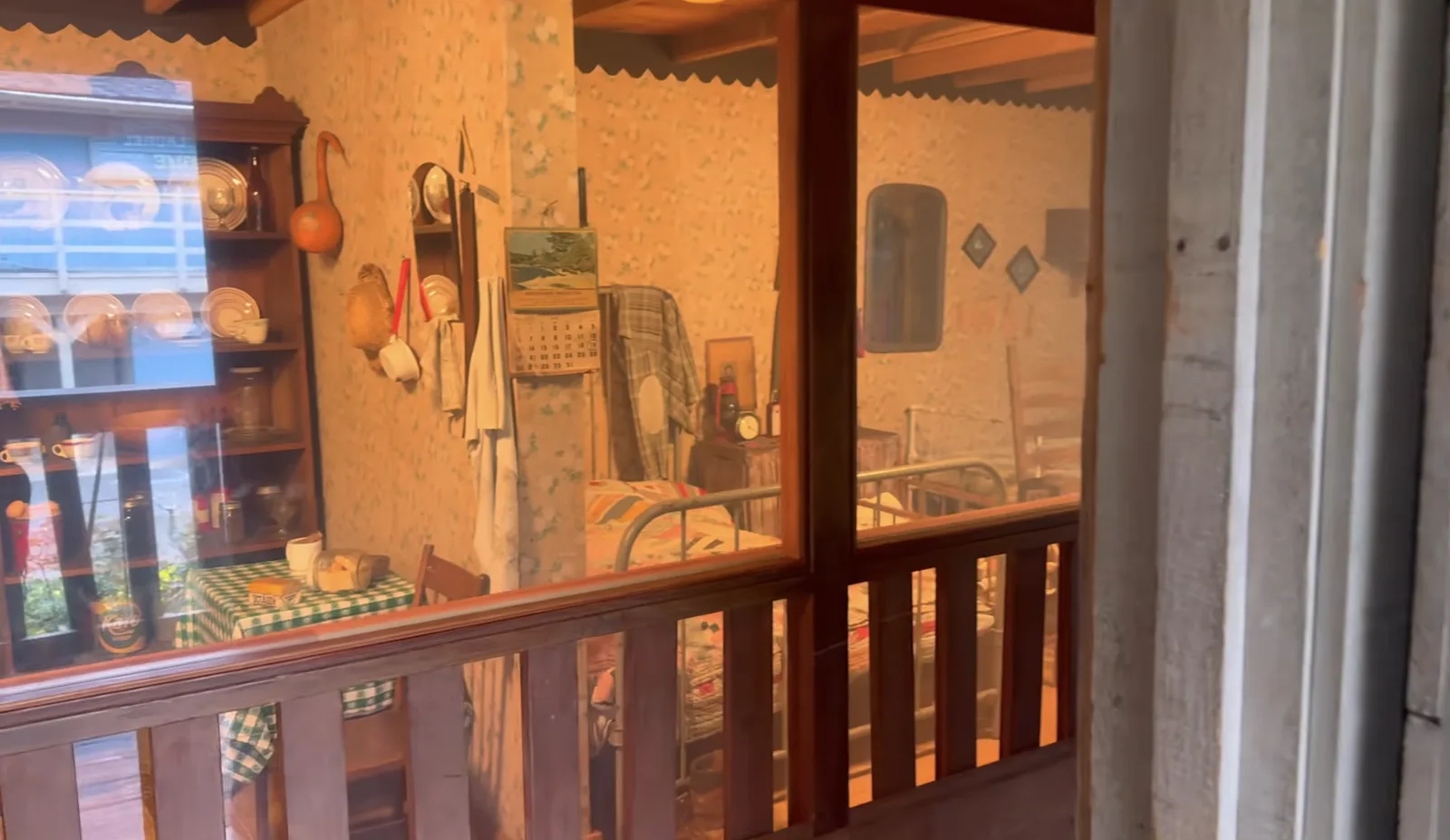
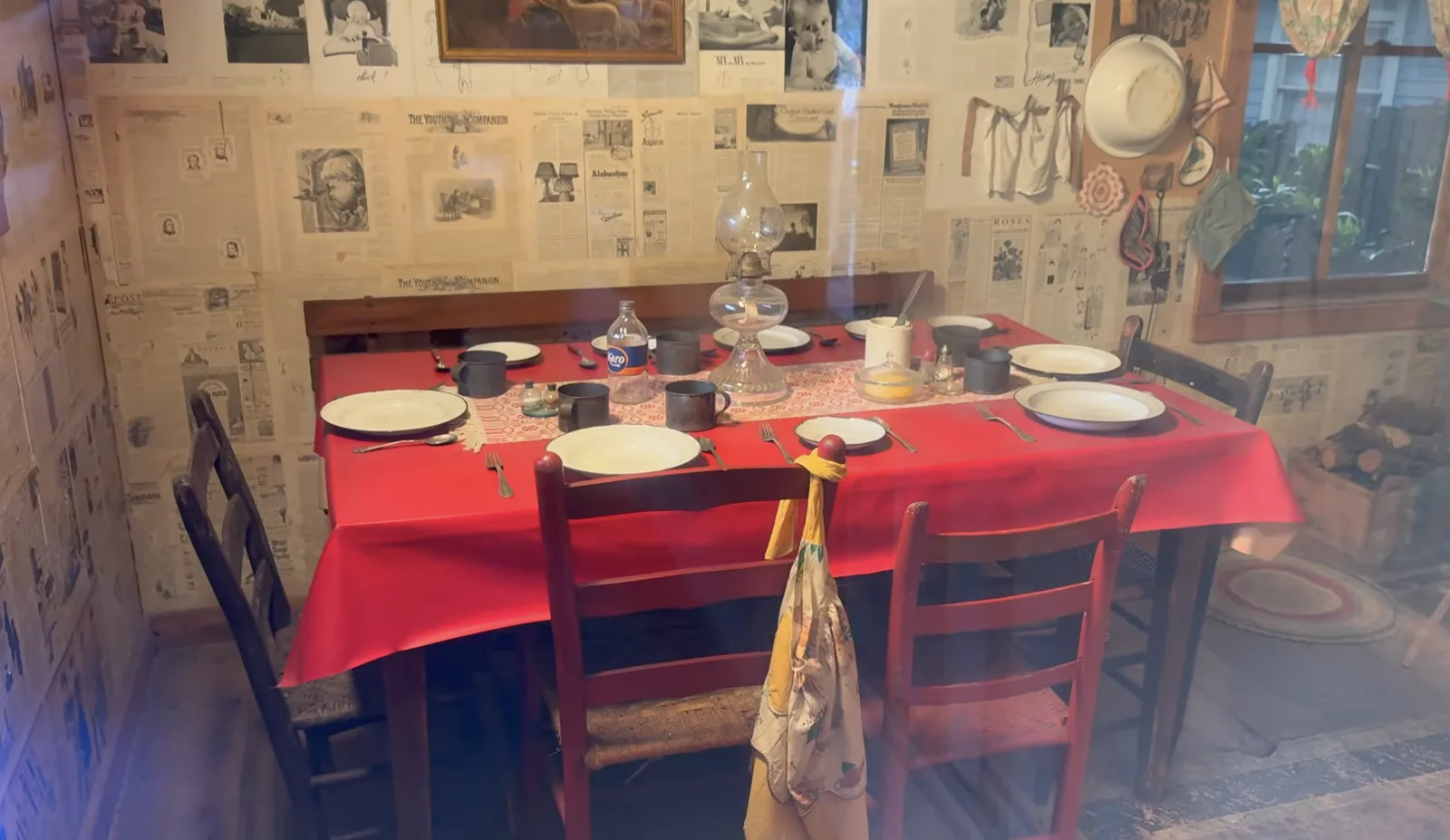
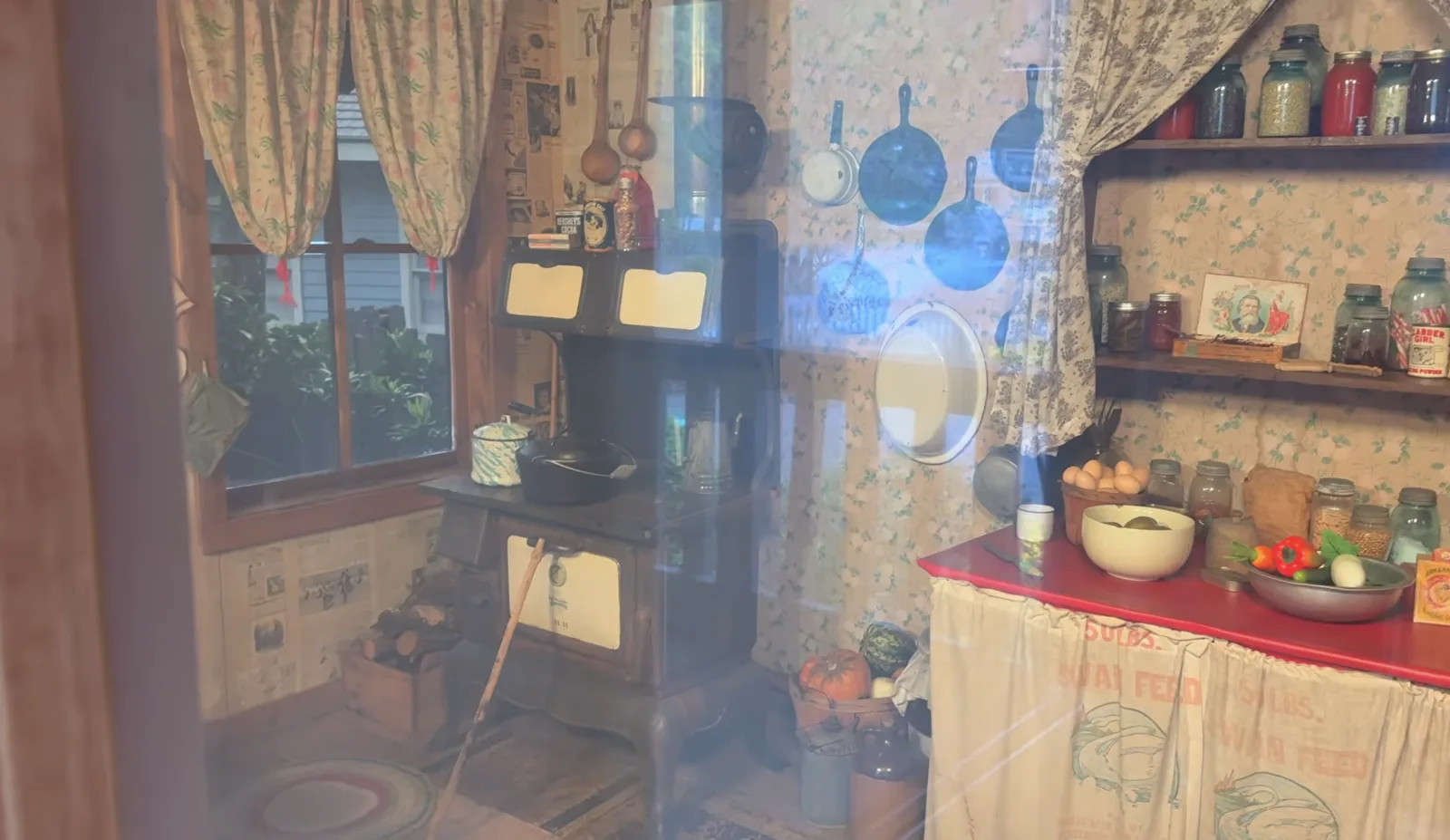
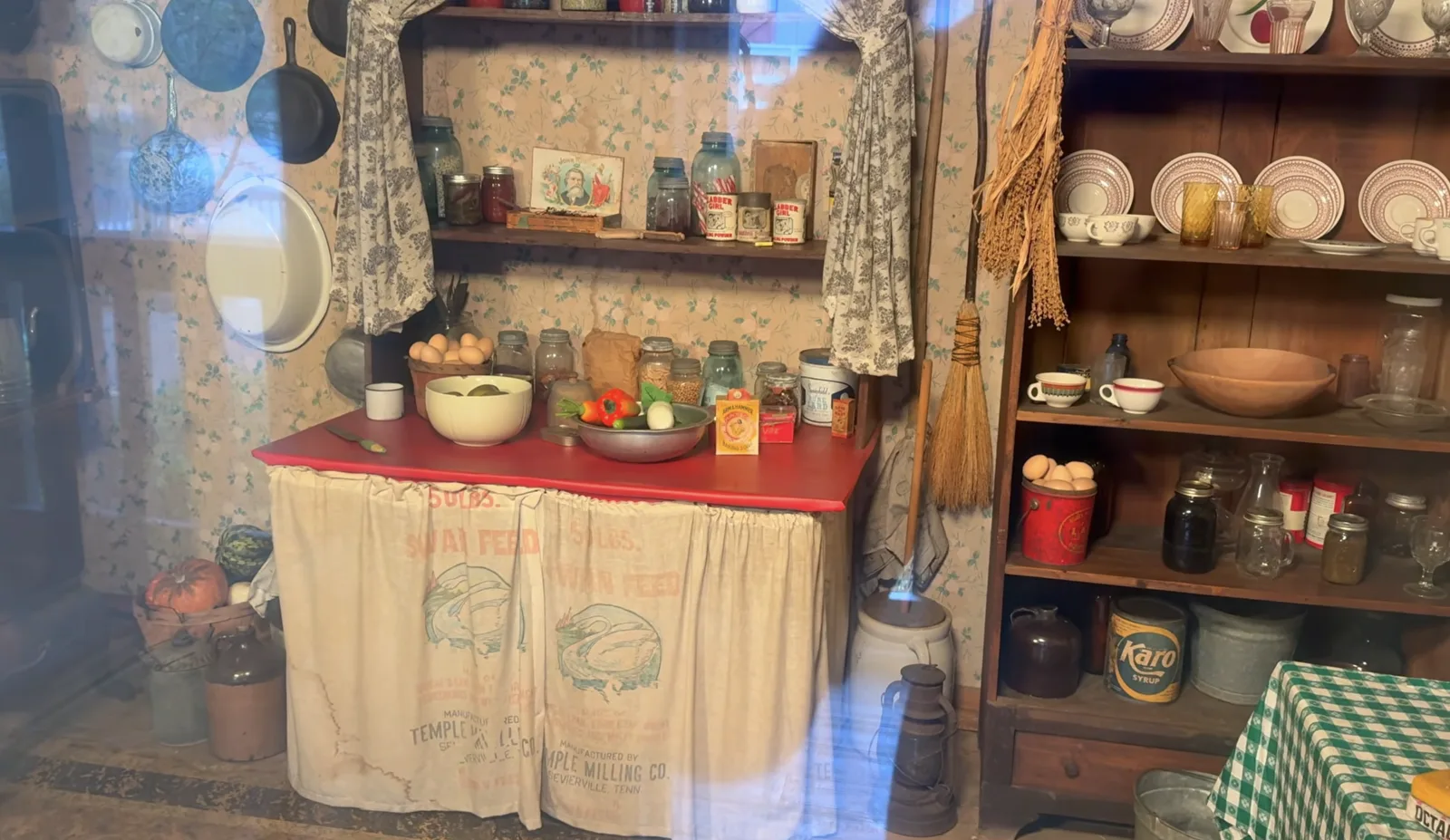
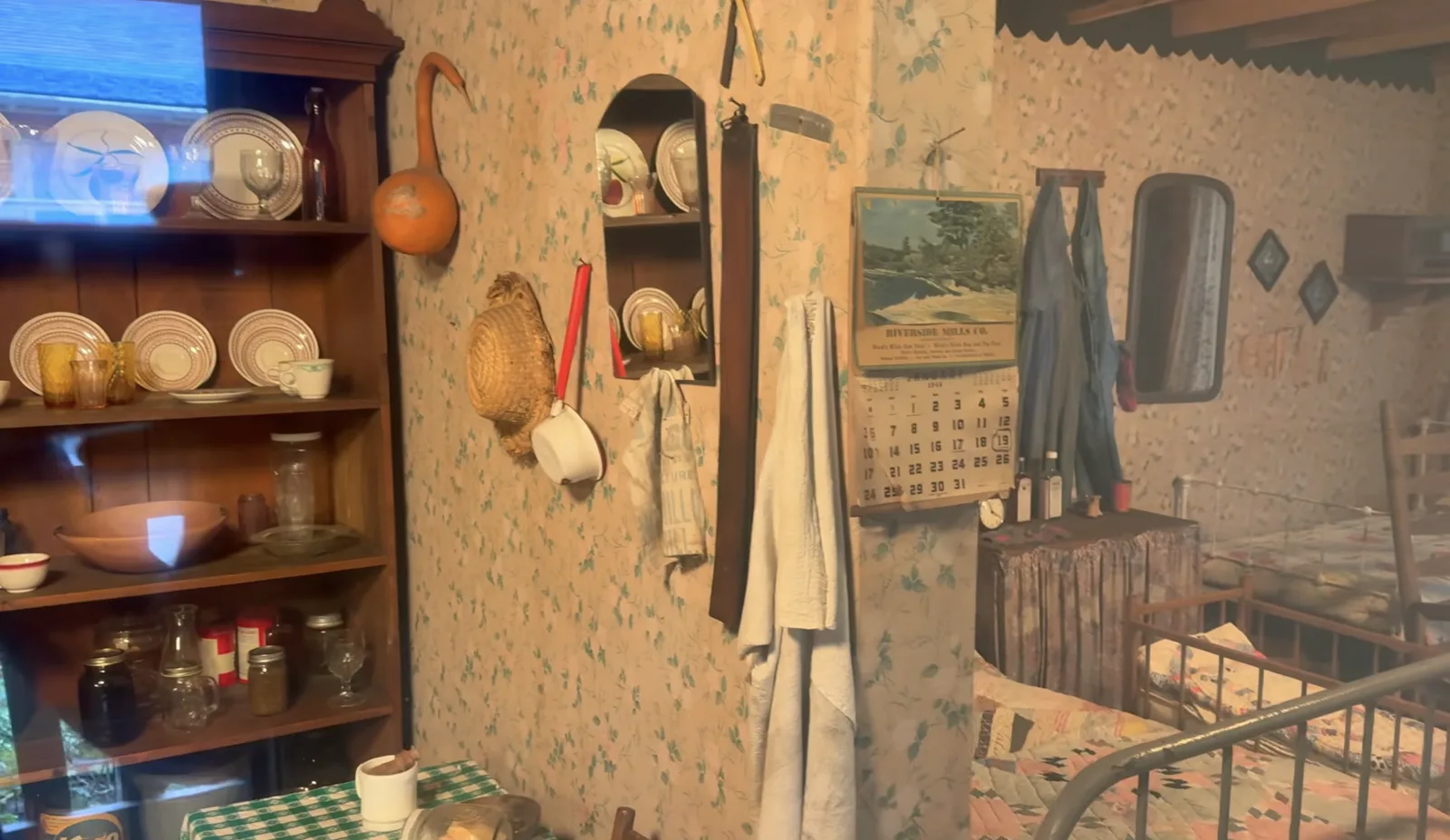
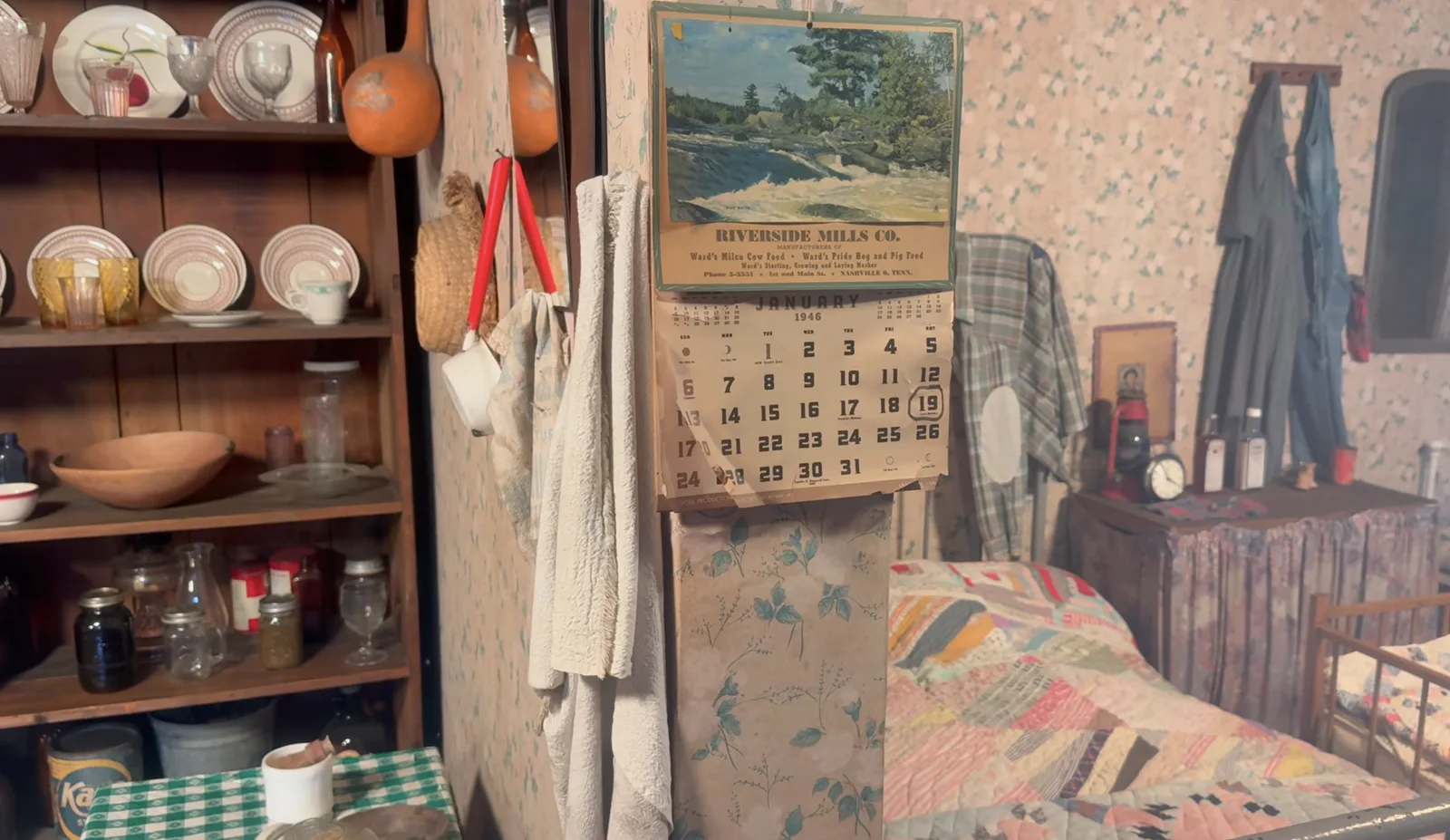
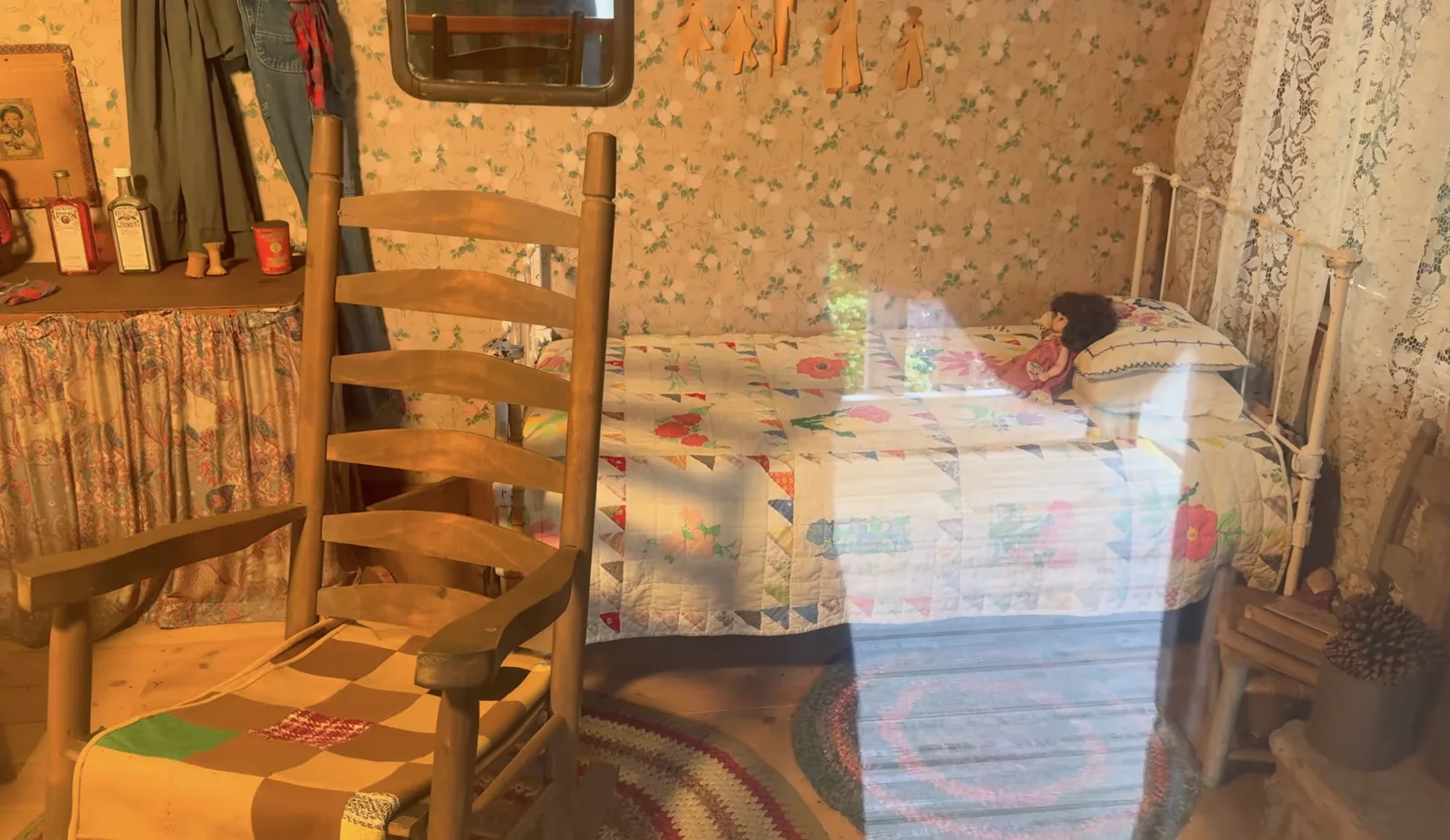
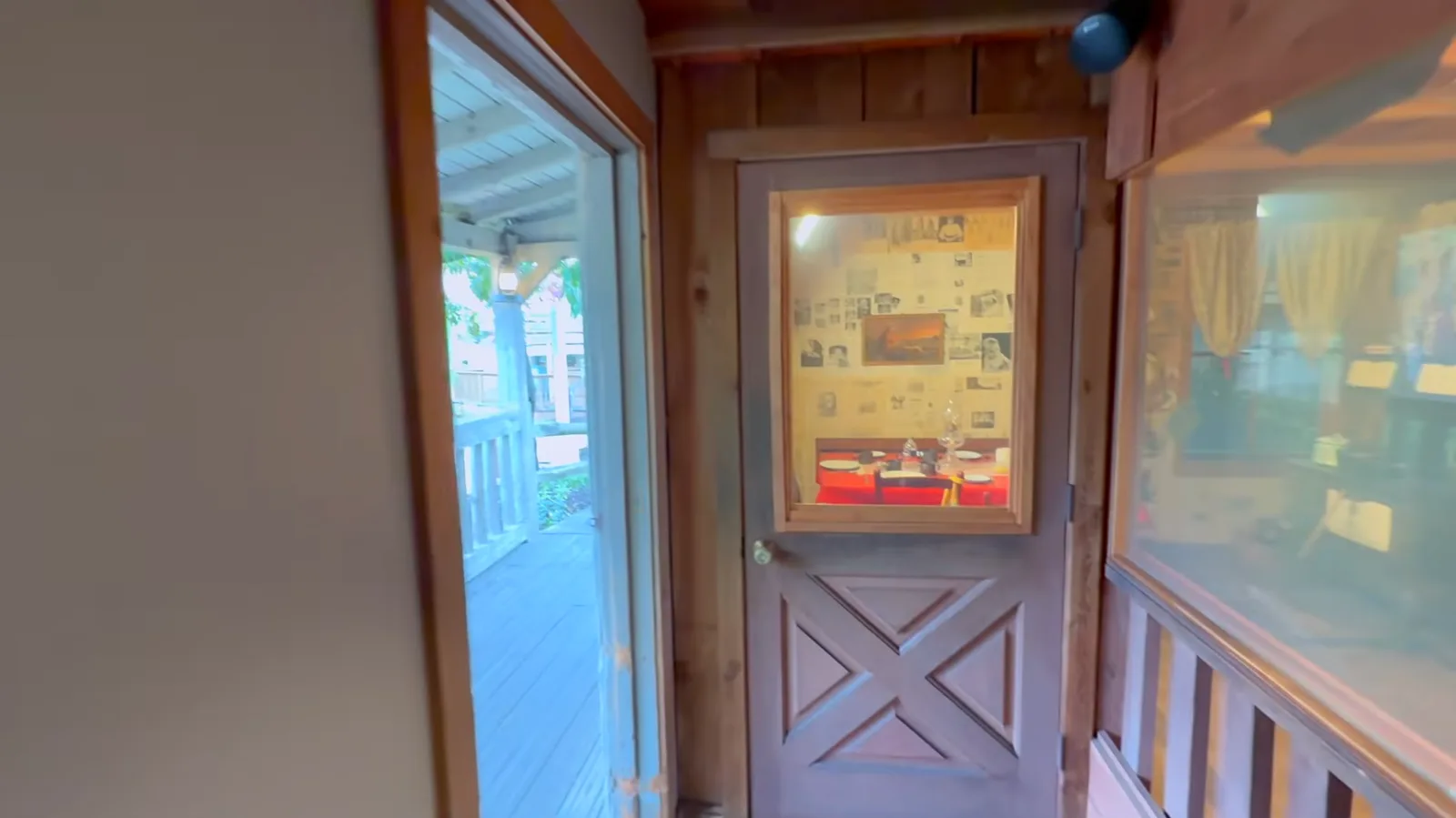
At Dollywood, guests can explore a replica of her childhood home designed to exhibit how her family lived during that time. Her brother Bobby built the replica, with assistance from their mother, Avie Lee, in recreating the interior. A sign there indicates that many items on display are original family heirlooms.
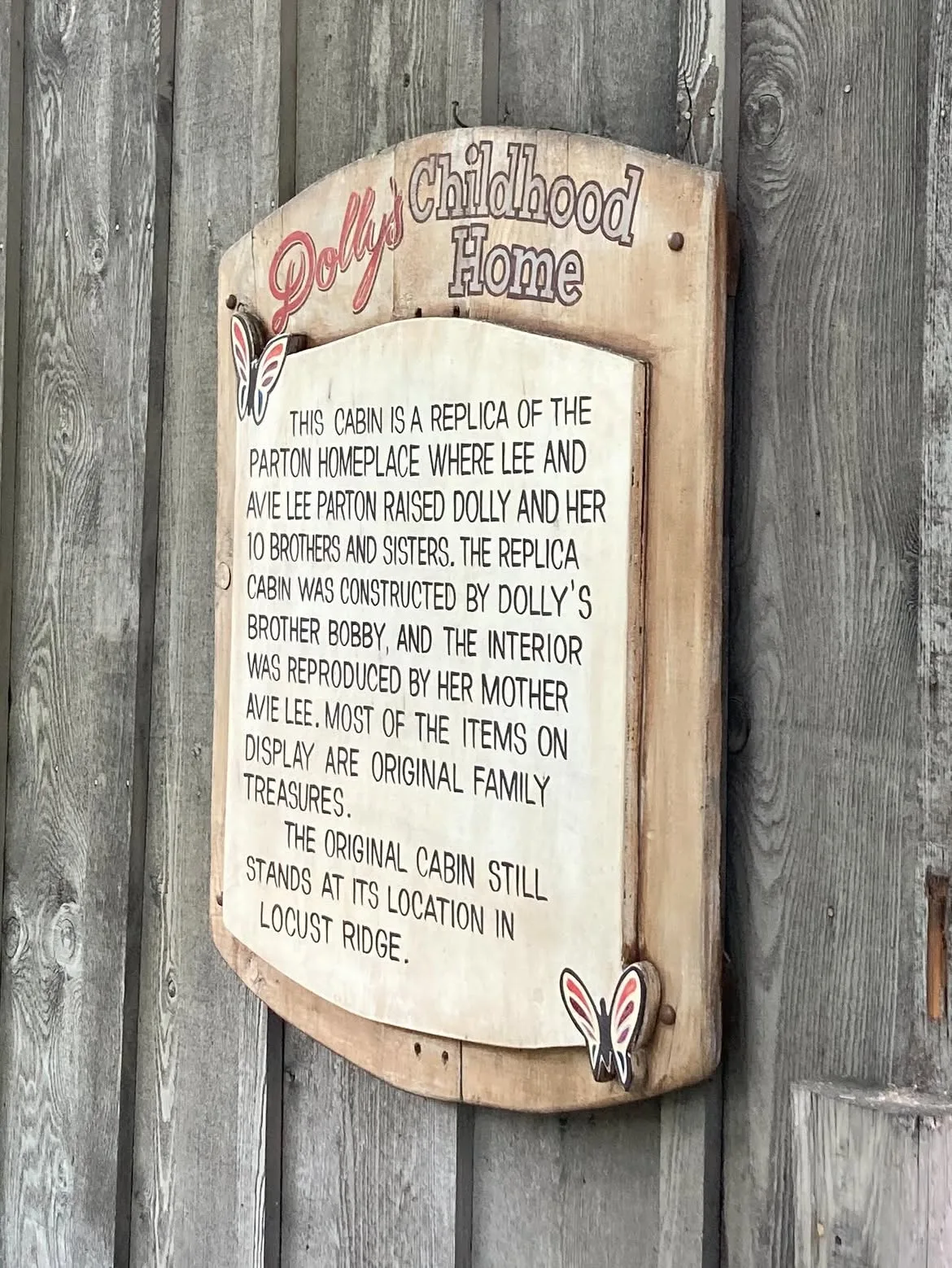
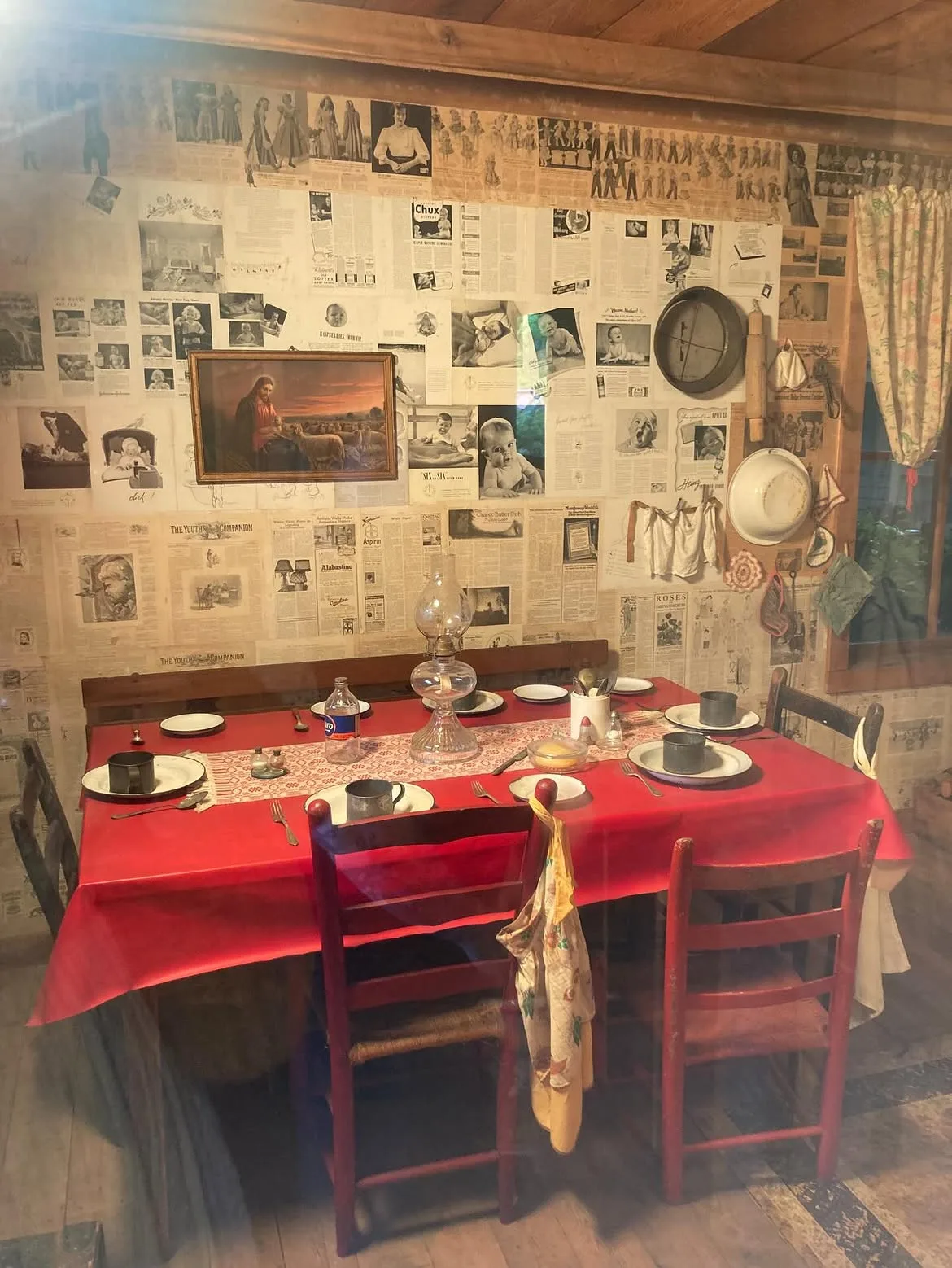
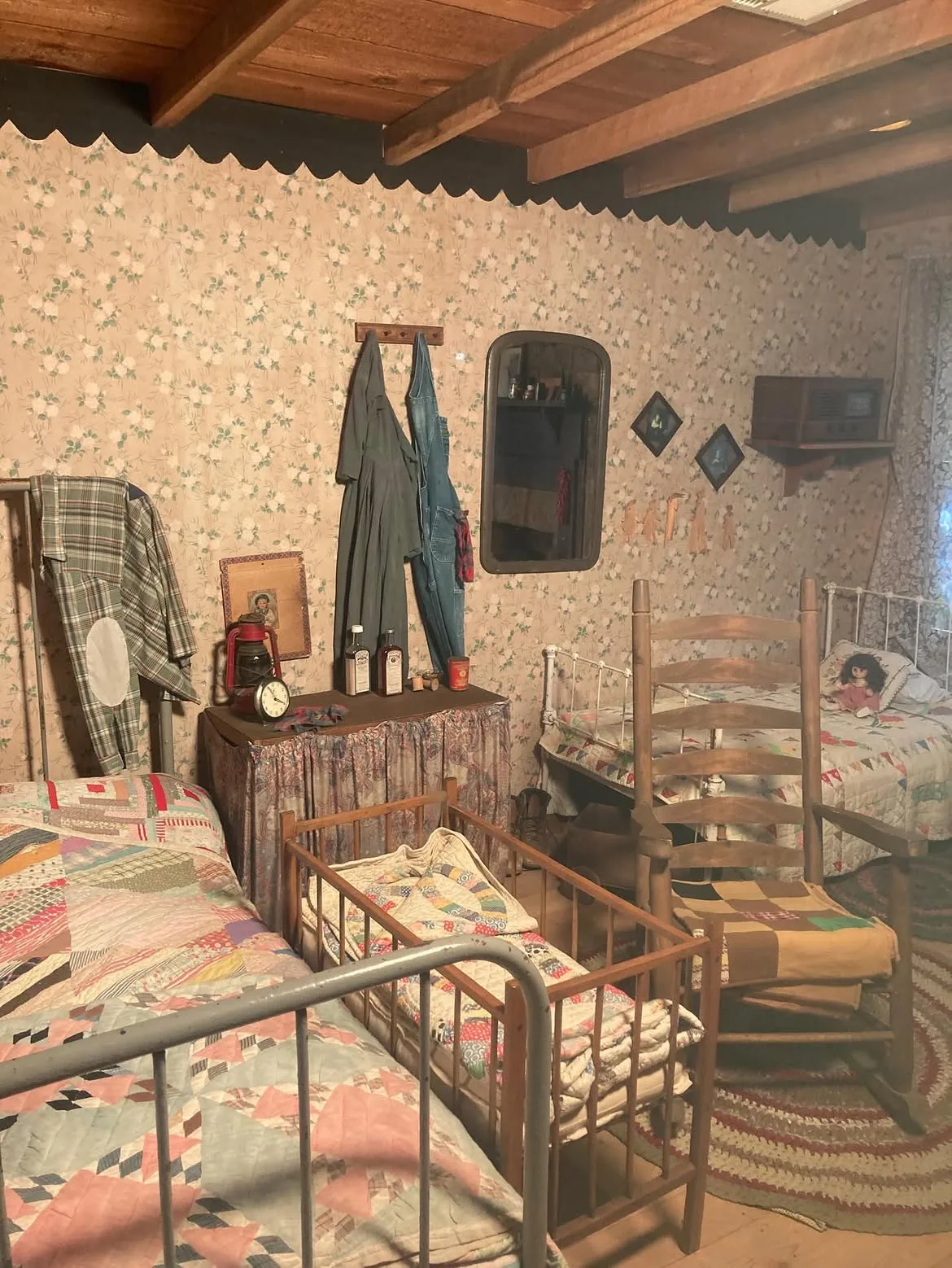
This replica provides visitors with a sense of the family dynamics that photographs alone cannot convey. It reveals how much life was packed into an extraordinarily small space.
Tins and jars line the kitchen, while beds adorned with handmade quilts, basic furniture, cooking tools, and floral-patterned walls depict a home focused on functionality rather than luxury.
Given that Robert Lee and Avie Lee raised Parton along with numerous siblings, the compactness of those rooms stands out as a remarkable detail.
The Mountains Remained with Her
Outside the attraction, a sign captures just how integral her Tennessee roots were to her identity. The message attributed to Parton states, ‘These mountains and my childhood home hold a special place in my heart. They inspire my music and my life.’ This sentiment is closely tied to her subsequent career.
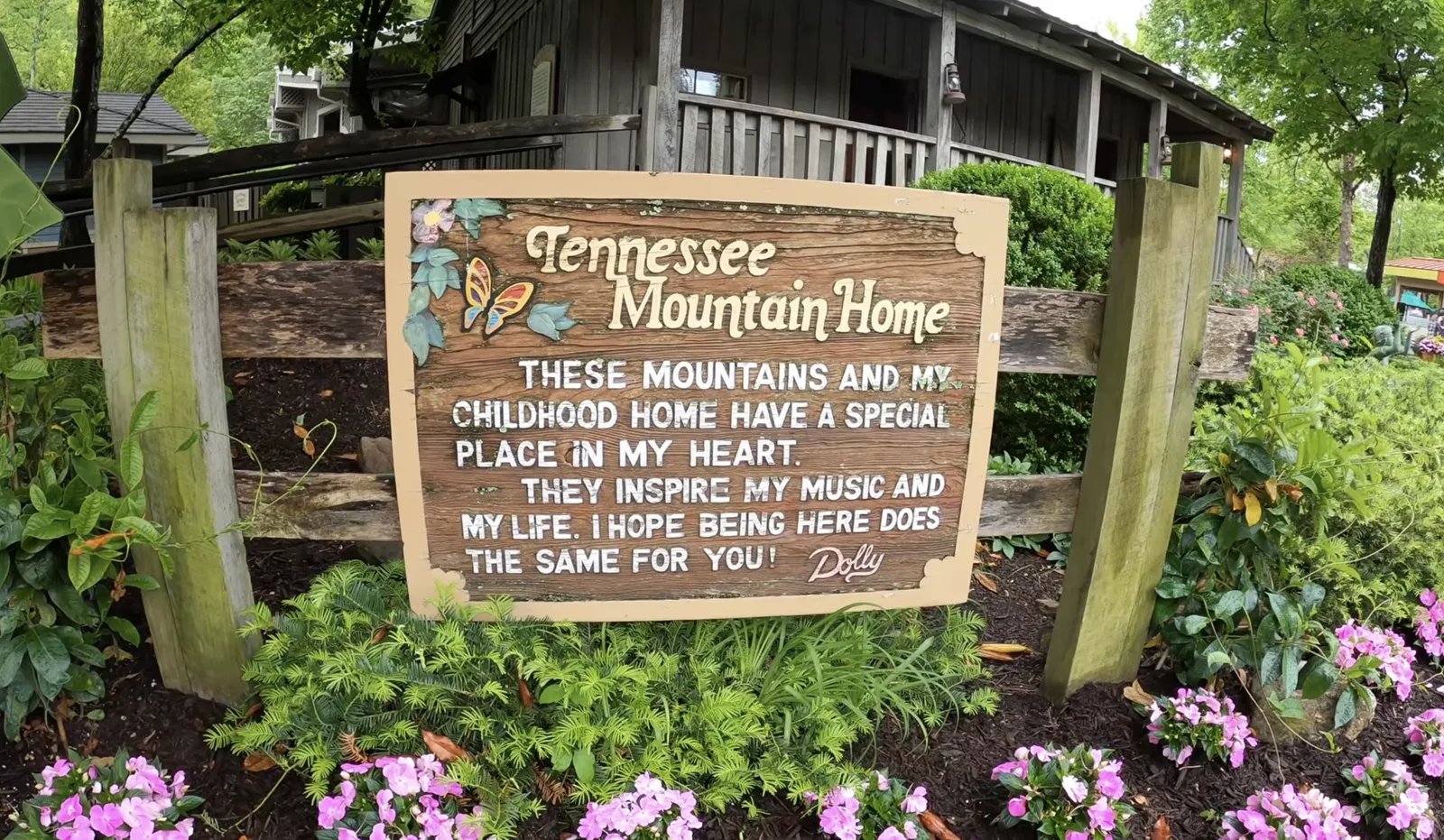
The existing displays offer a uniquely intimate glimpse into her upbringing, revealing the unembellished simplicity of her early life.
Instead of masking the reality, the replica embraces the very aspects Parton openly discussed, such as crowded sleeping areas, handmade items, basic kitchen necessities, repurposed materials, and the ingenuity required of a family with limited financial means. For the girl who would grow up to embody larger-than-life glamour, the contrast couldn’t be more striking.
Parton felt that her true legacy from Locust Ridge was not tied to physical possessions. Her father, Lee, worked tirelessly as a tobacco farmer. Despite being unable to read or write, she regarded him as wise and credited him with instilling a strong work ethic and sense of responsibility in her.
From Avie Lee, Parton believed she gained her spirituality and creativity. "I believe I inherited the best of both my parents," she stated.
This blend helped her overcome obstacles related to poverty, the stereotypes tied to her Appalachian heritage, and the challenges posed by sexism in the entertainment world.
Parton successfully transitioned from country music to pop, conquered Hollywood, established a business empire, and became known for her philanthropy alongside her songwriting and performances. Still, when questioned about whether she had always aspired to be a ‘star,’ her response was characteristically nuanced.
"I don’t know that I always wanted to be a star, but you work so hard to become one," she reflected. However, she understood from her porch performances that she desired to excel in her passion and support those around her.
When reflecting on what she might tell the ten-year-old version of herself holding that tin-can microphone, Parton’s response read almost like a final message to her younger self:
"Girl, be sure you know what you’re wishing for because it’s about to become reality. And you’ll be working your little country butt off."
That little girl did indeed surpass her roots in Locust Ridge. Yet, the cabin remained significant enough for Parton to preserve the original structure, facilitate its story through Dollywood, and continuously share memories of her mountain upbringing even after reaching the extraordinary success she once dreamed of from her porch.
That connection to her past continues even after her death. A representative from Dollywood confirmed that the park will operate following Parton’s passing, fulfilling her wishes.
"Dollywood will be open Wednesday, as Dolly wanted," the park stated, echoing one of her well-known philosophies: "the show must go on." Parton had co-owned Dollywood since 1986, helping it evolve into a vast attraction rooted in the Great Smoky Mountains that shaped her childhood.
In a 2024 interview, she referred to the area as ‘the most perfect place that God has created,’ explaining how Dollywood utilized nature’s offerings to fulfill ever-greater dreams. This concept closely mirrors Parton’s own story.
Long before Dollywood, a successful recording career, acting roles, rhinestones, or worldwide fame existed a little girl on a porch in Locust Ridge, singing her heart out into a handmade microphone, believing the world would one day listen.
The preserved home and its replica illustrate the stark contrast between her humble beginnings and the monumental dreams she ultimately achieved.
Related Posts
-
 Jamal Roberts Delivers an Emotional “Beauty and the Beast” Performance on American Idol Top 5, Leaving Lionel Richie and Carrie Underwood in Tears
-
 A Moment No One Expected: American Idol Performance Turns Into an Emotional Surprise
-
 Neil Patrick Harris Chooses Not to Find Out Which Twin Is Biologically His – Get to Know His 14-Year-Old Kids
-
 Nicole Kidman Shines Bright with Heartfelt Support for Keith Urban at the CMA Awards
About The Author