Dolly Parton Once Revealed the Life-Changing Discovery That Came After Her Surgery — and Why She Never Regretted It
Dolly Parton has crafted an incredibly fulfilling life, yet one deeply personal absence often goes overlooked amid her glittering career, chart-topping hits, and numerous business endeavors. However, there was a significant moment in her life that altered her perspective on motherhood and ultimately influenced the legacy she wishes to leave for children worldwide.
Upon her arrival in Nashville at just 18 years old, Parton quickly began to establish herself in the music scene, eventually becoming one of the most iconic names in country music.
In 1966, shortly after moving to Nashville, she wed Carl Dean. Their bond has remained notably private throughout their nearly sixty years together, as discussed in a 2003 interview with Rolling Stone.
Dean often chose to remain out of the limelight, allowing Parton to pursue her demanding career while he steered clear of public appearances. This arrangement granted her a unique freedom to focus on her career, which required nearly all her energy, and also diverged from the conventional family trajectory many might have anticipated.
As the fourth of twelve children raised in rural Tennessee, Parton was deeply embedded in a large family, which continued to play a significant role in her life. She became known for supporting her nieces and nephews, assisting them with important milestones like graduations and college.
However, there was a more personal reason her family story unfolded differently, something Parton would later discuss in great detail.
In her 2003 interview with Rolling Stone, Parton reflected on a particularly challenging time in her life during the early 1980s. After a near-collapse onstage in Indianapolis, she underwent surgery in 1982 for what she referred to as "female problems and hormonal issues."
These physical challenges were compounded by significant emotional struggles. Parton described feeling depressed, gaining weight, and facing turmoil in her professional life, writing in her notebooks thoughts like, "Why should I commit suicide? I’m waking up dead every day."
Her involvement in the film Rhinestone with Sylvester Stallone eventually helped her rise from that dark place. "Even if the movie wasn’t a hit, it was one of my favorite projects," Parton reflected. "Stallone was so full of life, crazy, and funny, which made me laugh a lot, playing a huge role in my recovery. That movie helped me get back on course."
However, shortly after, she came to an important realization: she would not be able to have children. This revelation could have drastically altered her view of her future.
Yet, Parton gradually began to see this differently. "I just feel that some people aren’t meant to have kids," she stated, explaining how she and Dean came to accept this truth.
"I don’t regret it. My husband doesn’t regret it. He’s like my only child; I’m like his only child. And the older we get, the more grateful we are for not having them now, because we take care of so many other kids. We buy new cars for all the nieces and nephews who graduate, and we support any who want to attend college."
This answer revealed a deeper complexity than mere acceptance. Parton wasn’t suggesting that being childless didn’t matter; rather, she indicated that the life she and Dean had built had become sufficiently fulfilling that they no longer viewed their lack of children as a deficiency.
Parton’s description of Dean as her "only child" carried a playful tone but also highlighted the unique dynamic of their marriage. While Parton worked tirelessly for decades, Dean maintained his independence and largely avoided the trappings of her fame.
This dynamic had been established early in their marriage. In a December 2024 appearance on Bunnie XO’s Dumb Blonde podcast, Parton recounted how she once urged Dean to attend an awards ceremony shortly after their wedding. Although she had arranged for him to wear a tuxedo, his unease was palpable.
"As soon as he walked through the door, he started taking things off," she recalled. At the end of the evening, he made his stance clear: "Look, I want you to pursue everything you want, and I wish you the best, but don’t ever ask me to go to another one of these events because I’m not coming." He truly never did attend another.
Parton noted that Dean wasn’t even keen on dining out for special occasions, so they often opted to celebrate anniversaries by cooking something special together at home instead.
The couple cultivated their own routines and individual interests, which allowed Parton to continue her demanding career without needing to restructure her life around parenting.
As her career flourished, this freedom became increasingly vital. By the time she was interviewed by Rolling Stone, Parton had already spent decades touring, writing thousands of songs, acting in films, and establishing ventures like Dollywood.
She had no intention of slowing down. "I feel like a child," she expressed in the interview. "Honestly, I do. I don’t feel any different than I did when I first walked down these streets in Nashville in 1964." In essence, her life hadn’t become less vibrant due to not having children; it had become incredibly rich in other aspects.
In later discussions, Parton reaffirmed that her acceptance of remaining childless wasn’t just a reaction to her surgery. In a subsequent interview with Saga Magazine, she was directly asked if she regretted not having children after so many years of marriage.
Her response was refreshingly candid: "I haven’t missed it as much as I thought I would," she revealed. She elaborated that while having children was something she and Dean assumed would happen when they were younger, it was never a pressing desire for her.
"When you’re young and married, you think you’ll have kids, but it just wasn’t something that burned within me," she explained. "I had my career, my music, and I was traveling."
Parton understood that motherhood would likely have altered her career’s course significantly. "If I had kids, I’m sure I would have stayed home with them and worried excessively about their well-being," she admitted.
She added another thought that demonstrated her growth in perspective: "Considering everything happening today, I wouldn’t want to bring a child into this world right now."
This was not a statement of regret. Rather, it underscored how secure she had become in the life she had lived, suggesting that an alternate path may not have suited her at all.
In fact, in a 2014 interview with The Guardian, Parton shared that she and Dean had once envisioned the children they might have, contemplating their potential appearances.
"You always wonder," she reflected. "When my husband and I first got married, we discussed what our children might look like. Would they be tall, like him, or shorter like me?"
She even had a name chosen for a girl: Carla. "We dreamed about it, but it just wasn’t meant to be. Now that we’re older, we’re glad it turned out this way." When asked why, Parton succinctly captured the essence of her life:
"I believe I would have been a great mother. I probably would have sacrificed everything else. Because of that guilt, I would have worried about leaving them to work or tour. Everything would have changed. I likely wouldn’t have become a star."
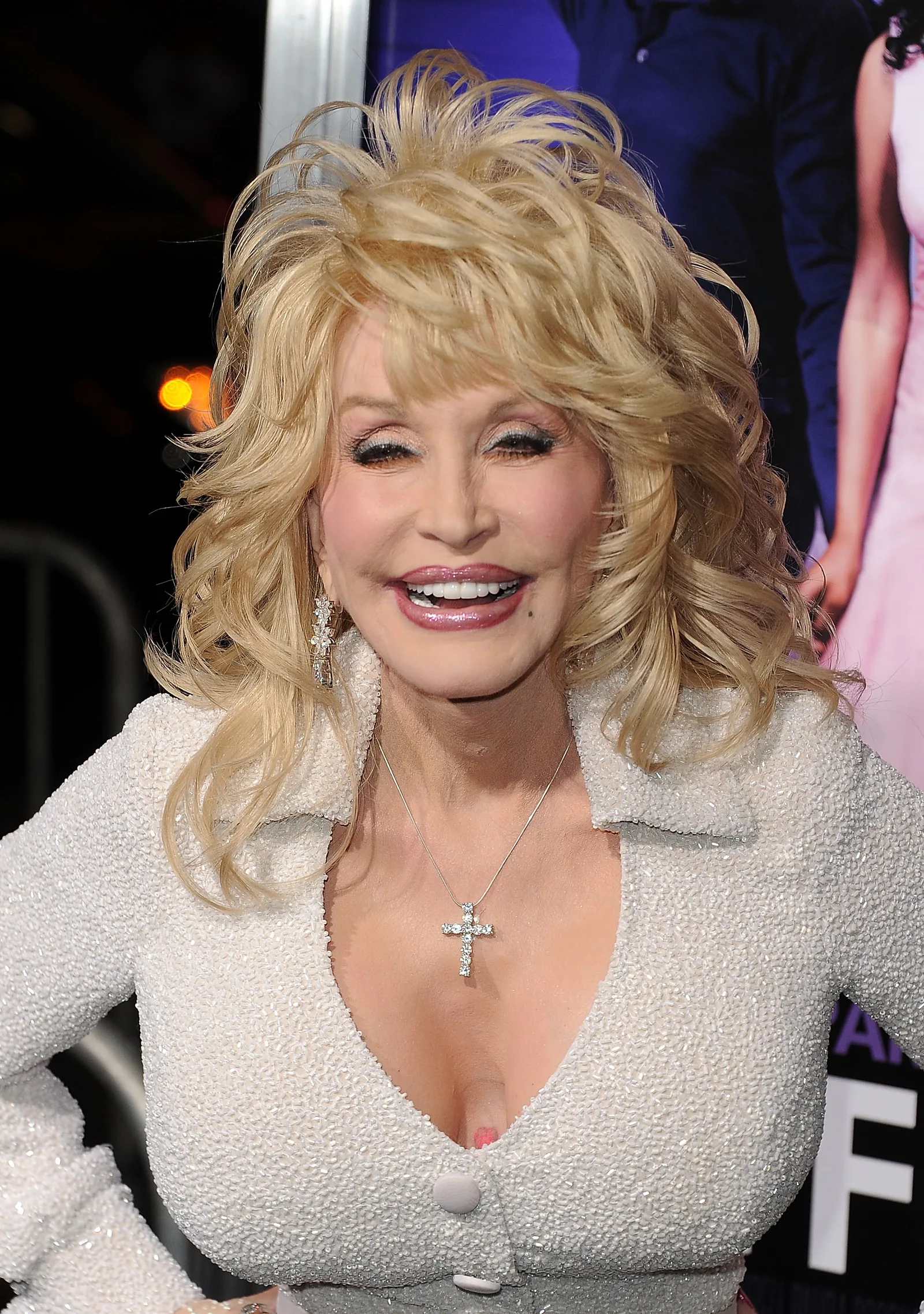
Parton’s philosophy was clearly expressed through one of her most significant philanthropic endeavors. She established the Imagination Library, which developed into a worldwide initiative providing books to young children.
According to the Saga interview, this program has distributed over 300 million books to children globally. Parton succinctly explained its existence: "I always say God didn’t grant me children so that all kids could be mine."
Rather than allowing her identity to be defined by the absence of her own children, Parton expanded her definition of motherhood to include a much broader scope. This concept became even more evident during her later conversation with Oprah Winfrey.
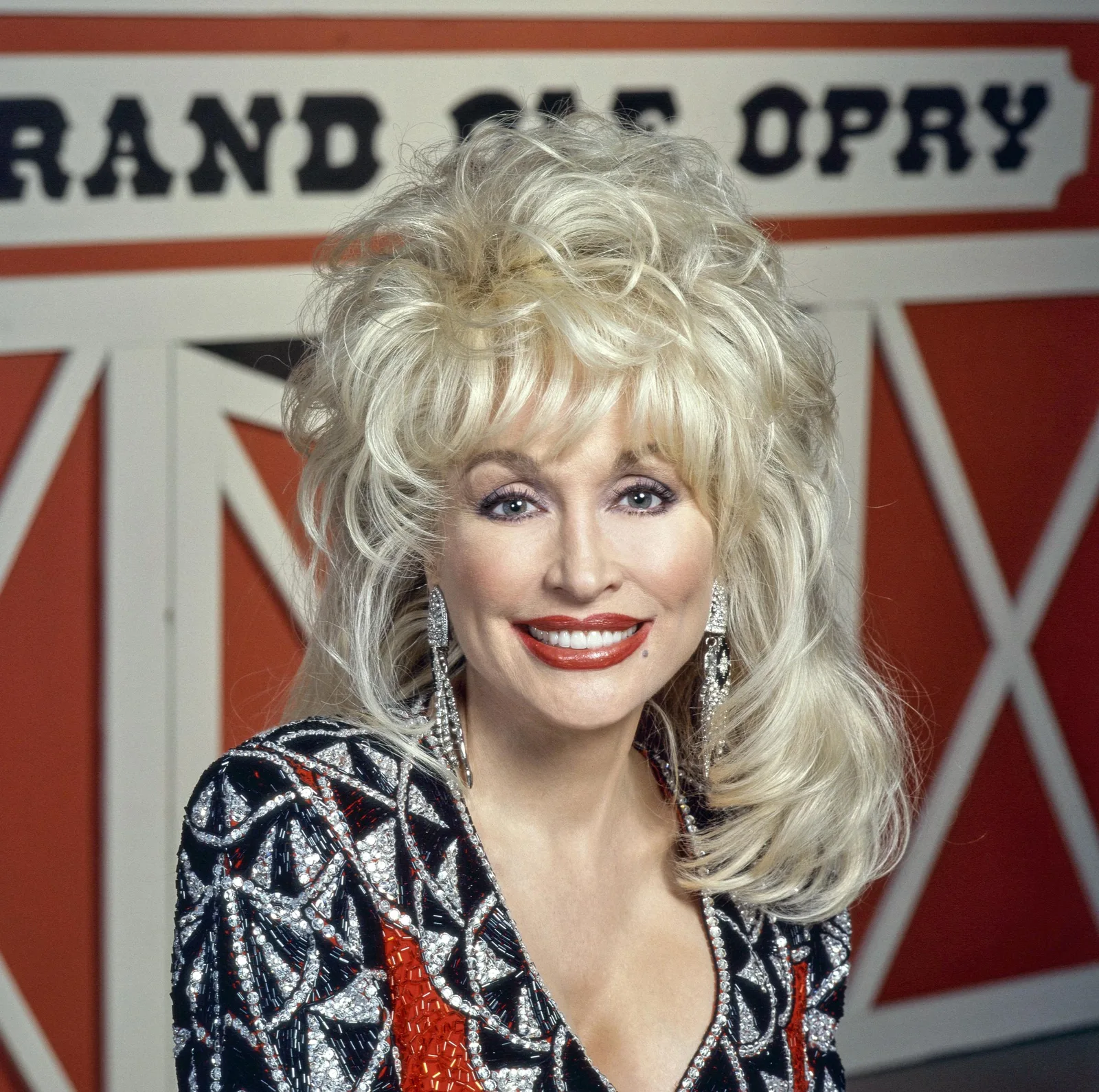
During her time on The Oprah Conversation, Winfrey inquired if becoming Dolly Parton required significant sacrifices. Parton acknowledged this truth: "Absolutely, I’ve made sacrifices, but I feel it’s what I’m meant to do," she replied.
She elaborated on the time she gave up with family and friends, vacations, and the simple pleasures that typically accompany a less hectic life. "It’s work nonstop, 24/7, 365 days a year," she stated.
However, she directly linked those sacrifices to her decision not to have children: "I didn’t have kids because I believe it wasn’t part of God’s plan for me. That way, I could do things like the Imagination Library."
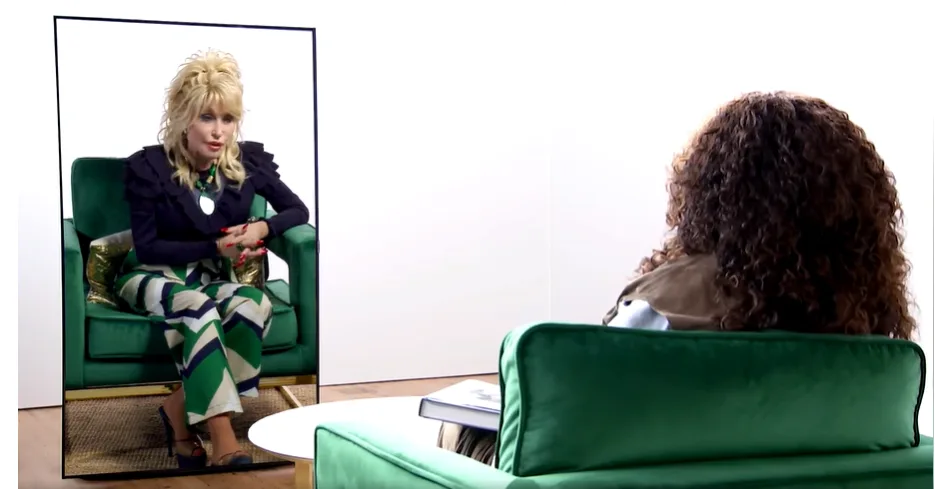
Parton explained that her husband’s independence, combined with their lack of children, provided her with unprecedented freedom. "Since I had no kids, and my husband was quite independent, I had the freedom to pursue my passions," she noted.
She felt this freedom was instrumental to her achievements. "I believe a significant part of my success stems from the fact that I was free to work," Parton remarked, emphasizing that if she hadn’t had this freedom, she wouldn’t have accomplished what she did.
In Parton’s own view, this decision ultimately allowed her to reflect on her life without feelings of regret.
However, in the latter years of her life, a different personal chapter began to unfold—one that would keep her largely away from the limelight and leave fans curious about what was transpiring behind closed doors.
As previously reported, the country legend spent much of her final years out of the spotlight while grappling with serious health issues. Dolly Parton passed away on Tuesday, August 25, 2026, at the age of 80, at Nashville’s Vanderbilt-Ingram Cancer Center.
Her representatives confirmed that her death followed a brief battle with cancer, though the specific type was not disclosed.
In a heartfelt Instagram video, her nephew, Bryan Seaver, announced the news, identifying himself as her head of security for over two decades. He explained that Parton had asked him to record this video years prior, before he fully grasped the reality of her future passing.
Seaver reflected on the moment with both pride and sorrow, noting that the sadness belonged not to Dolly, but to those she left behind.
Parton had been somewhat candid about her health issues related to grief. Following the death of her husband Carl Dean on March 3, 2025, at age 82, she later admitted that the loss had impacted her in ways she hadn’t fully acknowledged.
A report from 2025 noted that Dean had not been seen publicly since December 2019, just over five years before his passing.
Tragedy struck again in July 2026 when her eldest brother, Coy ‘Denver’ Parton, passed away. Merely four days before her own death, Parton gave what would be her final interview, stating to People that she was dealing with some health problems she hadn’t prioritized while caring for Dean.
She minimized the seriousness of her condition, assuring her fans, "It’s not like I haven’t faced health challenges before." She was admitted to the hospital on Friday, August 21, and passed away just four days later.
However, insiders have suggested that the public narrative only scratched the surface of her situation. Reports indicate that Parton had been seriously unwell for months—far longer than originally stated—and had kept the truth hidden from everyone except a small circle.
"She didn’t want the world to know how ill she was," remarked one insider.
Another source indicated that Parton chose to focus the narrative on grief and neglect after Carl’s death rather than revealing the full picture. "While it’s true his passing took a significant toll on Dolly, she had been battling health issues for months," the insider stated.
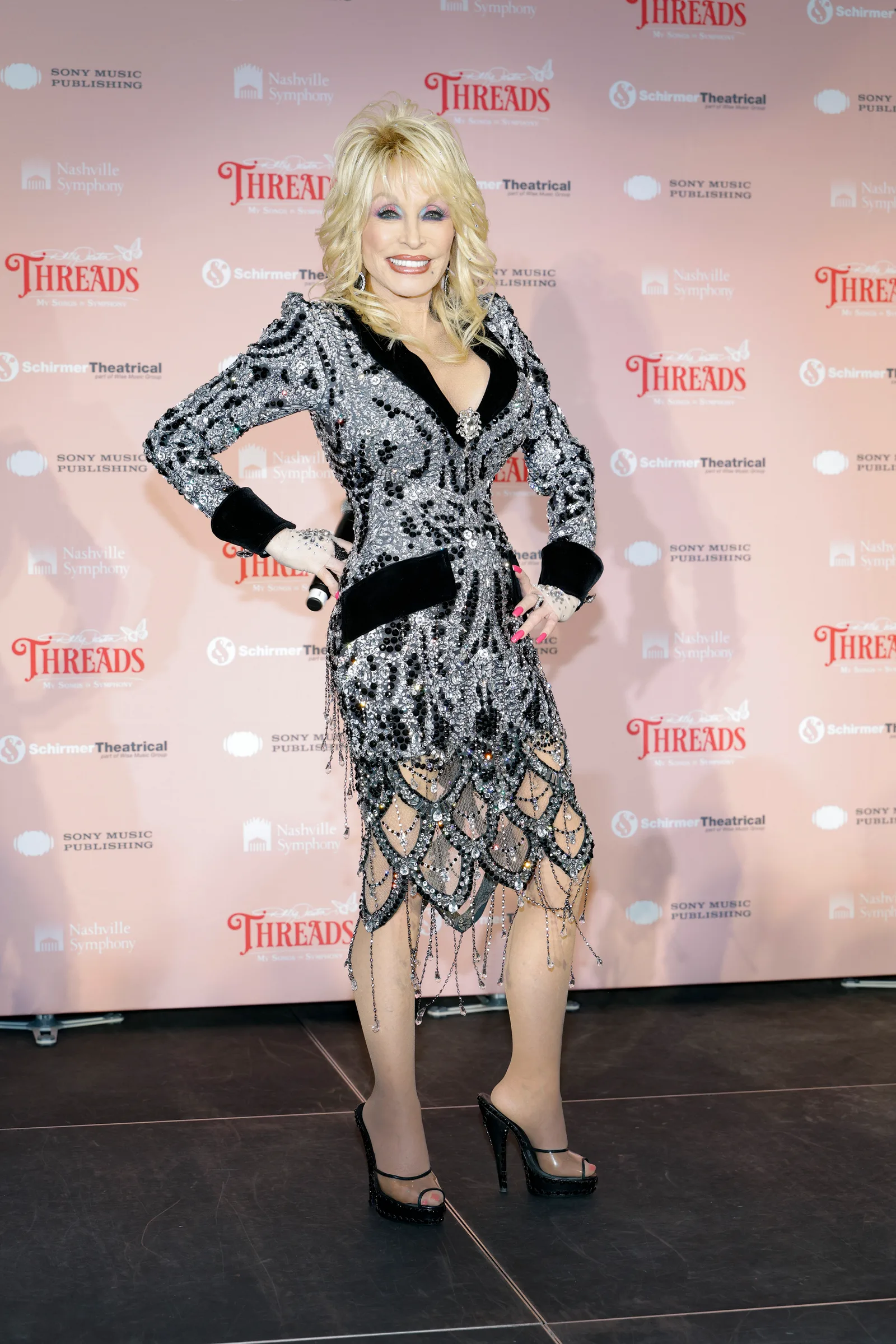
Throughout much of the past year, Parton reportedly seldom left her expansive Tennessee estate. She declined travel, visits, and new projects, choosing to focus exclusively on her health in private.
Rumors circulated regarding a potential cancer diagnosis, but no one would confirm it, even among those closest to her operations.
While publicly attributing her absences to manageable issues such as dehydration and kidney stones, sources indicated that her condition was significantly more severe than that. "We understood it was much more serious, but it was always ‘shhhh, don’t ask’ within her circle," one source revealed.
Even as her health deteriorated, Dolly Parton continued to share polished updates on social media, exuding an aura of reassurance. However, insiders suggested this was part of a significant effort to maintain her image.
"She relied significantly on makeup and lighting to present herself well," shared one contact. "It was a top priority for her."
Sources indicate that Parton was fully aware of the gravity of her condition, even while trying to convince her fans she was on the mend. "She aimed to comfort her fans, but she knew her time was limited," one insider mentioned. "She was determined to keep up her brave Dolly persona and not let her fans down."
In May, she canceled her upcoming Las Vegas residency, addressing the decision in a video while appearing fully made up. She had also missed a concert meant to celebrate her 80th birthday at the Grand Ole Opry, as well as a planned appearance at Dollywood.
Parton’s final public appearance occurred on June 24, when she surprised fans at the ribbon-cutting ceremony for her new Dolly’s Tennessean Travel Stop in Cornersville, Tennessee, which features her merchandise and "Ambition Coffee," named after her hit song "9 to 5."
"She genuinely tried to be brave during that event," an insider remarked, "but she was too ill to do much more." Following that, she quietly declined most invitations in the subsequent months.
Related Posts
-
 Susan Boyle Speaks Out: “Fame Took a Toll on Me” – Her Journey from Breakdown to Triumphant Comeback
-
 Calista Flockhart Attends Gala with Natural Look at 60, Sparking Public Conversation
-
 A Legendary Moment: Reba McEntire and Dolly Parton Share the Stage for the First Time
-
 Toby Keith Pays Tribute to Johnny Rodriguez with Soulful Cover of “I Couldn’t Be Me Without You”
About The Author