Before Marty Robbins Became a Country Music Legend, He Was a Young Arizona Veteran Chasing a Dream Alongside the Woman Who Believed in Him From the Beginning
Long before his name became permanently connected to classic country music history, Marty Robbins was simply a young man from Arizona trying to build a future after serving his country during World War II. Decades before sold-out concerts, Grammy Awards, and legendary songs like El Paso and Big Iron, Robbins was working ordinary jobs while quietly pursuing a music career that few could have predicted would eventually make him one of the most influential country artists of his generation.
For many fans, the story of Marty Robbins is not only about success in music, but also about perseverance, family, loyalty, and the woman who stood beside him through every uncertain chapter before fame arrived.
Marty Robbins’ Early Life Before Country Music Fame
Marty Robbins was born Martin David Robinson on September 26, 1925, in Glendale, Arizona. Growing up during the Great Depression, Robbins experienced financial hardship early in life. His childhood was shaped by difficult circumstances, but music would eventually become an important source of inspiration and direction.
After leaving school at a young age, Robbins worked various labor jobs to help support himself and his family. However, his life changed dramatically during World War II when he joined the United States Navy.
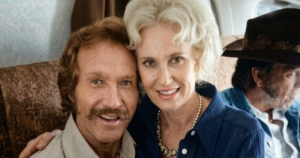
While stationed in the Pacific during the war, Robbins discovered a deep love for music. During his time in the military, he taught himself how to play guitar and began writing songs. Those experiences helped lay the foundation for the musical storytelling style that would later define his career.
Years later, Robbins often credited his time in the Navy with helping him develop both discipline and confidence as a songwriter and performer.
Returning Home and Starting From Nothing
After returning to Arizona following the war, Marty Robbins faced the challenge of rebuilding his civilian life from scratch. Like many veterans during that era, he worked multiple ordinary jobs while trying to find stability.
He reportedly drove trucks, worked labor positions, and performed various manual jobs around the Phoenix area while continuing to pursue music during evenings and weekends.
At night, Robbins performed at small clubs, local dance halls, and radio programs throughout Arizona. The crowds were modest, and success remained uncertain, but he continued developing his skills and building a local reputation as a talented singer and guitarist.
During this period, he also met the woman who would become one of the most important figures in his life.
Meeting Marizona Baldwin
In the late 1940s, Marty met Marizona Baldwin in Glendale, Arizona. The two quickly formed a close relationship and eventually married on September 27, 1948.
At the time, Robbins had not yet achieved any major success in the music industry. There were no guarantees that performing would ever become a stable career or financial future.
Despite those uncertainties, Marizona supported Marty throughout the difficult years when he was still trying to establish himself as an artist.
Their relationship would later become one of the quiet but enduring love stories connected to classic country music history.
Together, they built a family and raised two children, Ronny and Janet, while Marty slowly worked toward larger opportunities in country music.
The Slow Rise Toward Nashville Success
Throughout the early 1950s, Robbins’ talent gradually began attracting wider attention. His growing popularity on local radio and regional performances eventually opened the door to larger opportunities.
As his reputation expanded, Robbins moved closer to the national country music scene and eventually became associated with Nashville and the legendary Grand Ole Opry.
His unique voice, emotional delivery, and storytelling style quickly helped him stand out among other country performers of the era.
Over time, Marty Robbins became known for blending traditional country music with western ballads and narrative songwriting that painted vivid pictures through lyrics.
Classic Songs That Defined Marty Robbins’ Career
Over the following decades, Marty Robbins recorded many songs that became permanent parts of American country music history.
Among his best-known recordings were:
- El Paso
- Big Iron
- A White Sport Coat
- Devil Woman
- My Woman, My Woman, My Wife
His 1959 hit El Paso became especially significant, earning Robbins a Grammy Award and helping establish western storytelling songs as a major part of mainstream country music.
The dramatic ballad showcased his ability to create cinematic narratives through music, something that would become one of his trademarks throughout his career.
Meanwhile, Big Iron later developed an entirely new generation of fans decades after its original release, becoming one of the most recognizable western songs in country music history.
A Personal Tribute to His Wife
One of the most emotional moments of Robbins’ career came in 1970 with the release of My Woman, My Woman, My Wife.
The song served as a heartfelt tribute to Marizona and reflected the loyalty and support she had provided throughout their marriage.
The lyrics focused on gratitude for a devoted wife who remained strong through hardship, sacrifice, and years of uncertainty.
The song resonated deeply with audiences and became one of the biggest hits of Robbins’ career.
It eventually reached No. 1 on the country charts and later earned the Grammy Award for Best Country Song in 1971.
For many listeners, the song represented more than just another successful single — it offered a glimpse into the personal relationship that had helped support Robbins throughout his journey to stardom.
Health Struggles Behind the Fame
Despite his enormous success, Robbins also faced serious health issues during the height of his career.
Around the same period that My Woman, My Woman, My Wife became a major hit, Robbins underwent serious heart surgery after years of heart-related problems.
His heart condition would continue affecting him for the remainder of his life, forcing him to manage ongoing medical concerns while still maintaining a demanding touring and recording schedule.
Even with those challenges, Robbins remained active in country music for many years afterward, continuing to perform and release new material for fans across the country.
Friends and colleagues often described him as deeply dedicated to both his music and his audience despite the physical difficulties he faced.
A Marriage That Lasted Through Fame and Pressure
As Marty Robbins became one of country music’s biggest stars, his marriage to Marizona remained remarkably grounded.
Those closest to the family often described their relationship as loyal, stable, and deeply supportive.
Unlike many celebrity relationships shaped entirely by fame, Marizona had known Marty long before the success, awards, and national recognition arrived.
She experienced the years of uncertainty, financial struggle, and hard work that existed before the spotlight ever appeared.
That long history together became one of the reasons many fans viewed their marriage as genuine and enduring.
Marty Robbins’ Lasting Legacy
Marty Robbins passed away on December 8, 1982, at the age of 57 following complications related to heart surgery.
Although his life ended far too early, his influence on country music remains enormous decades later.
His storytelling style, western ballads, emotional vocals, and songwriting continue inspiring country artists and musicians across multiple generations.
Songs like El Paso and Big Iron remain widely celebrated, while My Woman, My Woman, My Wife continues standing as one of country music’s most heartfelt tributes to love and loyalty.
For many longtime fans, Marty Robbins’ story still resonates not only because of the music itself, but because it reflects the journey of a young Arizona veteran who spent years chasing a dream — supported all along by the woman who believed in him before the rest of the world ever did.
Related Posts
-
 School Employee Dies After Being ‘Kicked in the Chest’ by 14-Year-Old Student
-
 Leonardo DiCaprio’s Last Message to Jane Goodall Was ‘You Are My Hero’: ‘She Inspired Millions to Care, to Act and to Hope’
-
 Neighbor Describes Crime Scene After Savannah Guthrie’s Mother Nancy Guthrie Suddenly Disappears
-
 Iditarod 2026 Winner Could Receive Bigger Prize as Race Purse Increases
About The Author