Denise Richards Look Then vs. Now: The Actress Has Been Candid About Her Cosmetic Work, and AI-Generated Images Imagine a Surprising Alternate Timeline
For many years, Denise Richards held a firm stance concerning the aspect of her appearance most associated with her fame. However, a significant change in her perspective ultimately led to an unanticipated recovery and the disclosure of her secrets.
Denise Richards has spent close to three decades witnessing her face become a well-known subject, captured in film stills, glamorous red-carpet shots, and reality TV. The most surprising aspect of this visual journey is found at the end, where her genuine surgical changes collide with a wholly imagined future.
Take a look at Richards’ evolving appearance from her initial rise to fame to her current self, and explore how artificial intelligence envisions her aging at ages 55, 60, 65, 70, 75, and 80 had she opted against facial surgery.
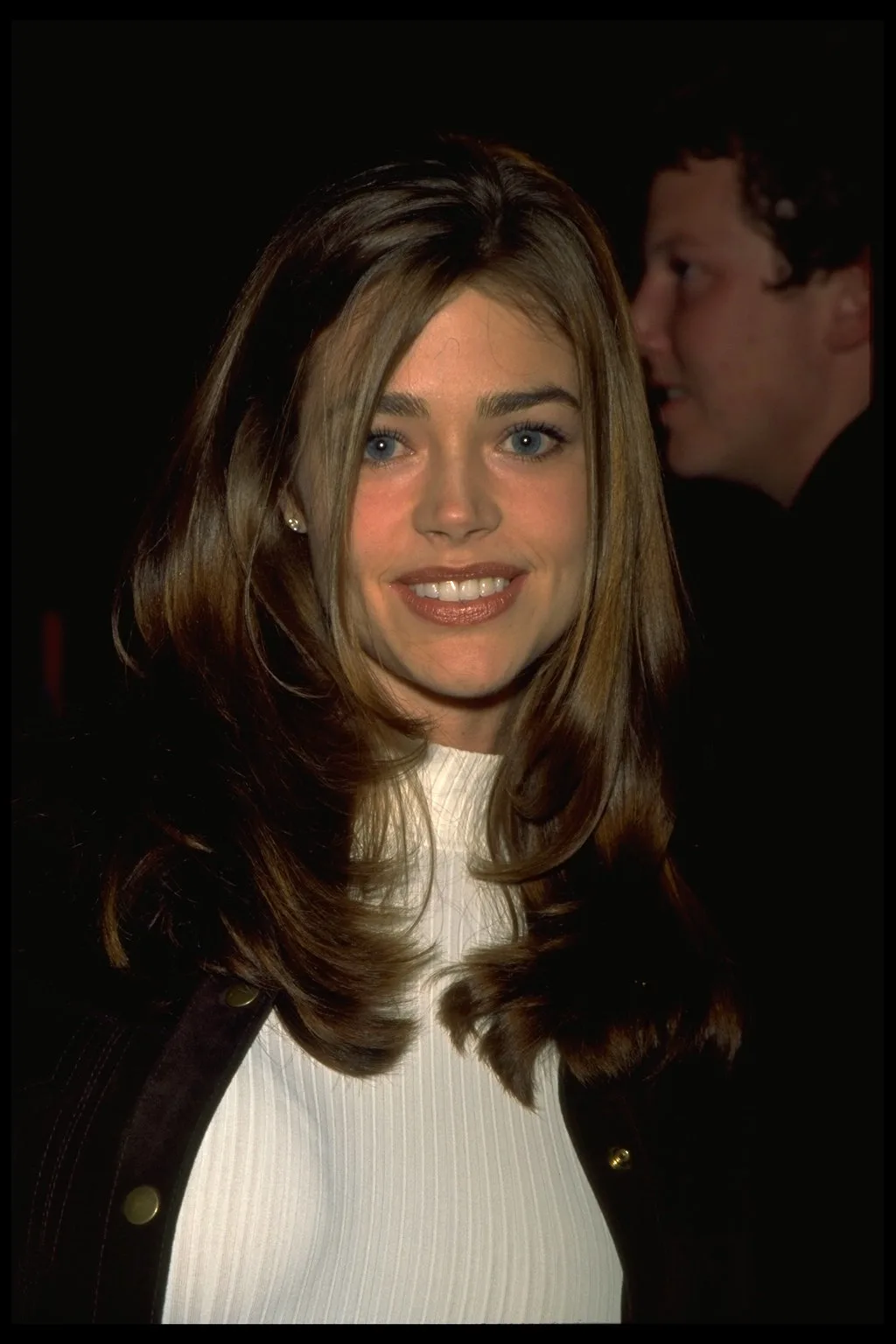
Before becoming an actress, Richards began her journey as a model, eventually rising to prominence as one of the most recognized celebrities of the late ’90s.
Her filmography includes notable titles like ‘Starship Troopers,’ ‘Wild Things,’ ‘The World Is Not Enough,’ ‘Undercover Brother,’ and ‘Scary Movie 3,’ as well as guest spots on series such as ‘Seinfeld,’ ‘Beverly Hills, 90210,’ ‘Saved by the Bell,’ and ‘Melrose Place.’
Richards’ transformation was not the result of a single dramatic change; rather, it evolved over time, influenced by shifting beauty standards, motherhood, personal relationships, life challenges, minimal injectable treatments, and ultimately, a significant surgical procedure she once vowed she would never pursue.
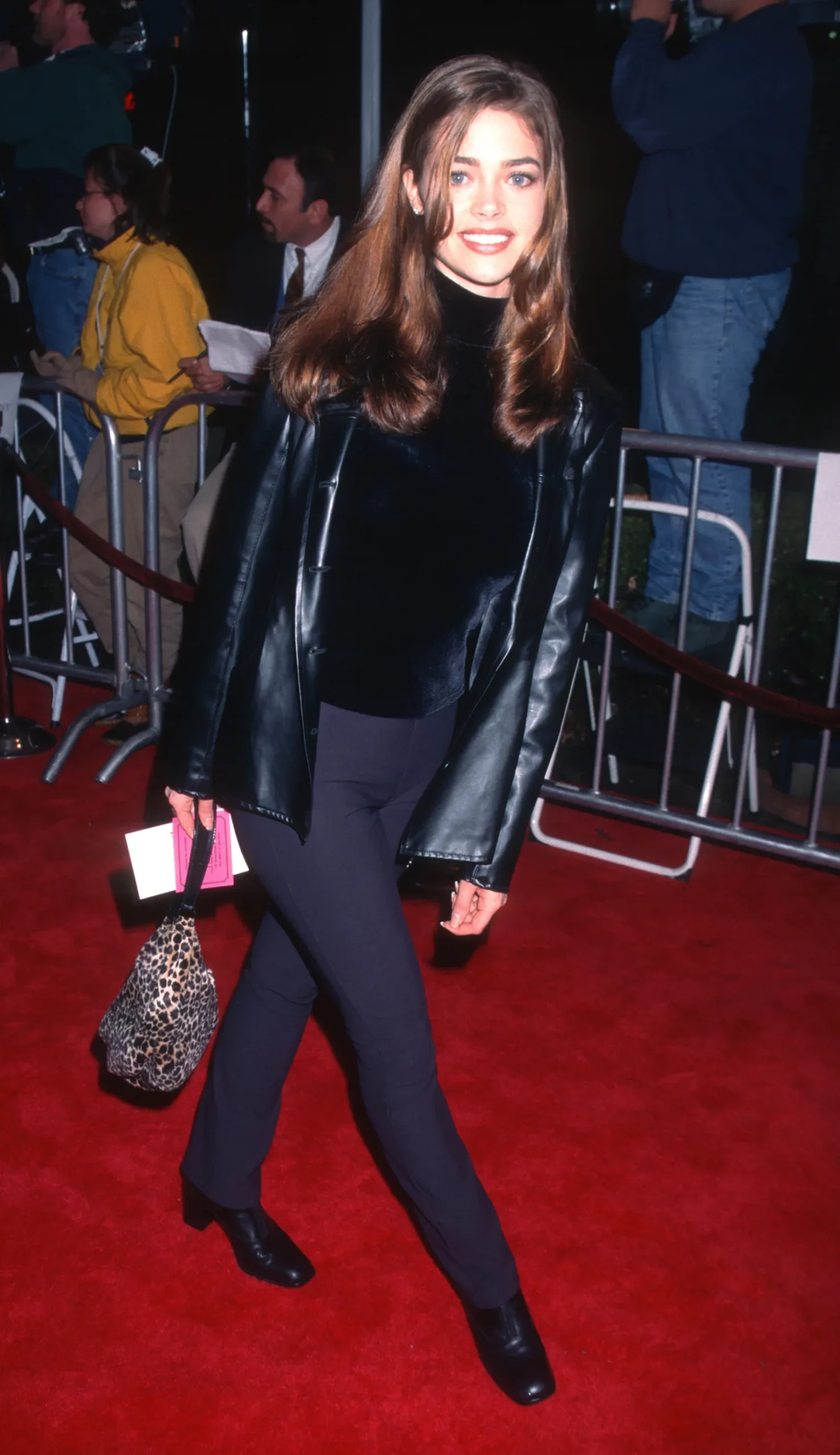
Career Highlights in 1997
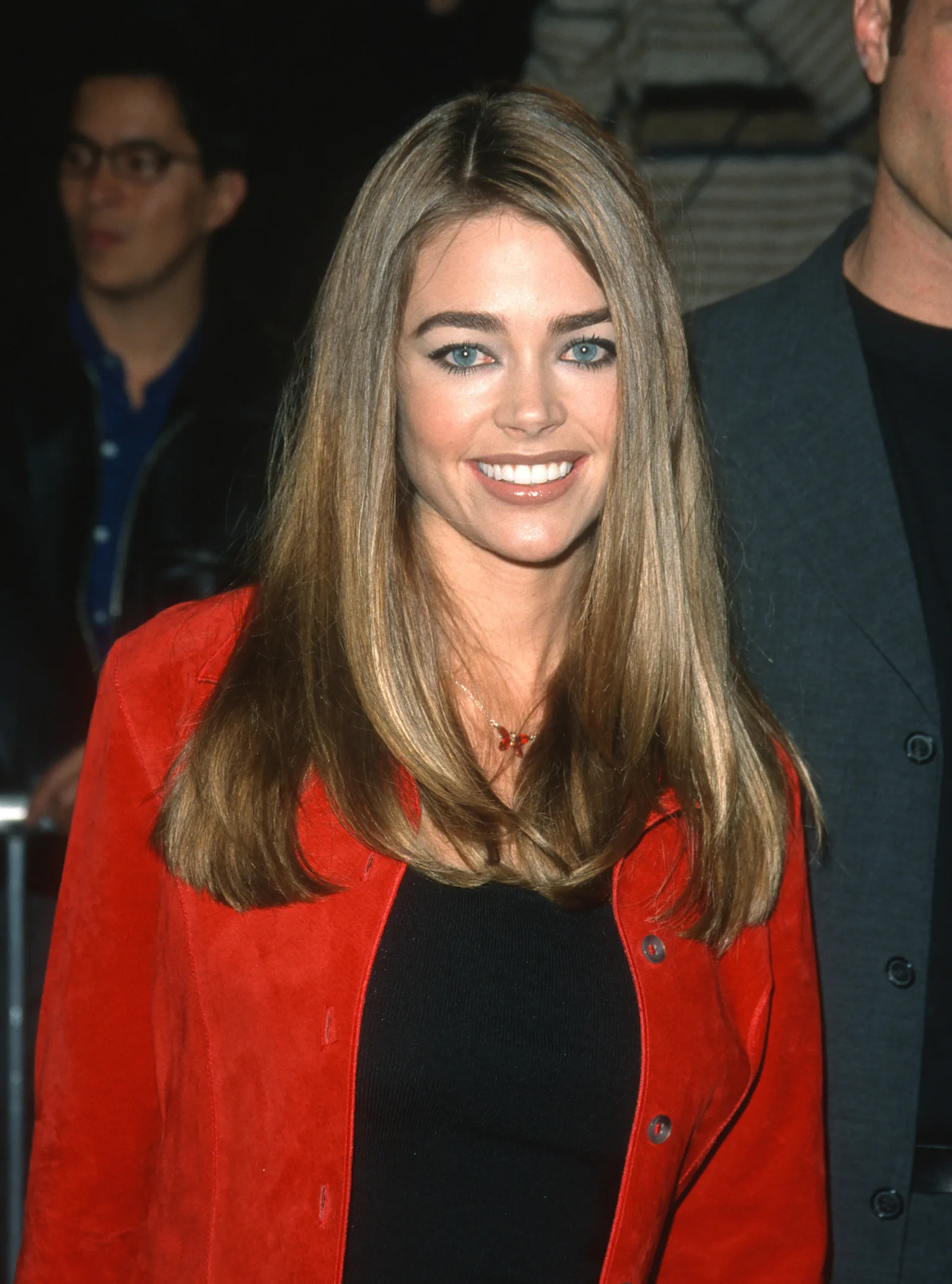
In 1997, Richards entered a pivotal phase in her career with the release of ‘Starship Troopers,’ which broadened her audience considerably. The youthful face captured during this period would remain a familiar sight for viewers many years later.
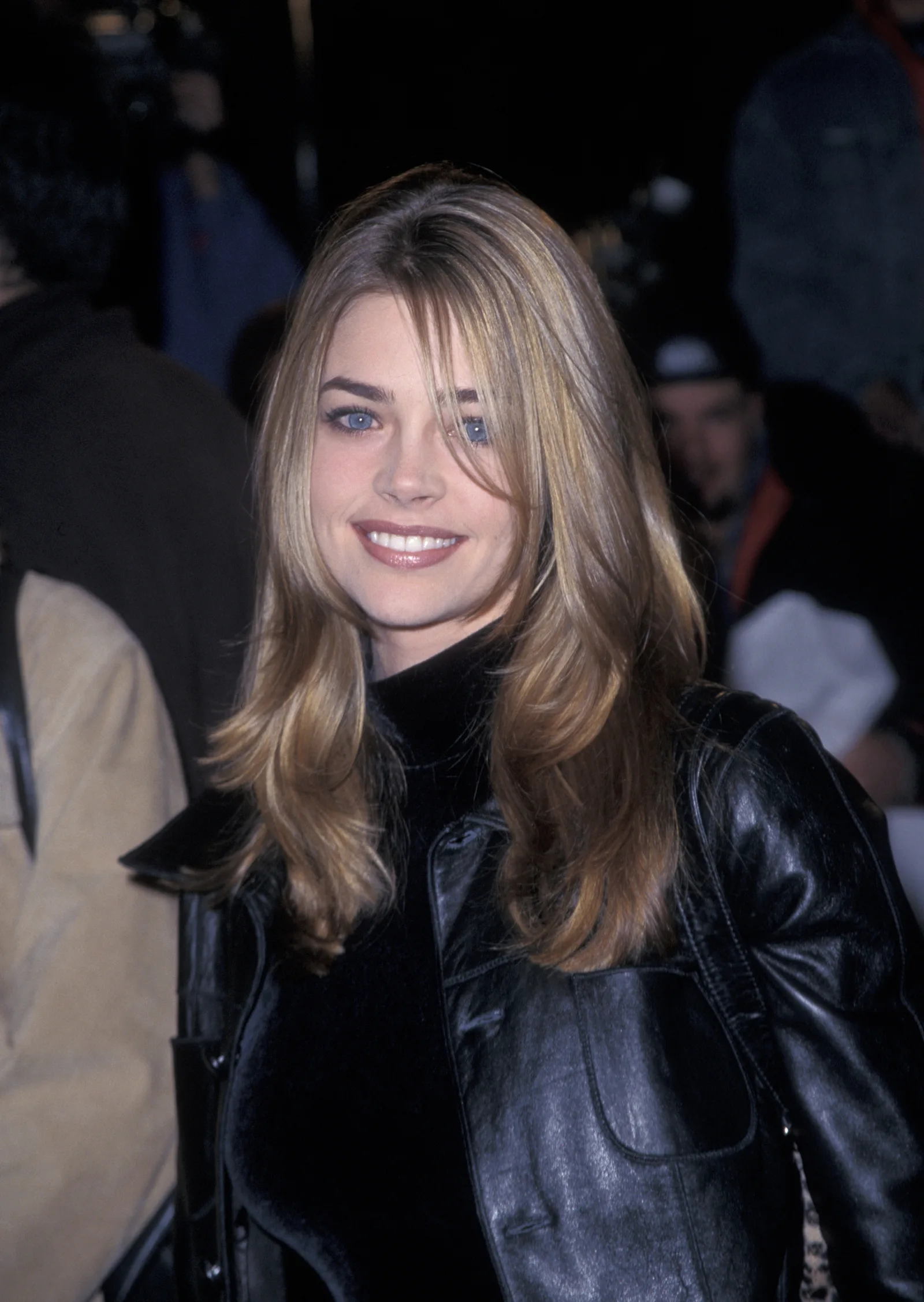
Increased Fame in 1998
The debut of ‘Wild Things’ in 1998 further enhanced Richards’ visibility and solidified her reputation as one of the most prominent actresses of the decade.
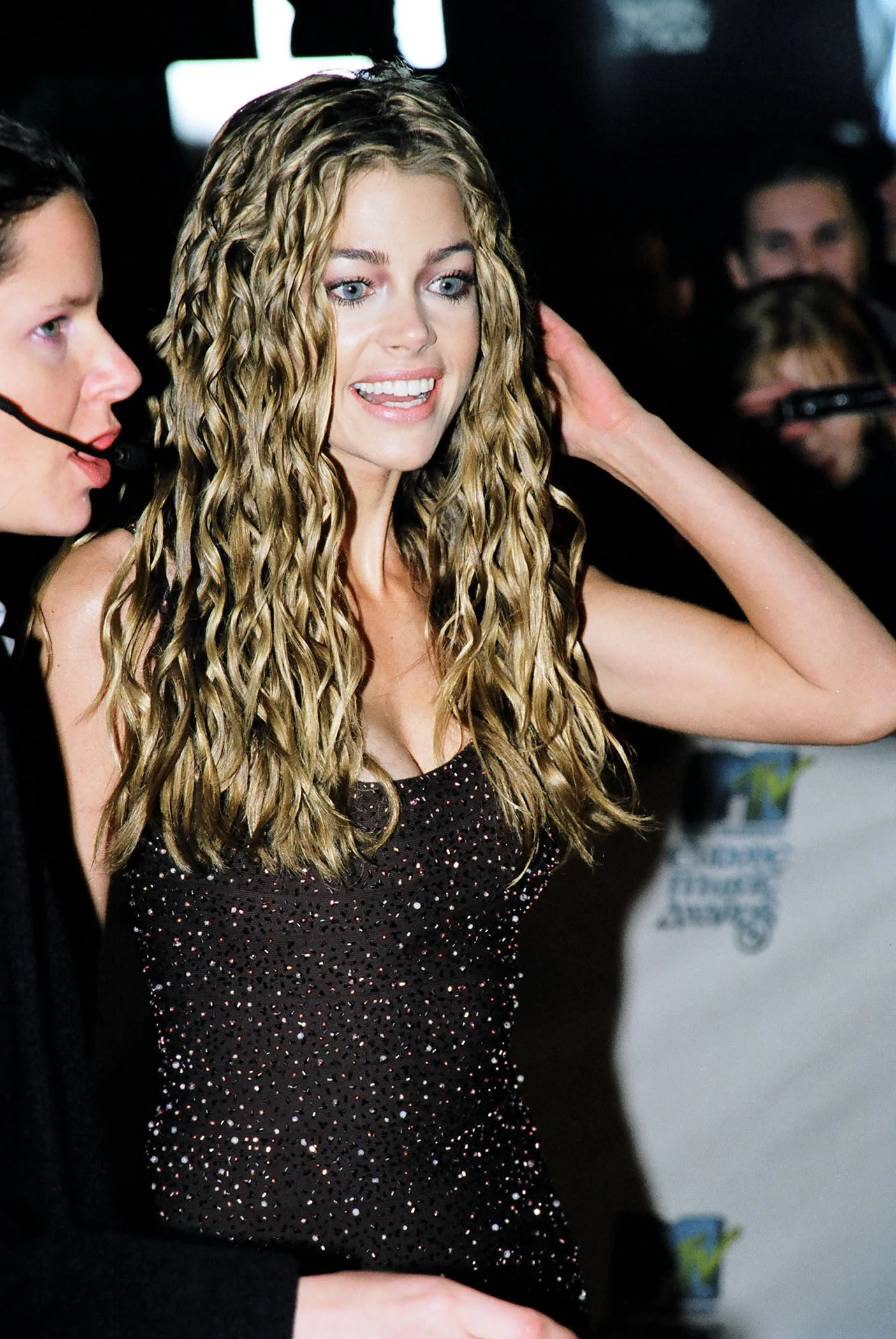
Her striking blue eyes, defined brows, smile, and bone structure became iconic, making any future significant alteration nearly impossible to conceal.
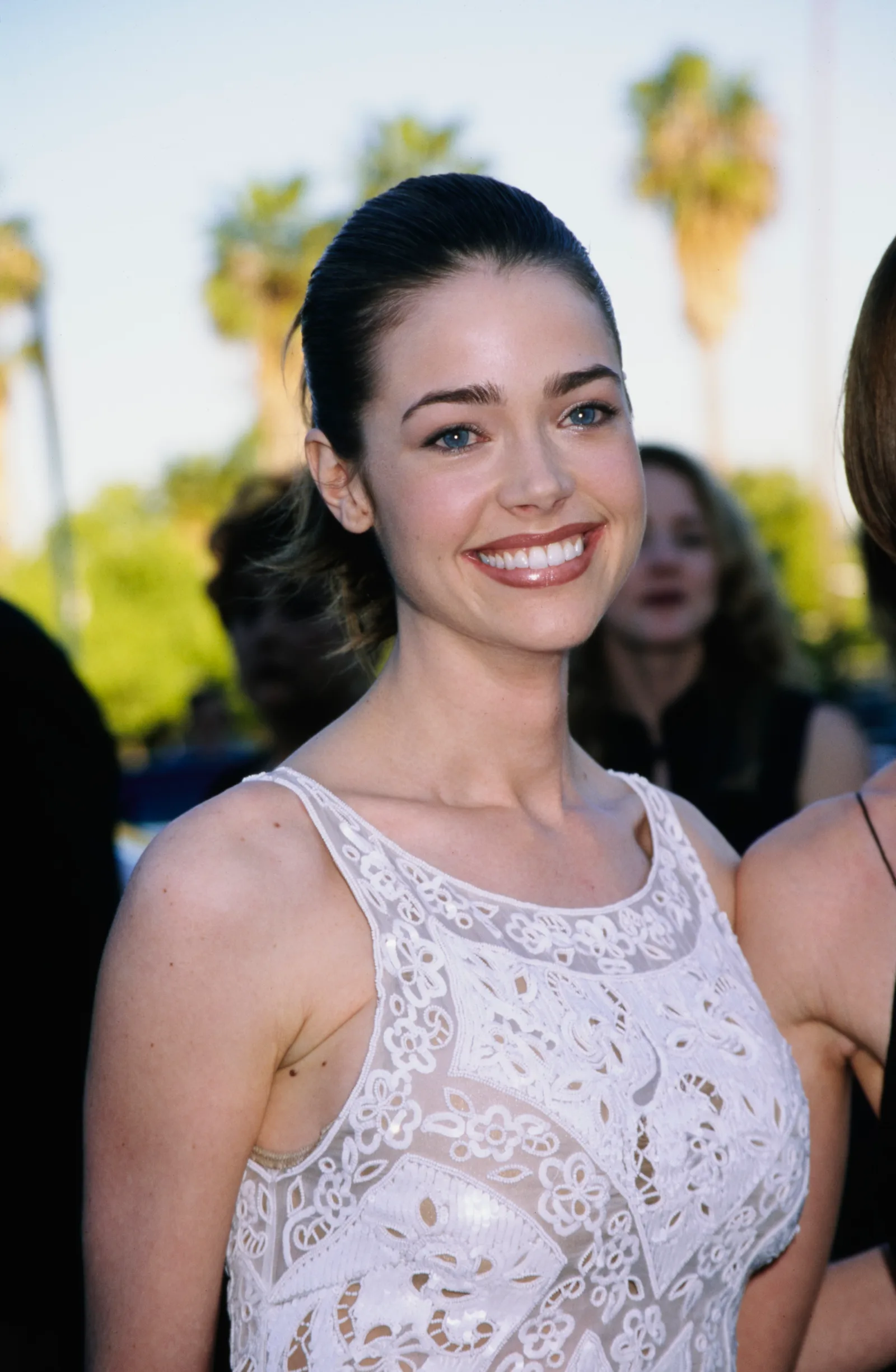
Bond Girl in 1999
In 1999, she made her mark as a Bond girl in ‘The World Is Not Enough,’ solidifying her polished public image within the glamorous celebrity culture of that era.
2000s Presence
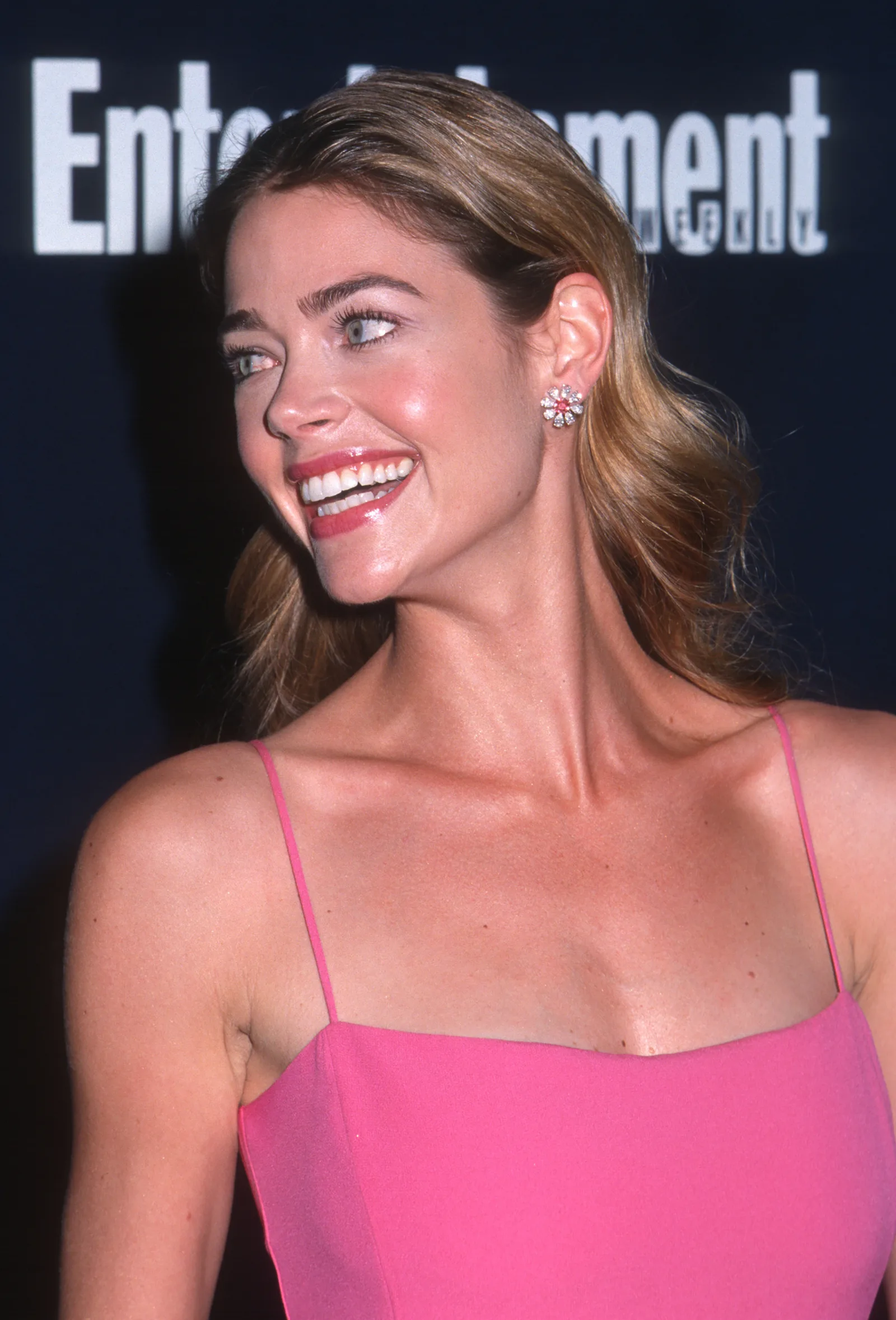
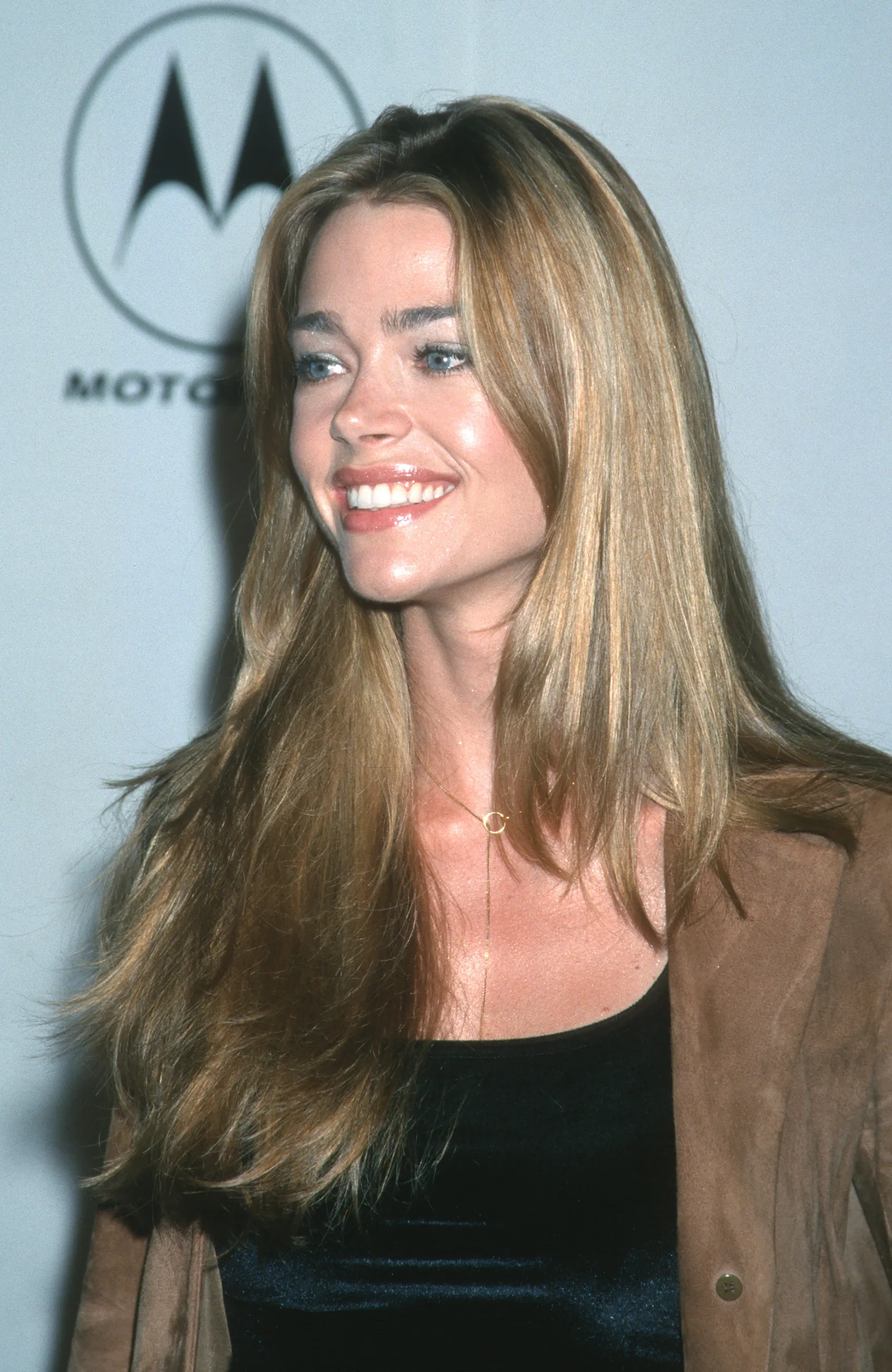
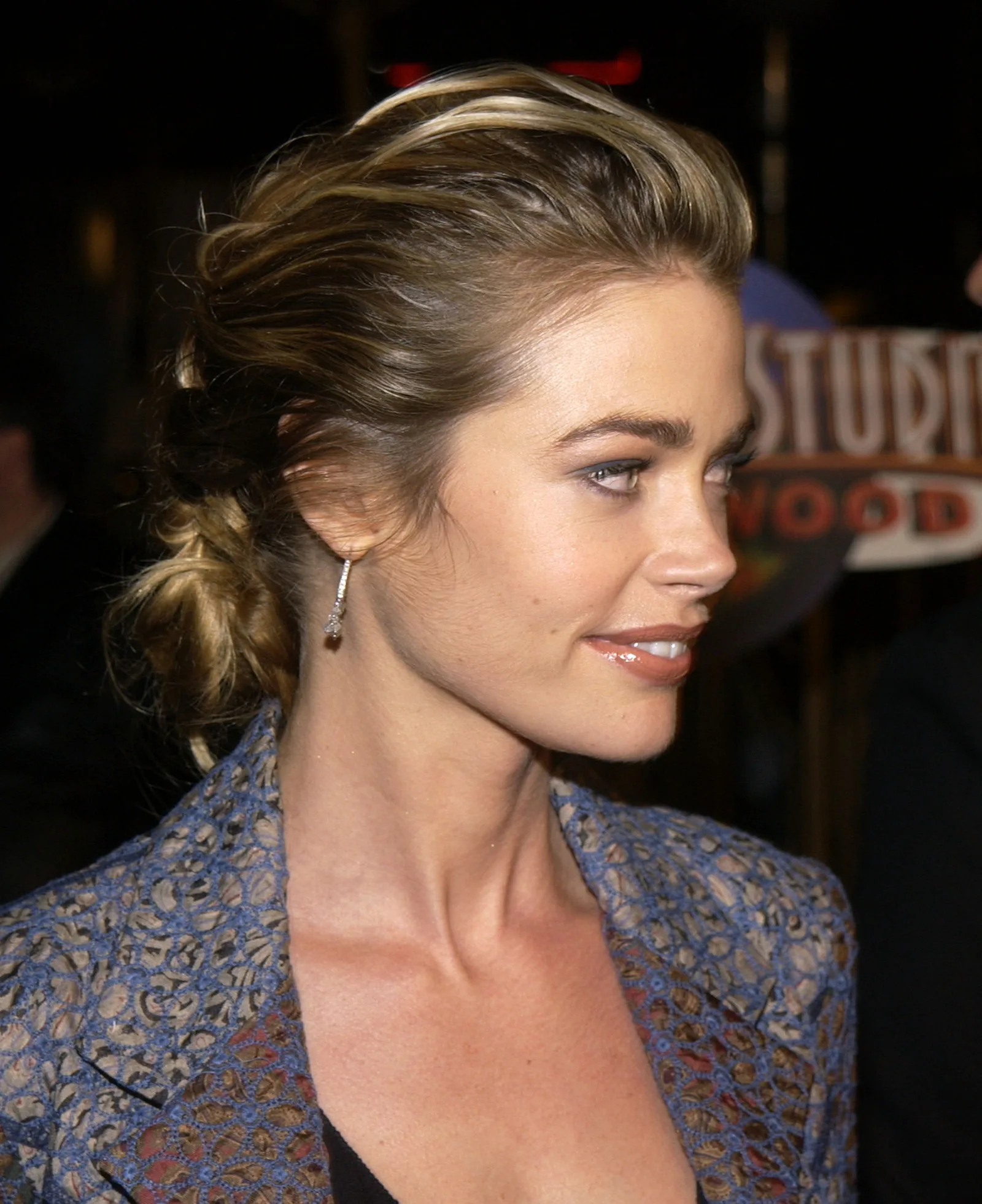
As the 2000s approached, Richards continued to be a visible figure at premieres and industry gatherings, with each hairstyle and makeup choice documented by photographers.
Family Life in 2002
In 2002, Richards starred in ‘Undercover Brother,’ while her relationship with Charlie Sheen attracted increasing media interest in her personal life.
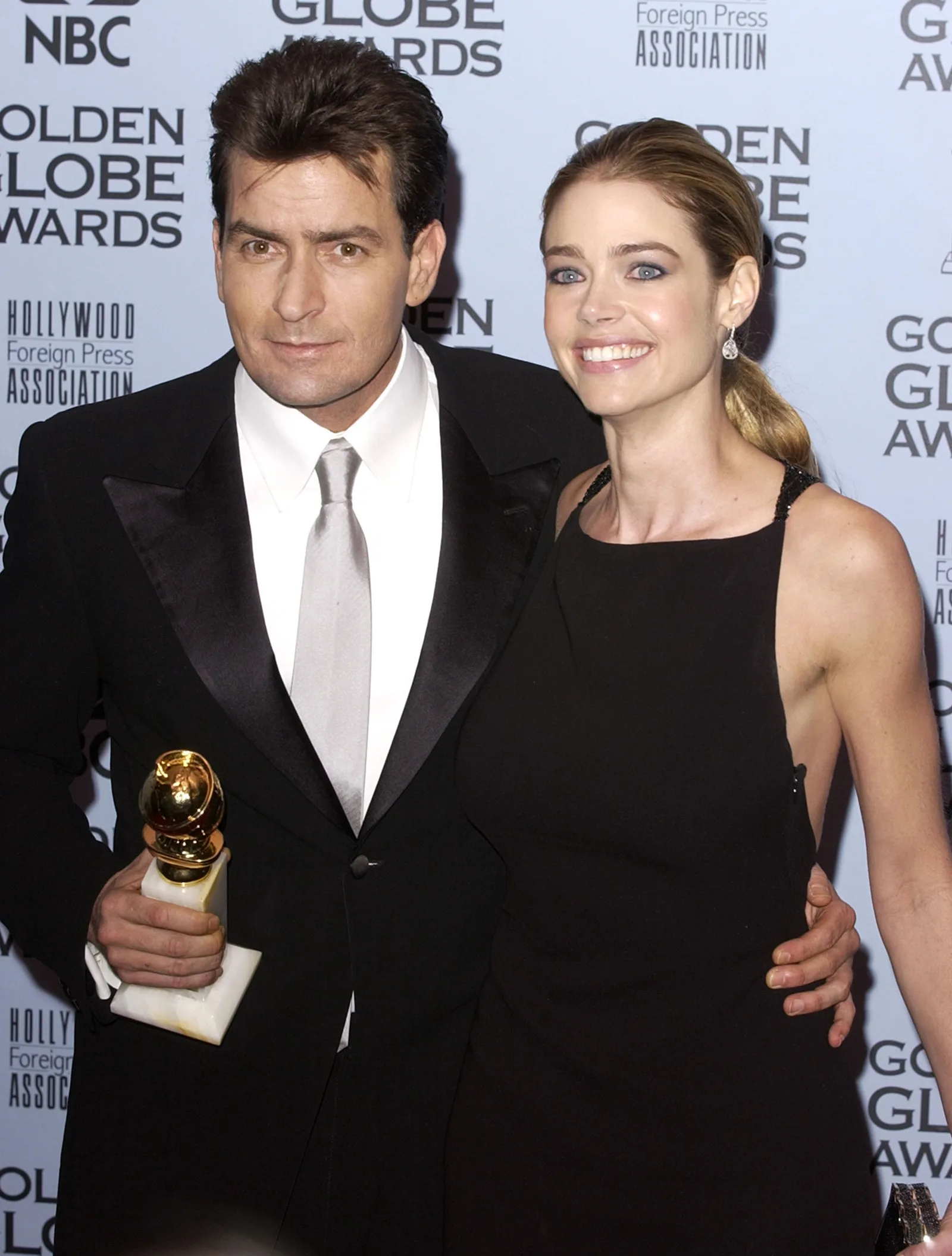
2003 Professional and Personal Overlap
In 2003, her career and personal life further intertwined with her role in ‘Scary Movie 3,’ featuring Sheen.
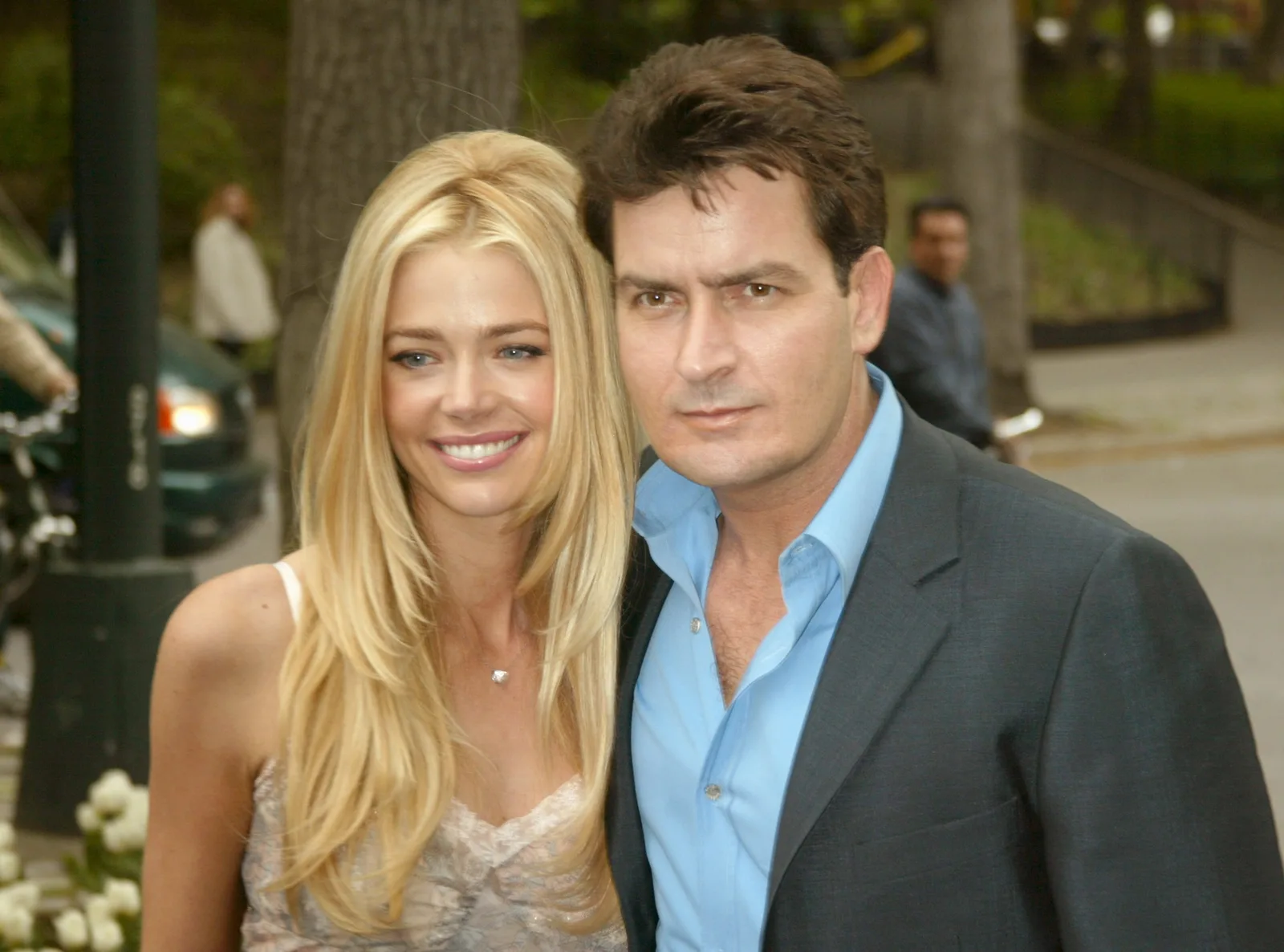
Motherhood in 2004
Richards was photographed during her pregnancy in 2004, signifying a significant transition from young starlet to mother.

Public Image in 2005
Despite the complexities in her personal life, Richards maintained a polished presence at various public events.

Navigating Change in 2006
By 2006, Richards was adjusting to life after significant changes within her marriage and family, remaining a steady presence at entertainment functions.

Mothering in 2007
Increasingly, Richards was seen publicly with her children, highlighting her dual role as a mother and professional.
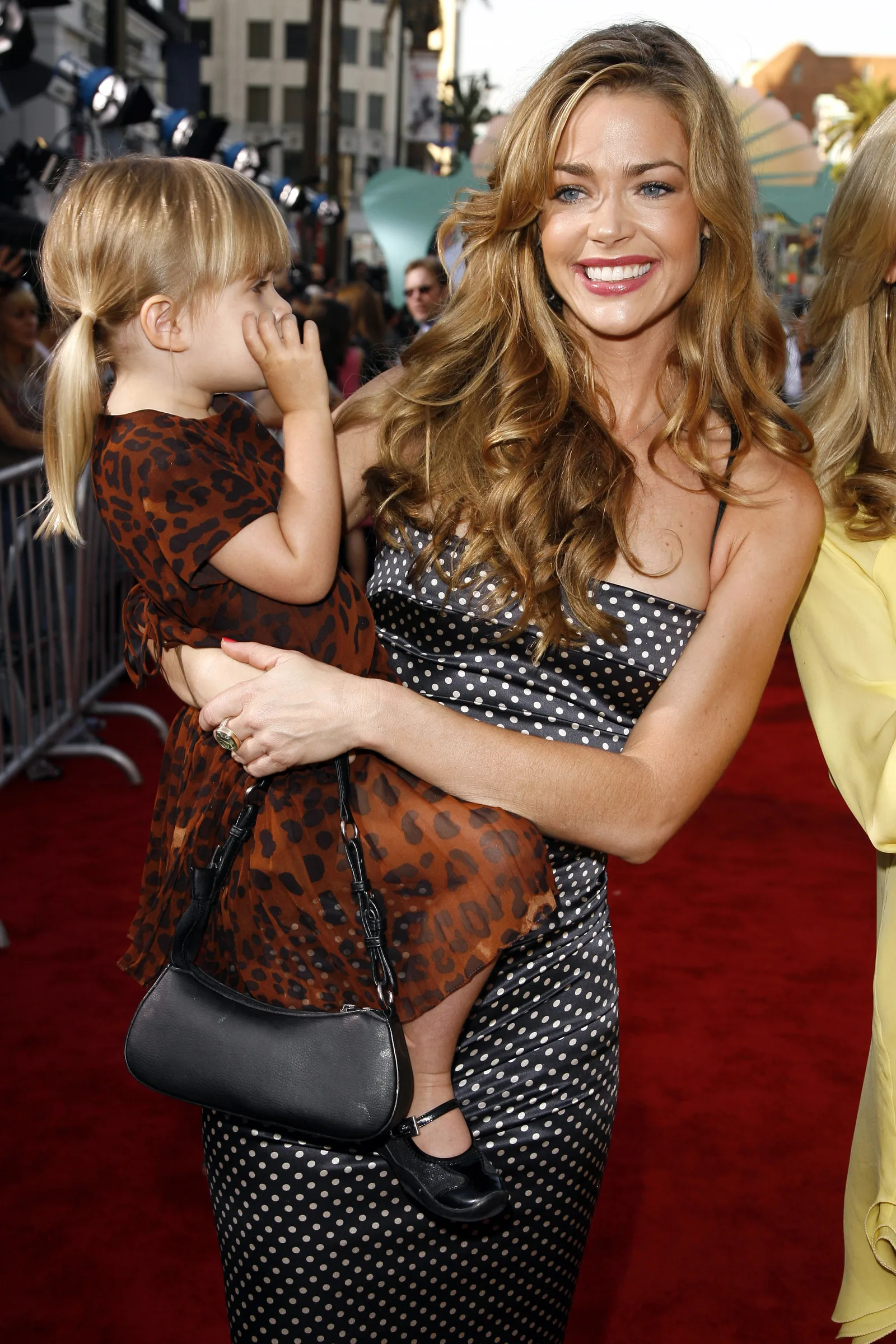
Beauty Evolution in 2008
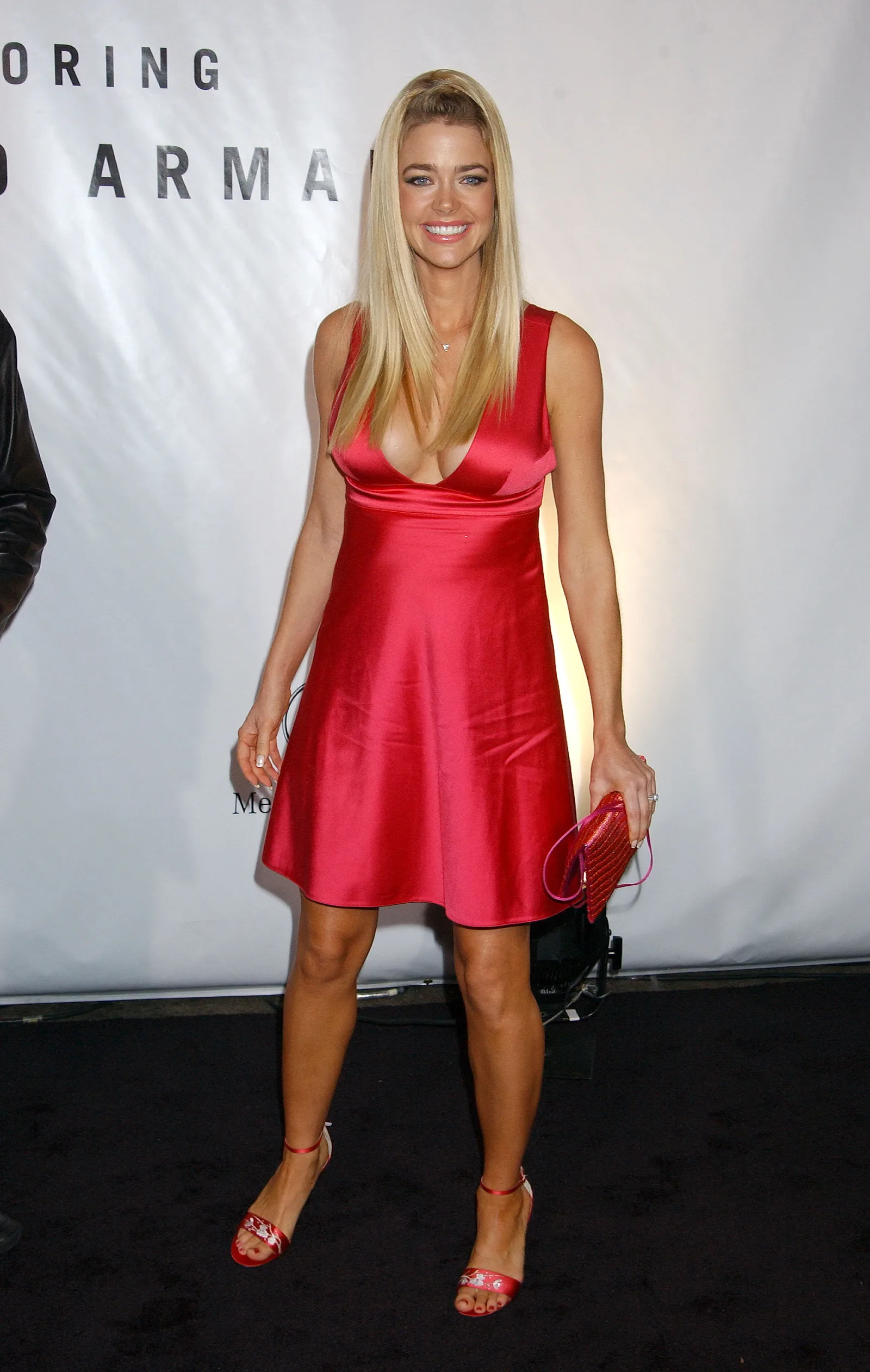
The beauty trends of the late 2000s embraced voluminous hair, bold lashes, and vibrant makeup, styles that Richards adapted to as well.

Changes in 2009

In 2010, Richards showcased a dark brown hairstyle, demonstrating how a simple change in styling could dramatically reshape her public persona.
Transformation and Reflection in 2011

Over the years, Richards retained the features that fans recognized from the ’90s, but the natural effects of aging began to show more clearly under bright lights.



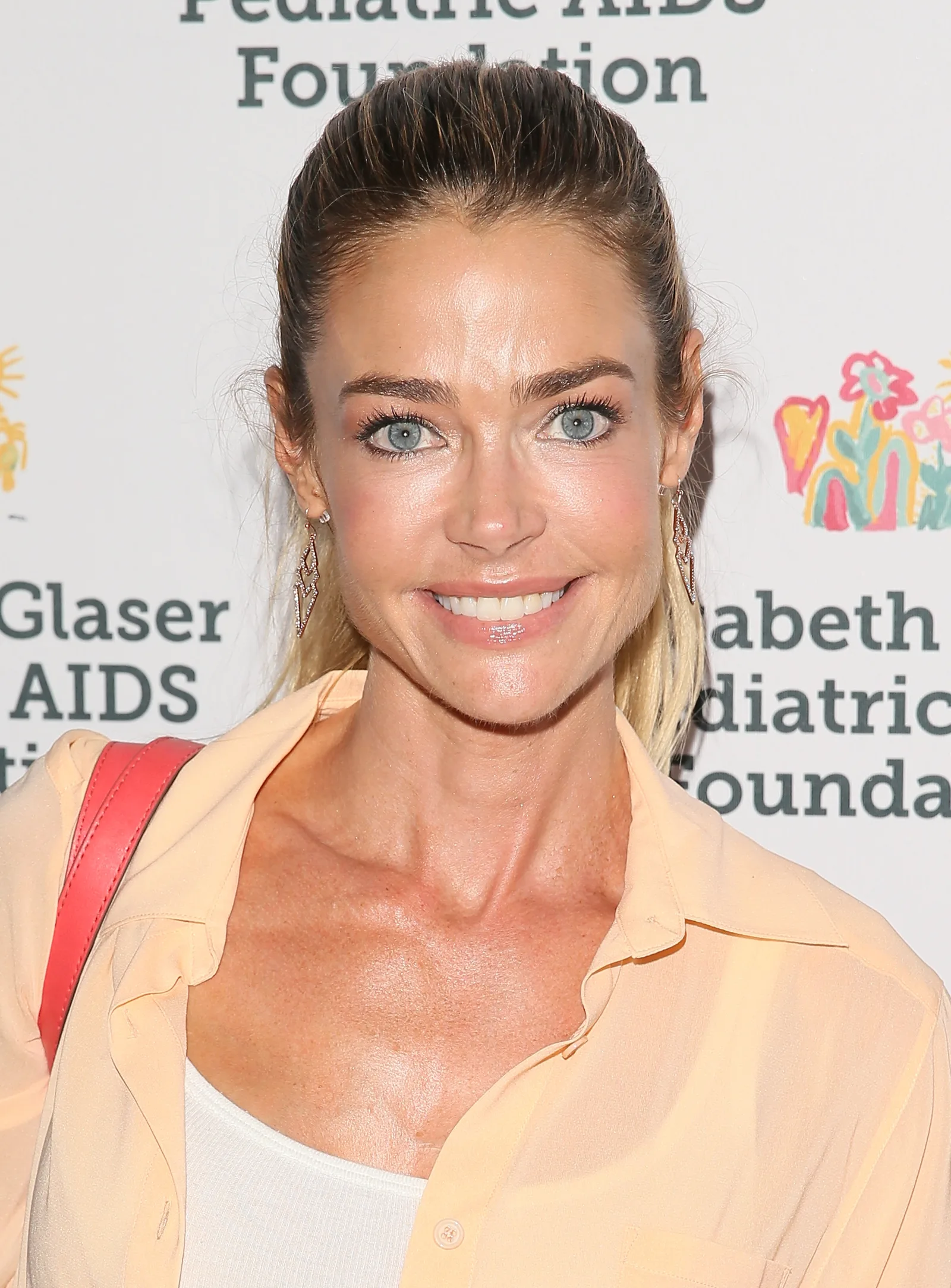
Years of Change through 2019

As of 2019, Richards publicly acknowledged her minimal use of fillers and the unsatisfactory effects they had on her appearance. ‘I’ve done a little Botox. I’ve done very little filler—it made me look like I was heavy; it just did not work for my face,’ she noted.

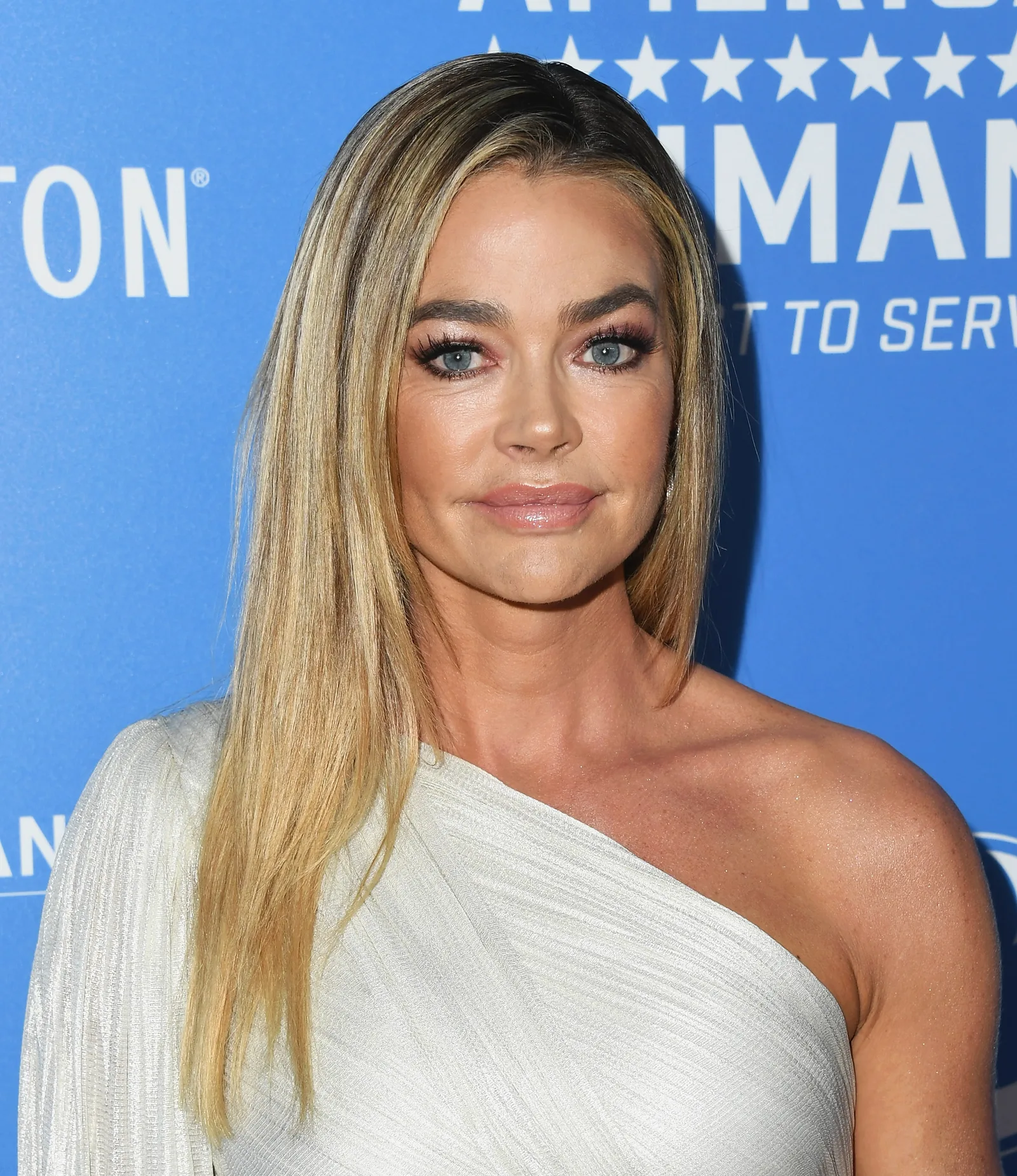

Deciding on Surgery in 2020
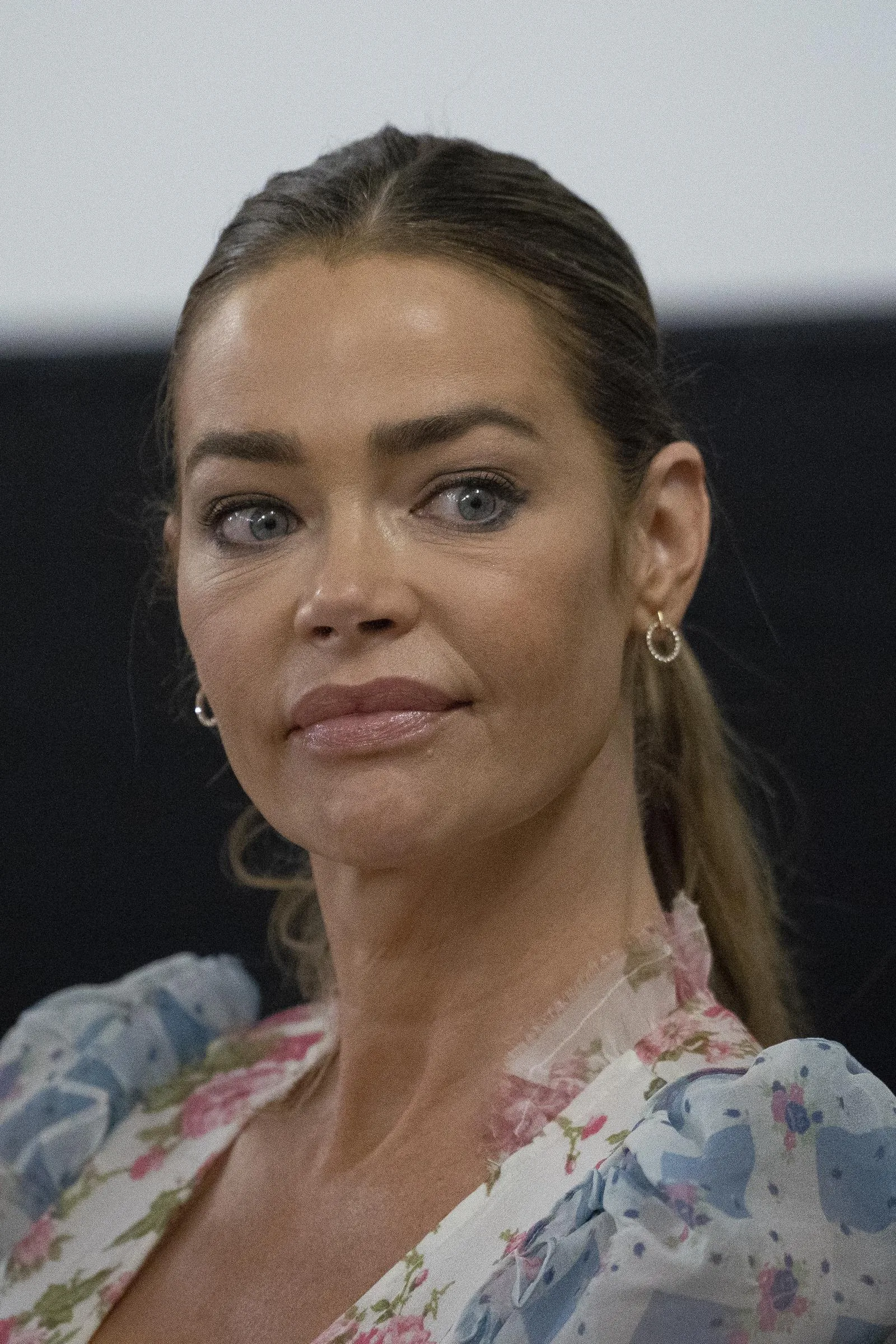
A Change of Heart in 2022

By 2023, Richards shared that her initial intention was to focus solely on her neck, which she associated with her late mother, who had referred to it as a ‘turkey neck’.
The Decision Process in 2024

Culmination of Decision in 2025
Richards revealed that she spent about two years contemplating the surgery, growing more resolute in the final six months. ‘I was like, ‘I have to do this,” she shared regarding her decision.
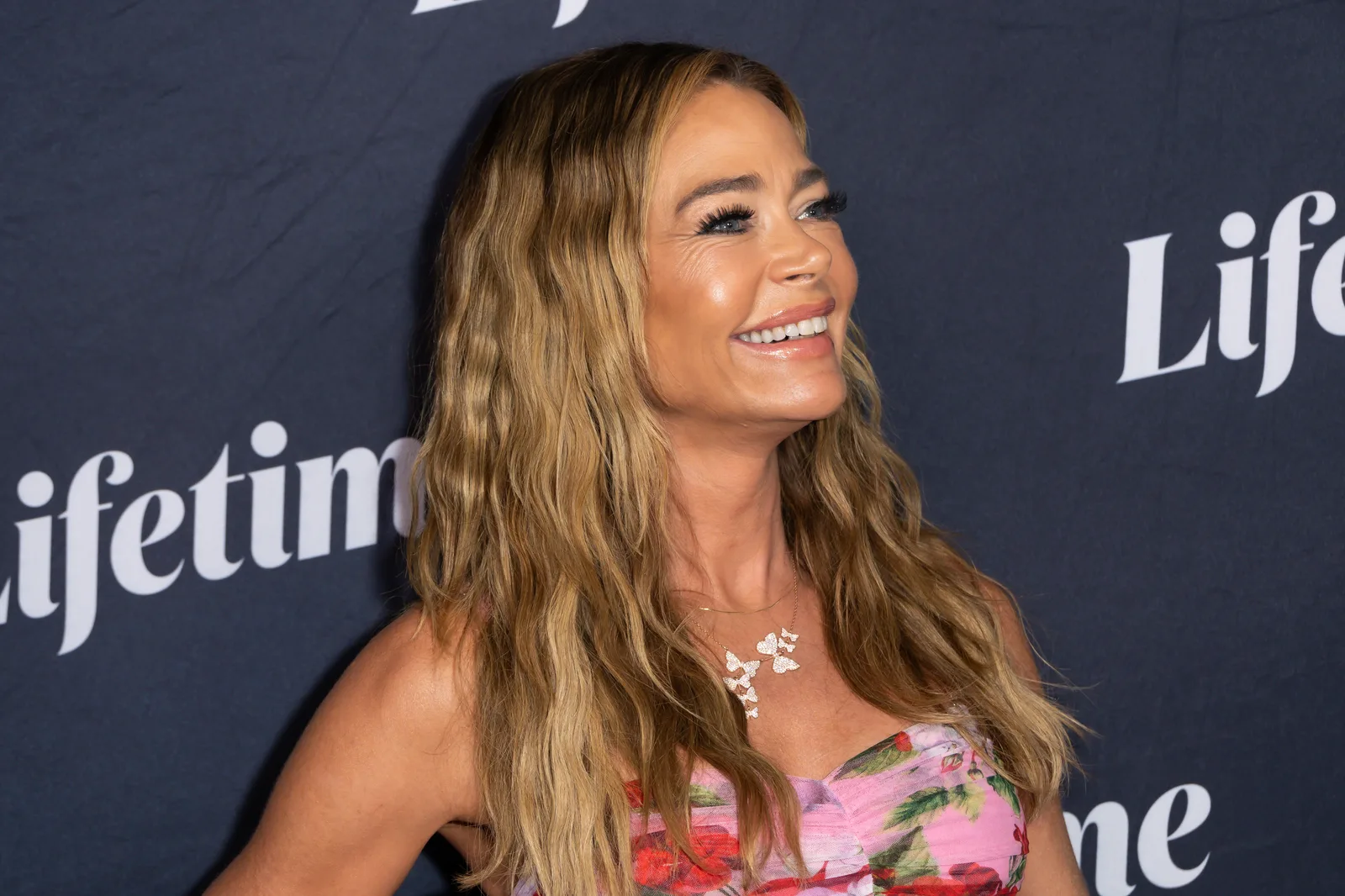
Pre-Surgery Life in 2026
Before the surgery, Richards continued working and attending events, admitting to Allure that she feared the changes might be too evident. Having been recognized since her 20s, she was aware audiences had a clear image of her original appearance.
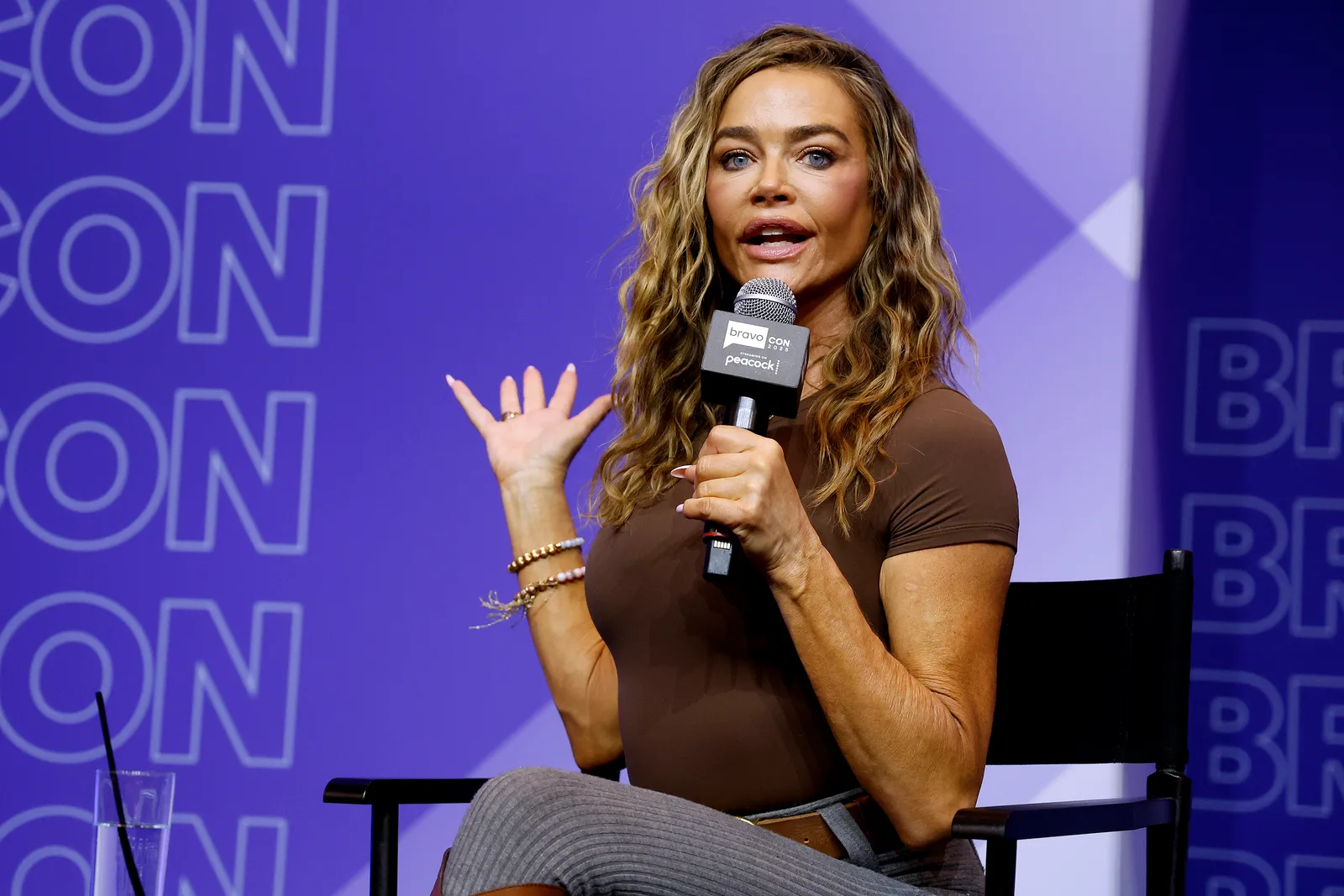

Goals for the Procedure
In a detailed interview with Allure in March 2026, Richards candidly discussed her facelift at 54, emphasizing her desire to restore her features rather than create a new identity. The 55-year-old actress explained: ‘I wanted to put things back up, where they were before.’
This facelift marked her first significant cosmetic surgery on her face. Although she had dabbled with Botox and filler, a facelift felt like a more consequential step. ‘I was terrified,’ she admitted. ‘A facelift is not something that I could hide.’
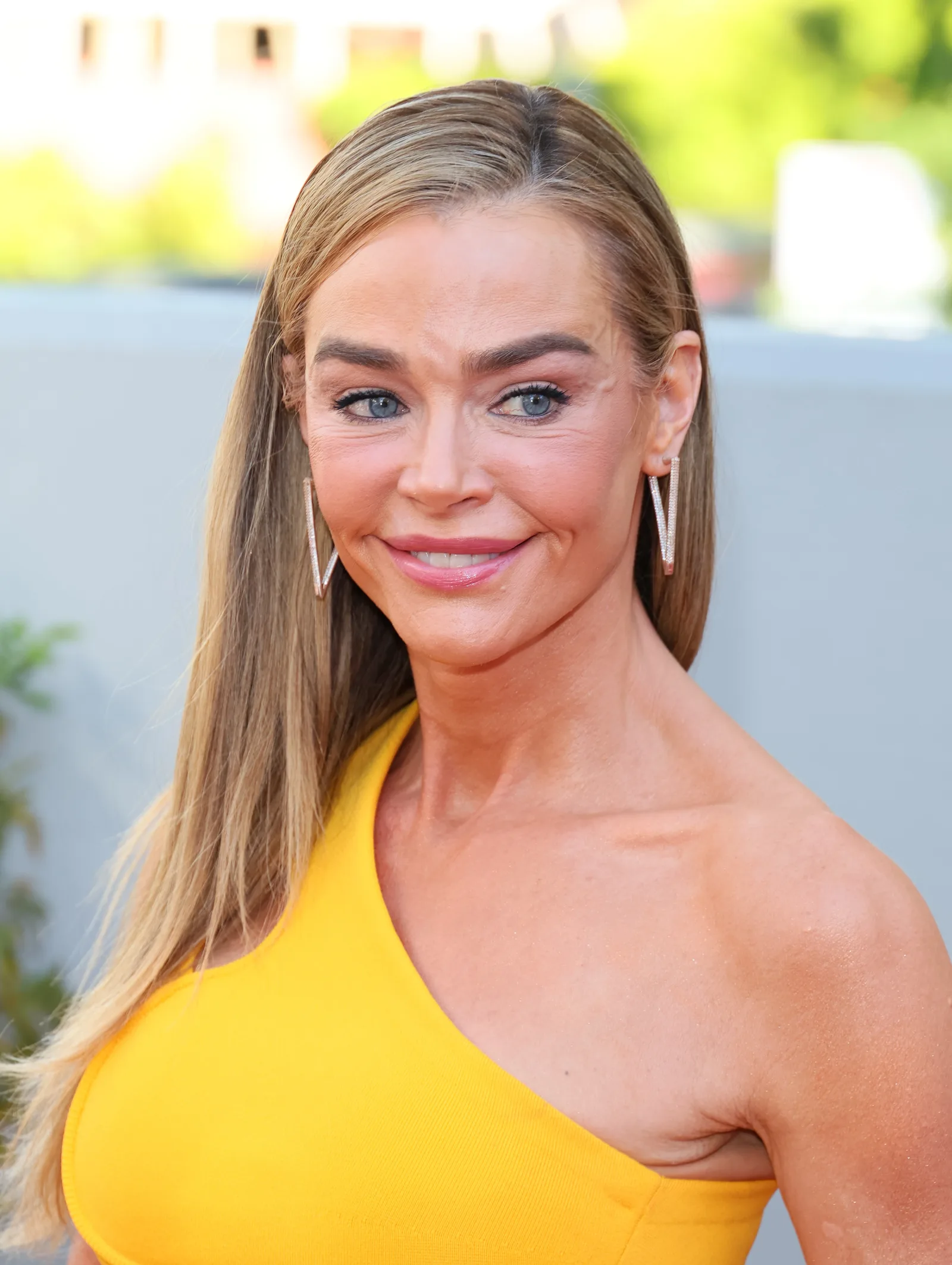
Upon meeting Dr. Ben Talei, he suggested treating her entire face instead of concentrating solely on her neck.
Richards likened this approach to renovating only one room in a house while leaving the rest untouched. She felt that merely restoring one aspect would be akin to refining only a section of a painting. Ultimately, she granted Talei full creative freedom, stating, ‘You’re the artist. Whatever you want to do.’
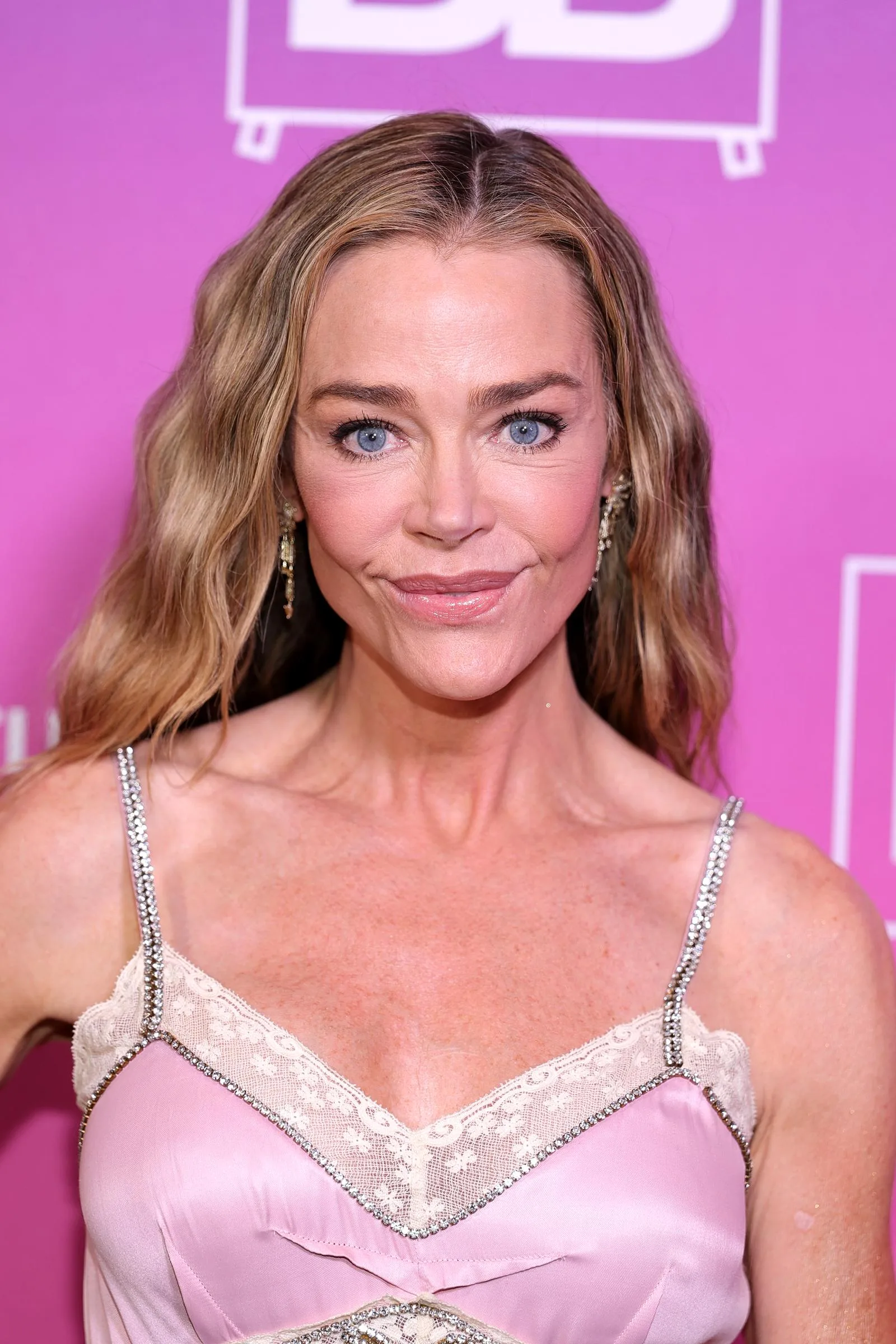
The reported procedures included a facelift, neck work, a temporal brow lift, a conservative upper blepharoplasty, lip corner lifting, and fat grafting. Talei repositioned her forehead and temples, worked on her upper eyelids, and utilized Richards’ own fat beneath the skin of her face and neck.
The fat was harvested from her thighs and combined with platelet-rich plasma before being applied in fine layers to enhance skin brightness and texture.
Richards expressed surprise at the remarkable change in her skin, almost as much as the lift itself. While she anticipated tighter contours, she did not foresee a more youthful texture. ‘It is night and day. It’s shocking, actually,’ she remarked regarding the results.
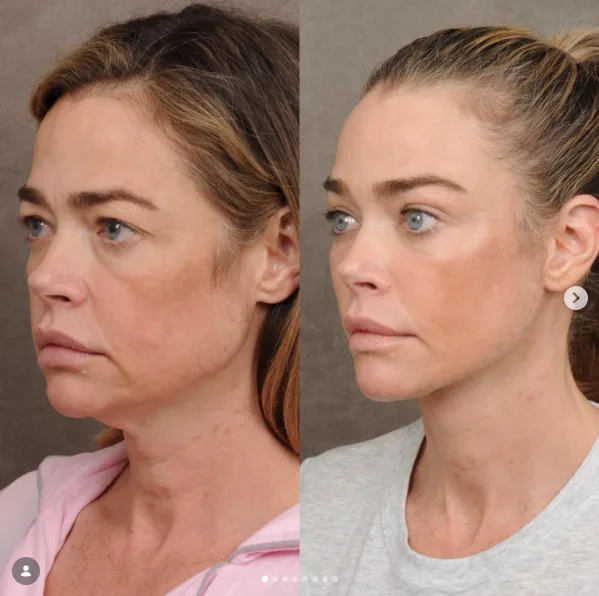
Visual Documentation of the Transformation
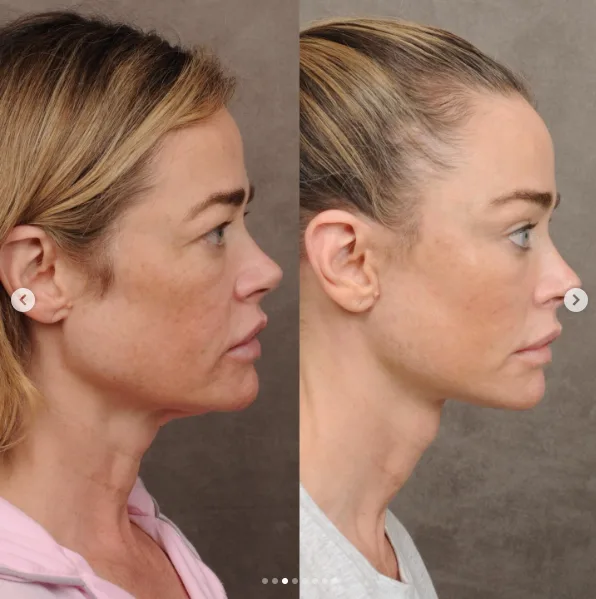
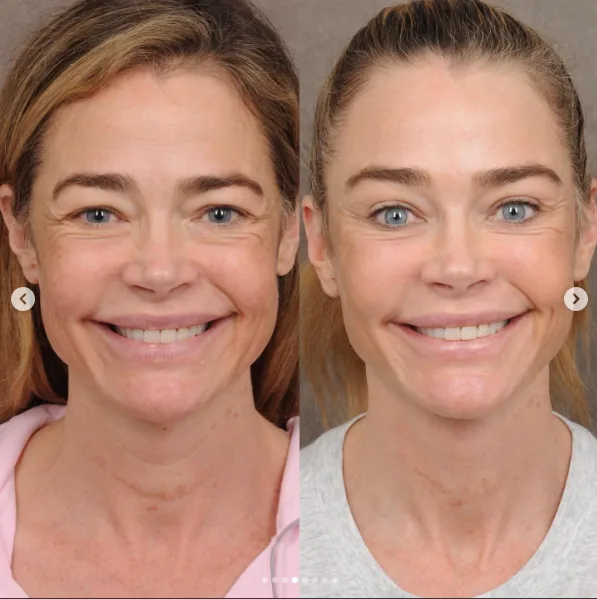
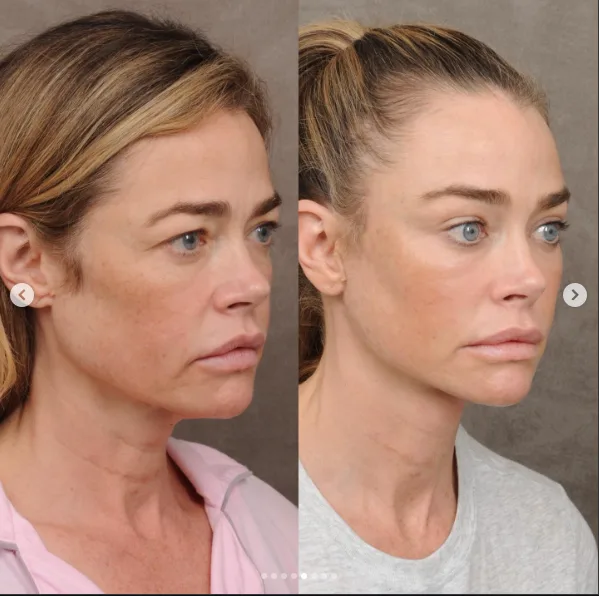
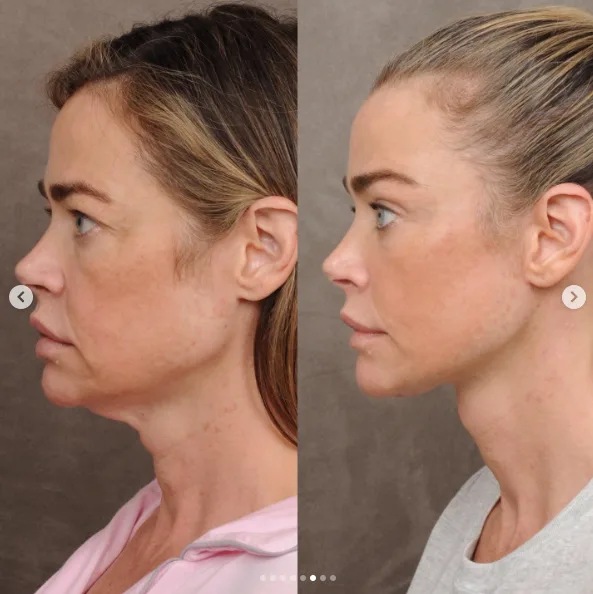
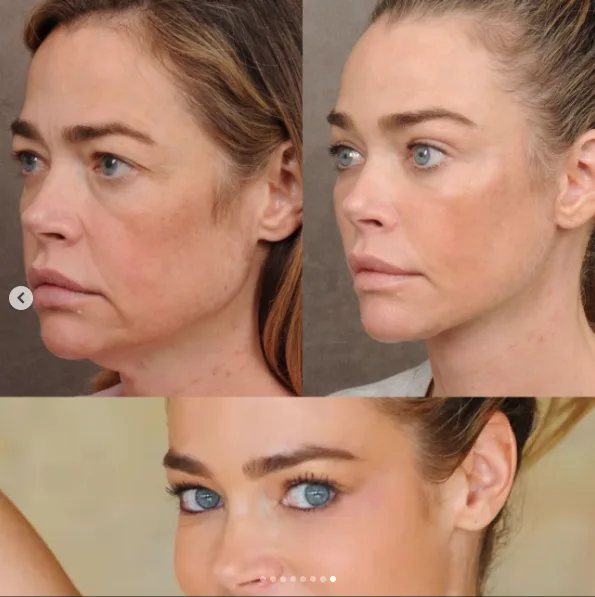
On March 21, 2026, Talei shared an extensive Instagram carousel showcasing Richards’ treatment, describing it as a restorative process intended to maintain her recognizable features. He highlighted changes made to the brows, forehead, eyes, earlobes, mouth, neck, upper chest, smile, and the lines between her eyebrows.
Talei focused on restoring Richards’ eyes without altering their essence. He mentioned that the procedure alleviated a weary or sorrowful expression around her eyes and mouth.
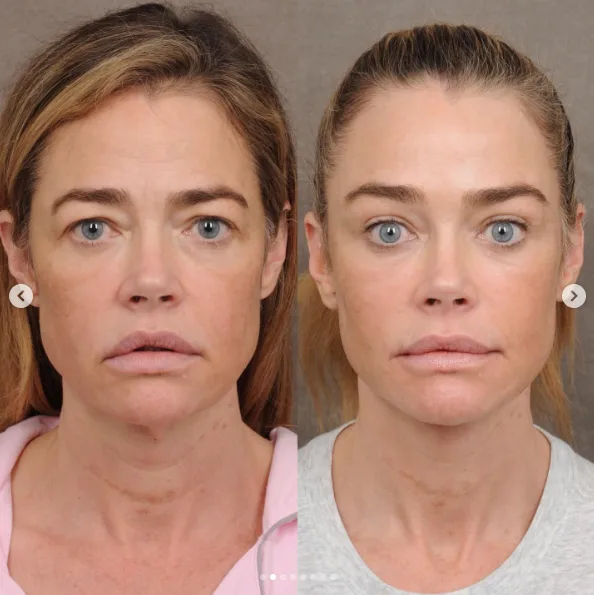
The doctor also pointed out subtle details that might go unnoticed, such as eyebrow hair positioning, forehead shape, earlobe appearance, and the junction between the neck and upper chest.
Additionally, the lift reduced visible furrowing between Richards’ eyebrows and replenished volume while avoiding an overly puffy-cheeked look.
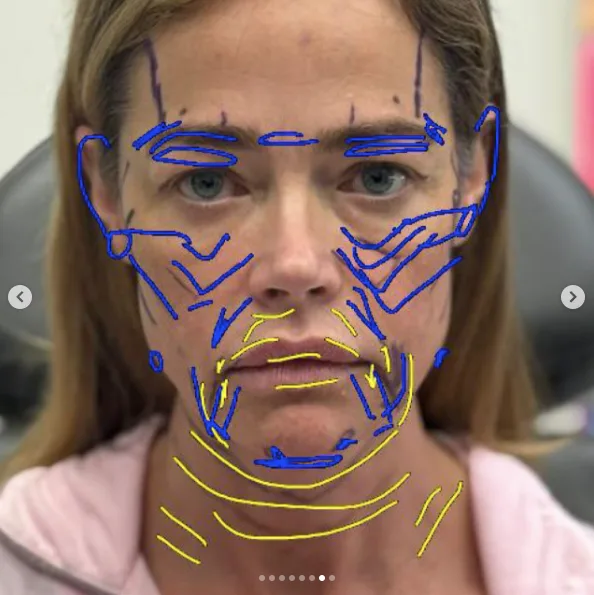
On the day of the surgery, Talei marked extensive outlines across Richards’ face and neck. She recalled being surprised at how much area was covered. While the plan became clearer afterward, the moment underscored the seriousness of the operation.
Talei commended Richards for her transparency regarding the procedure and praised her remarkable resilience, concluding with the sentiment, ‘She has a golden heart and her golden face is hers again.’
Recovery Journey
Post-surgery, Richards had incisions in front of and behind her ears, beneath her chin, and concealed behind her hairline. She emerged from the procedure with her head bandaged and two drains installed on top.
While she had worried about feeling enclosed, the anesthesia left her too disoriented to focus on the bandaging. The following morning, Talei removed the dressings and drains.
Richards spent a week at a specialized recovery center for plastic surgery, which provided around-the-clock nursing care, red-light therapy, hyperbaric chamber access, and lymphatic massage. She mentioned that the facility kept patients separate, although she recognized a familiar voice from another renowned patient in a nearby room.
Painful Brow Lift Experience
Richards described the discomfort stemming from the brow lift as different from a regular headache or migraine. The incisions were made behind her hairline, mitigating visibility, but the headaches were much more severe than she anticipated.
After the surgery, her ears experienced numbness, leading her to jokingly ask Talei if he had inadvertently removed them and set them aside. By day two or three, Talei encouraged her to glance in the mirror, and she was pleasantly surprised to see that she still resembled herself, though a bit swollen.
Within roughly ten days, she felt comfortable dining out while wearing a hat, with minimal bruising visible around her eyes. She emphasized that deeper healing and settling continued over the subsequent months.
Personal Turmoil Begins Shortly After
However, her tranquil recovery was disrupted by the filing of divorce papers by Aaron Phypers on July 7, citing irreconcilable differences. Ten days later, Richards was granted a temporary restraining order, which evolved into a permanent order by November.
‘Unfortunately, I started going through my divorce ten days after I had surgery,’ Richards recalled. ‘So the second week wasn’t as calm as the first week.’ Nevertheless, she continued caring for her incisions and observed her swelling diminish daily. ‘I looked like myself, but better,’ she reflected.
Richards also claimed that her ex revealed details about the facelift, and a photographer was seen outside during a microneedling appointment for her scars. She dismissed the notion that the procedure had been botched as ‘really ridiculous.’
Contemplation of Silence About the Facelift
The actress revealed that she had considered remaining silent about her facelift. However, after information leaked from her ex, she humorously remarked, ‘I think I could have gotten away with, ‘Oh, she looks so much better after her divorce.’ I believe I probably could have escaped that — or not, who knows.
In the end, she chose to be transparent, believing it could assist other women in understanding that youthful appearances often require more than just skincare, exercise, and nutrition.
Daughters’ Initial Opposition
Richards shared that her two oldest daughters were initially displeased upon hearing about her decision. They felt she didn’t need the surgery and thought she was too young for it. Nonetheless, Richards requested that they respect her choice, even in disagreement.
This conversation became more complicated because Richards had previously voiced disapproval regarding her daughter Sami Sheen’s nose job.
When Sami reminded her of that objection, Richards replied that a nose job at 20 could significantly alter someone’s appearance, while she saw her own surgery as a restoration of her original features. Still, she acknowledged the thin line between their situations.
Having grown up surrounded by magazine covers, photo shoots, and glamorous styling, Richards admitted that it was challenging to advise her daughters to disregard beauty pressures while being immersed in an industry that perpetuates them.
Connection to Her Facelift Surgeon
Richards met Dr. Talei through Dr. Rob Cohen, who had treated her following a television stunt that caused damage to the capsules around her breast implants. She reflected on having received her first implants at 19, expressing regret over not feeling confident enough to embrace her natural body.
She also cautioned that implants necessitate ongoing maintenance and can lead to multiple surgeries. While in Cohen’s office, Richards was struck by the facelift patient photos on a monitor, as they appeared revitalized while still looking authentically like themselves.
This inspired her to schedule a consultation with Talei, undergoing the facelift just three weeks after the breast surgery. Since she had already set aside time for recovery, she decided to move forward before fear could persuade her to backtrack.
About two weeks prior to her surgery, Talei discovered filler still in Richards’ upper cheeks and dissolved it. She noted her surprise, stating it had been around a year and a half since she last recalled getting filler, unaware of how long it could last.
This experience reinforced her aversion to filler, although she remains open to the occasional Botox treatment in the future, specifying that only Talei should perform any further facial work.
Discussion of Cosmetic Experiences
Richards revisited her cosmetic journey during her August 3, 2026 appearance on Bunnie XO’s ‘Dumb Blonde Podcast.’ Bunnie quickly complimented Richards on her appearance, noting how impressive the results were.
The conversation shifted from compliments to a candid discussion on transparency, beauty standards, surgery, discomfort, numbness, fillers, and the recovery experience.

Richards expressed appreciation for Bunnie’s honesty about her own surgical experiences, highlighting that women deserve accurate information regarding the procedures undertaken by public figures to maintain their looks.
Bunnie concurred, emphasizing her desire to prevent young viewers from thinking that a surgically altered face is an effortless or entirely natural outcome, bluntly stating, ‘Girl, I don’t even look like me.’
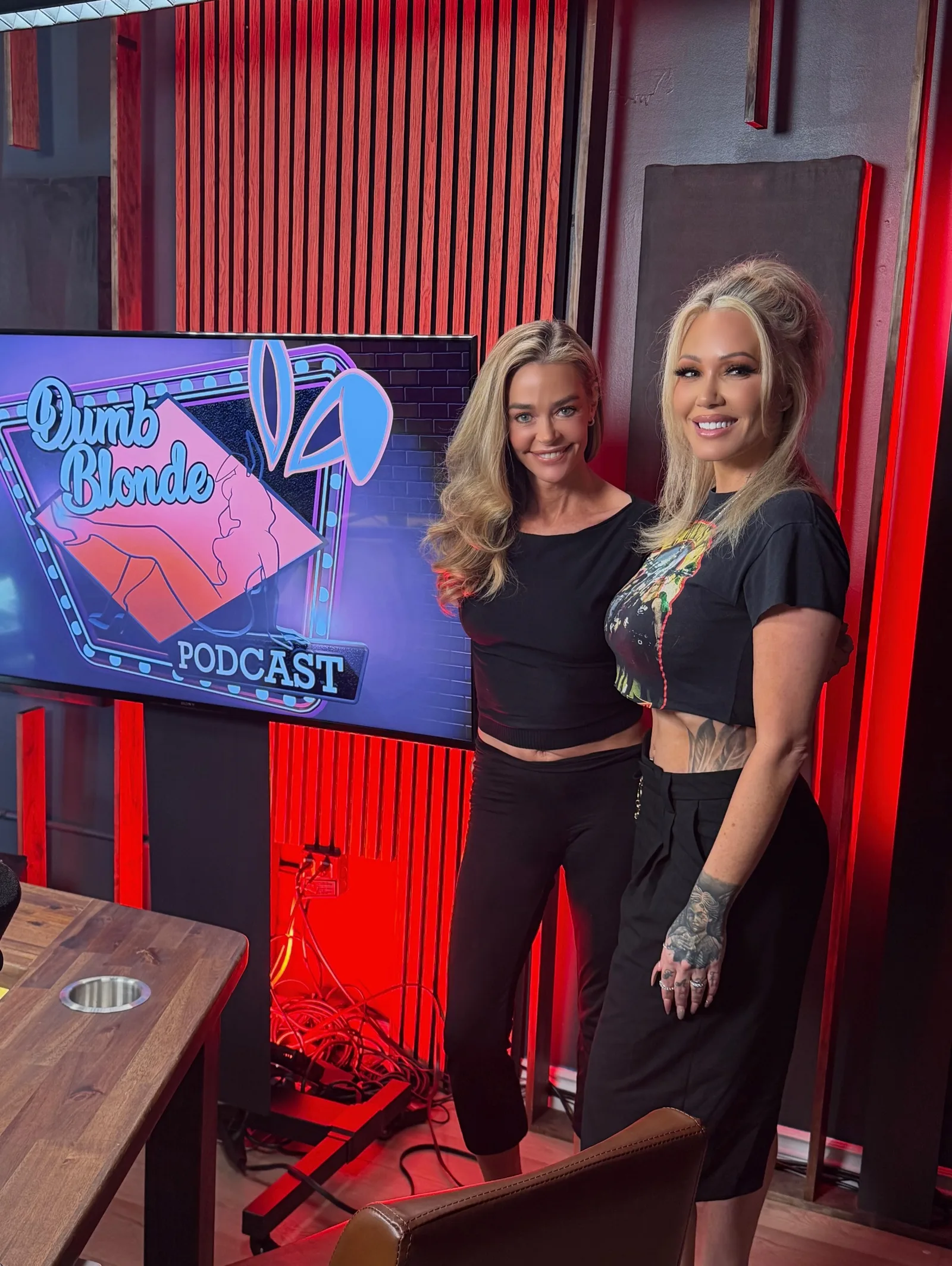
When Bunnie inquired about the specific elements of Richards’ procedure, she mentioned that Talei worked on her neck, lower face, upper face, brow, and upper eyelids. The lower eyelids were the only significant area he did not address.
Richards recalled that a well-known friend who had privately undergone a facelift encouraged her to address her entire face rather than just her neck, while another friend advised not to bypass the eye work. Ultimately, Richards agreed that these warnings were justified.
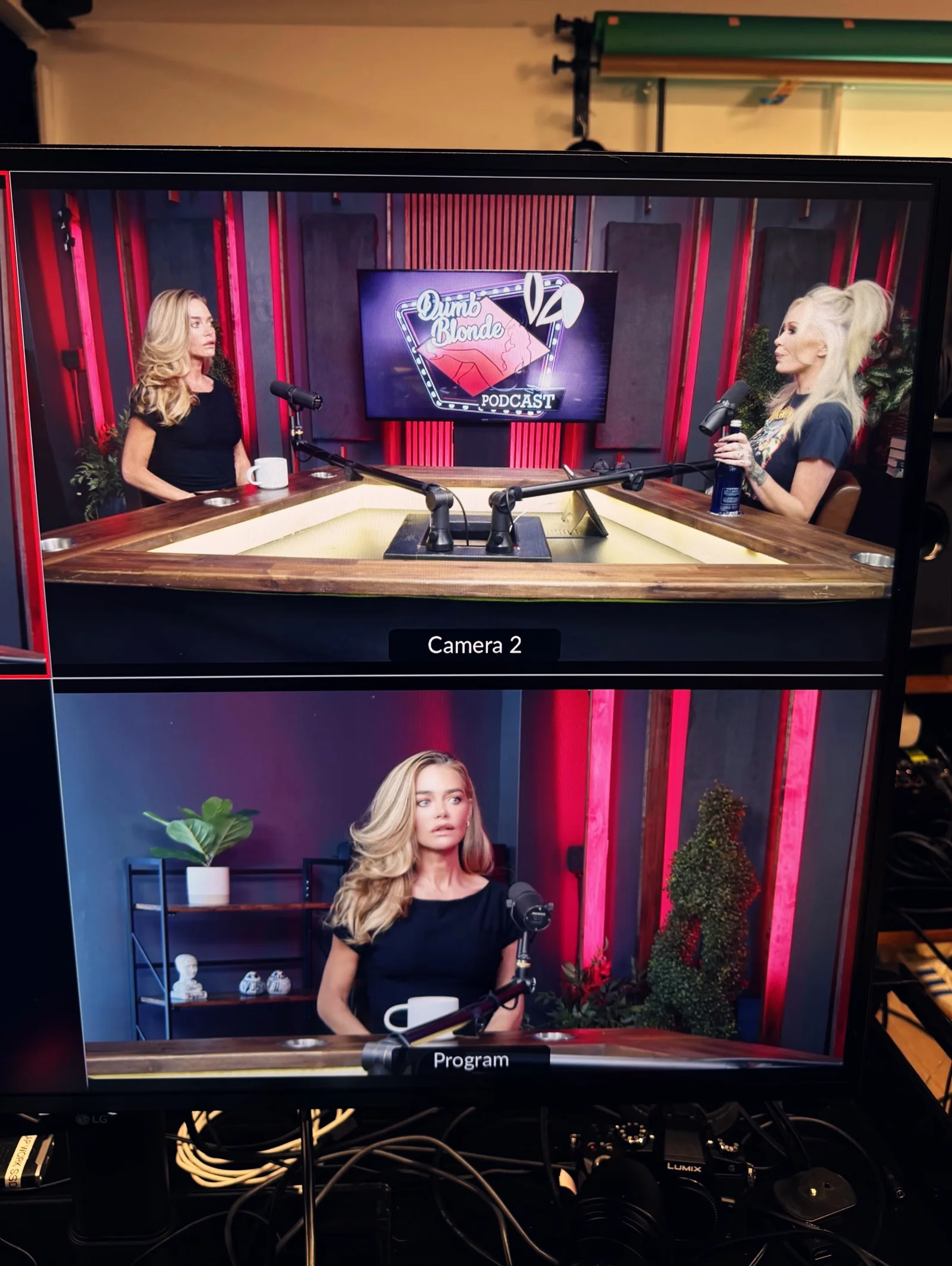
Bunnie further asked if Richards still felt numbness, to which she replied that the remaining numb area was under her chin, while other parts had improved. She reassured Bunnie that the healing process continued to enhance over time.
Initially, Richards had been skeptical about the idea that her face would continue to improve as it settled, questioning how that was possible with gravity at play, but she eventually noticed the difference herself. ‘It was the best thing I did for myself,’ she stated.

Richards and Bunnie also agreed that many people underestimate the extent and discomfort of facelift recovery, even for those with high pain thresholds.
Bunnie described her recovery as daunting and humorously suggested she resembled Frankenstein. Although her team assured her she looked better each day, she struggled to accept that at the time.
Richards shared that her first night was particularly challenging, with such intense head pain that her neck discomfort seemed secondary.
Cautionary Insights About Fillers
In addition to discussing their facelifts, Bunnie warned listeners about fillers, explaining that they can attract water, expand, become lumpy, and shift position. Richards agreed that fillers did not suit her face, revealing her limited use of them.
Both women advised potential patients to look at a surgeon’s results months or even a year post-surgery instead of basing their judgments solely on immediate post-operative photos. Richards underscored that just because someone is a plastic surgeon does not guarantee they possess exceptional skill.

Life-Changing Results from the Facelift
Reflecting on her facelift, Richards noted that looking back at older pictures after her recovery was quite astounding. The gradual nature of aging had masked her awareness of the cumulative changes until she viewed the before-and-after images side by side.
She expressed that the procedure instilled renewed confidence during an especially trying time in her life, asserting that she would have made the same choice even if she weren’t in the public eye.
Her aim was never to appear 20 years younger; instead, she sought to look like the best version of herself while still unmistakably recognizable. ‘She looks calmer, happier, brighter now — it’s a character difference,’ commented Dr. Talei.
Imagining an Alternate Aging Scenario
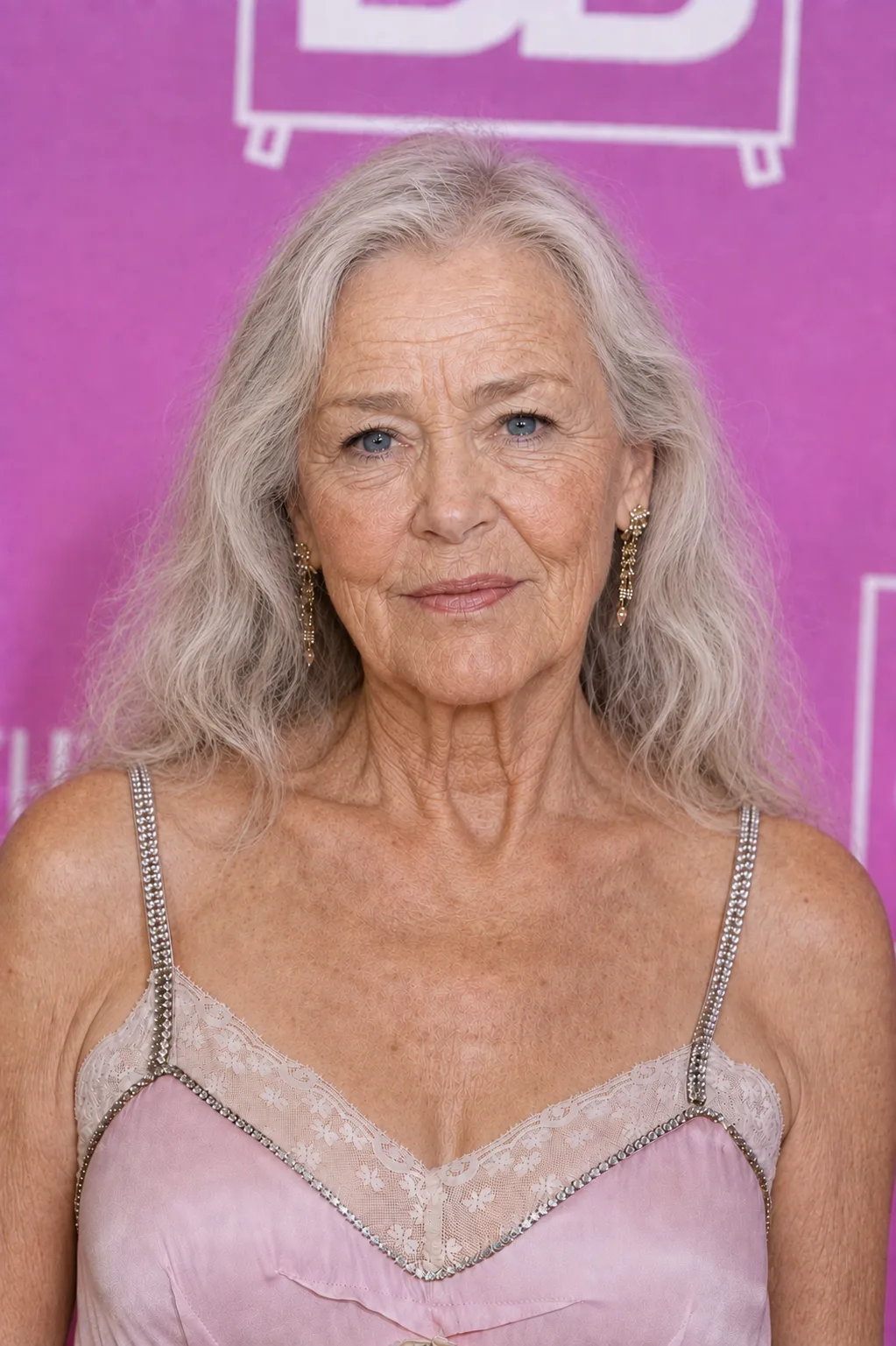
Real photographs document Richards’ chosen path, while AI-generated images envision a contrasting scenario. Using AI, we can see an imagined representation of how Richards might age at 55, 60, 65, 70, 75, and 80, had she chosen to age naturally without surgical enhancements.
These images are creative interpretations rather than factual predictions. Natural aging involves a myriad of factors, including genetics, health, hormonal changes, weight fluctuations, sun damage, stress, skincare, lifestyle choices, and numerous other variables that an AI model cannot authentically predict. Nonetheless, this visual sequence provides an intriguing alternate perspective.
The first AI-generated image depicts an imagined version of Richards at her current age, showcasing visible lines and looser facial contours typically associated with natural aging.
The visual impact is particularly striking as it mirrors the styling and event setting of one of Richards’ actual 2026 photographs, making the contrast feel immediate, despite one being real and the other purely artificial.
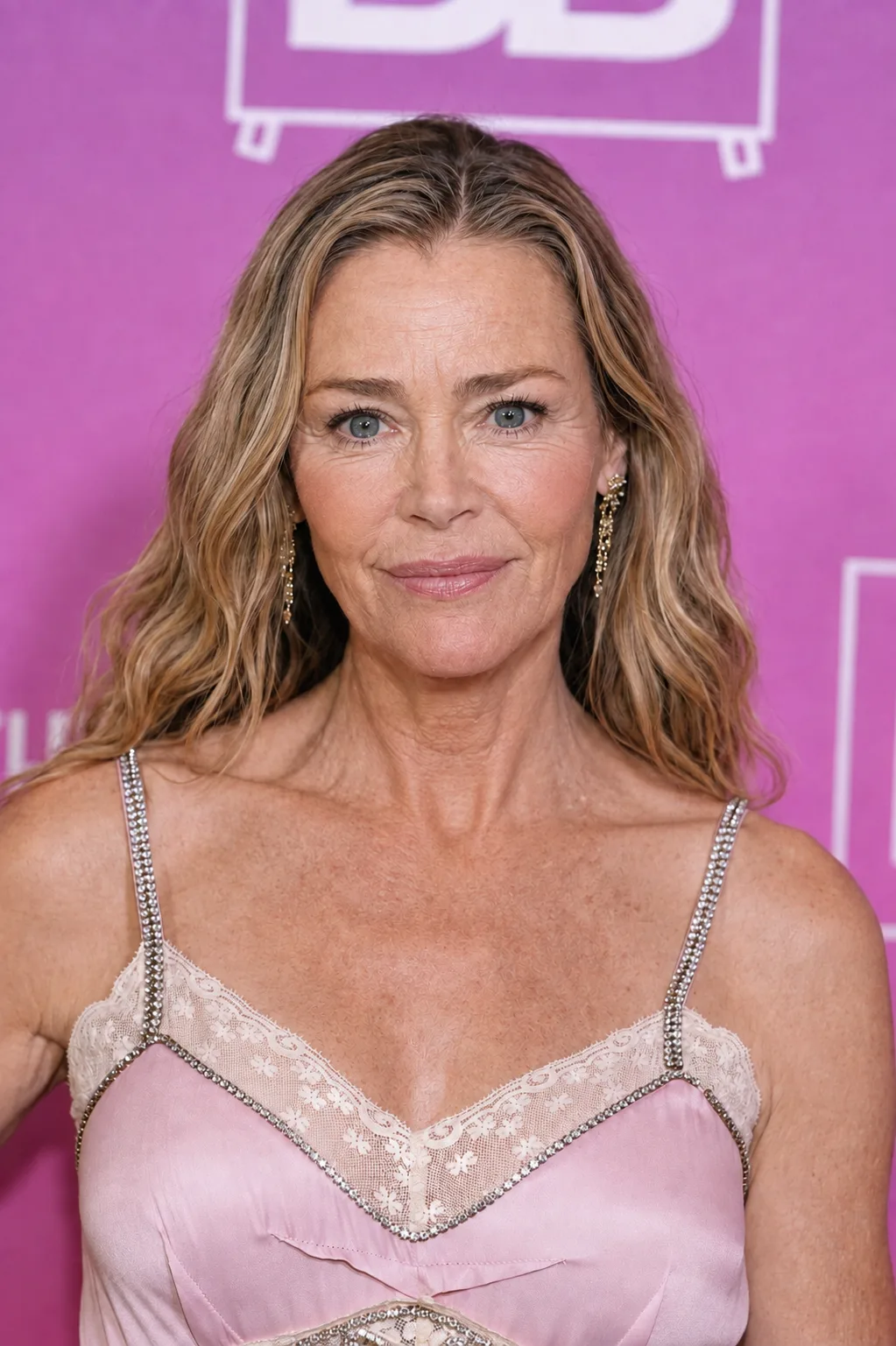
The second image carries the imagined timeline forward by five years, with the model retaining Richards’ bright eyes and facial structure, along with more pronounced indicators of aging.
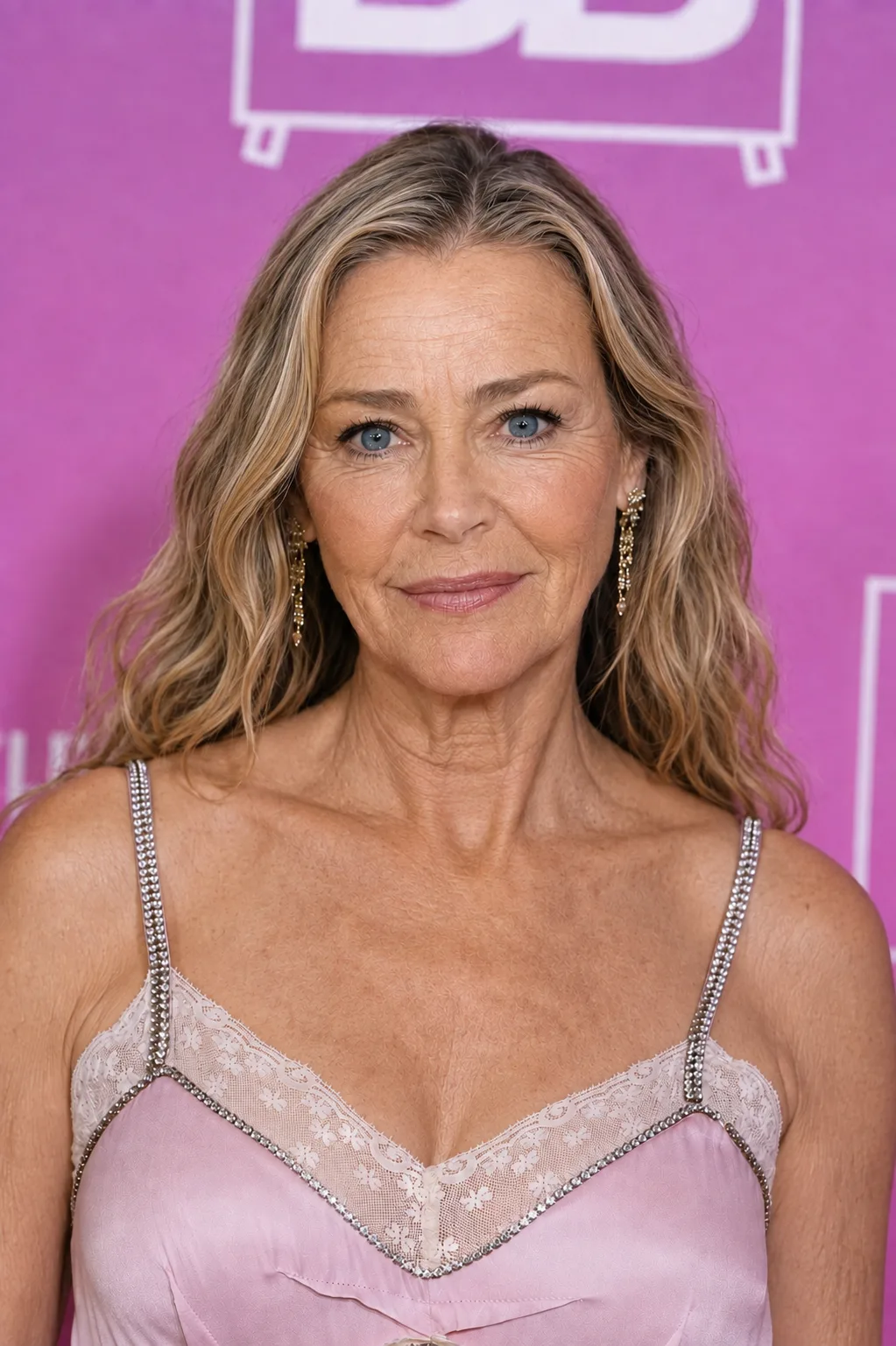
At 65, the artificial rendering accentuates deeper lines and subtly shifts the lower face and neck. This representation underscores the sentiment Richards expressed about surgery: she did not want to erase her identity. Even within this speculative timeline, her eyes, smile, and overall structure remain distinctly recognizable.
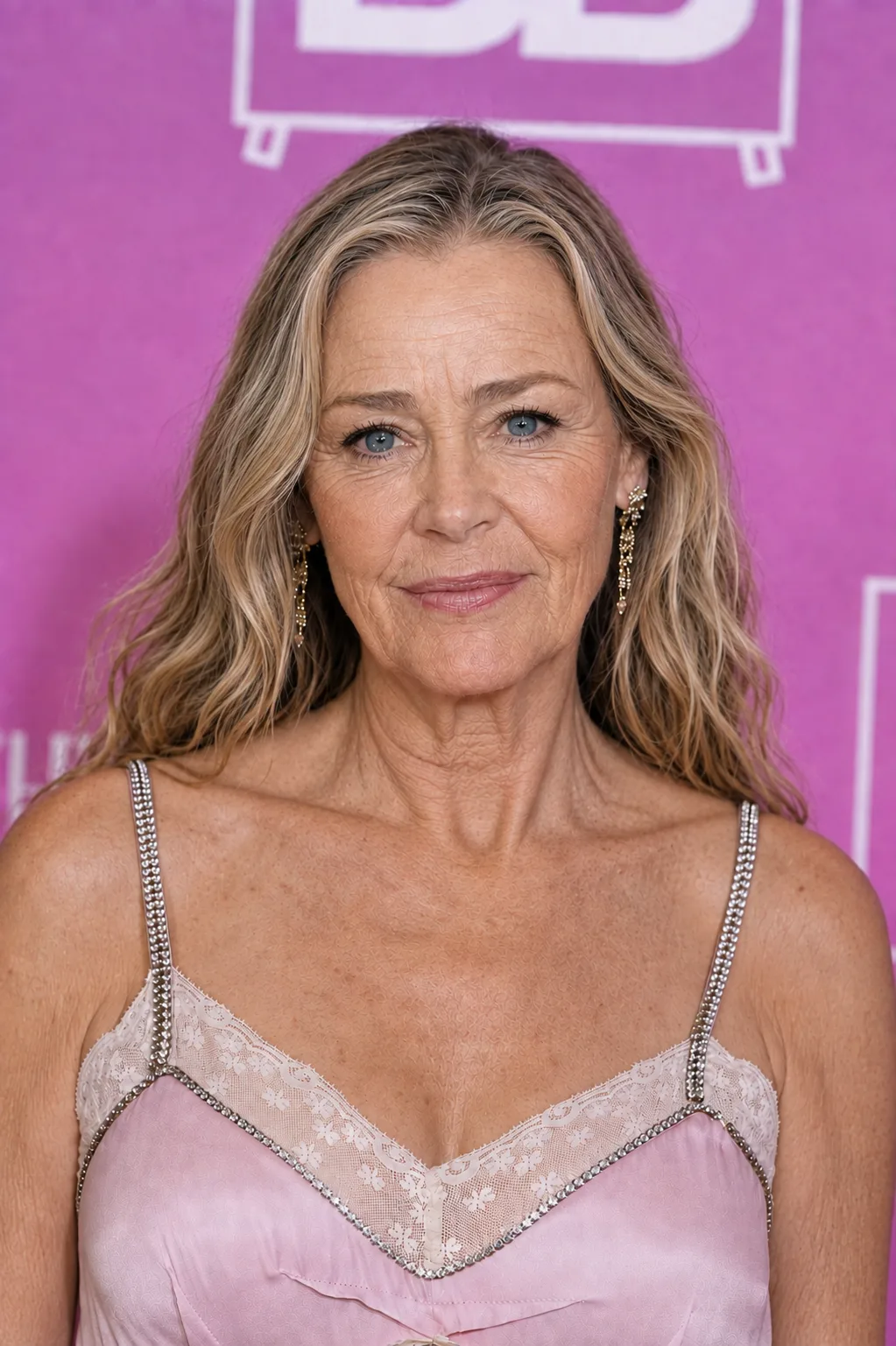
The fourth image imagines Richards in her 70s, featuring more evident gray hair and deeper facial and neck lines.
This interpretation presents an alternative answer to the overarching question: what might it mean to ‘still look like herself’ without surgical intervention?
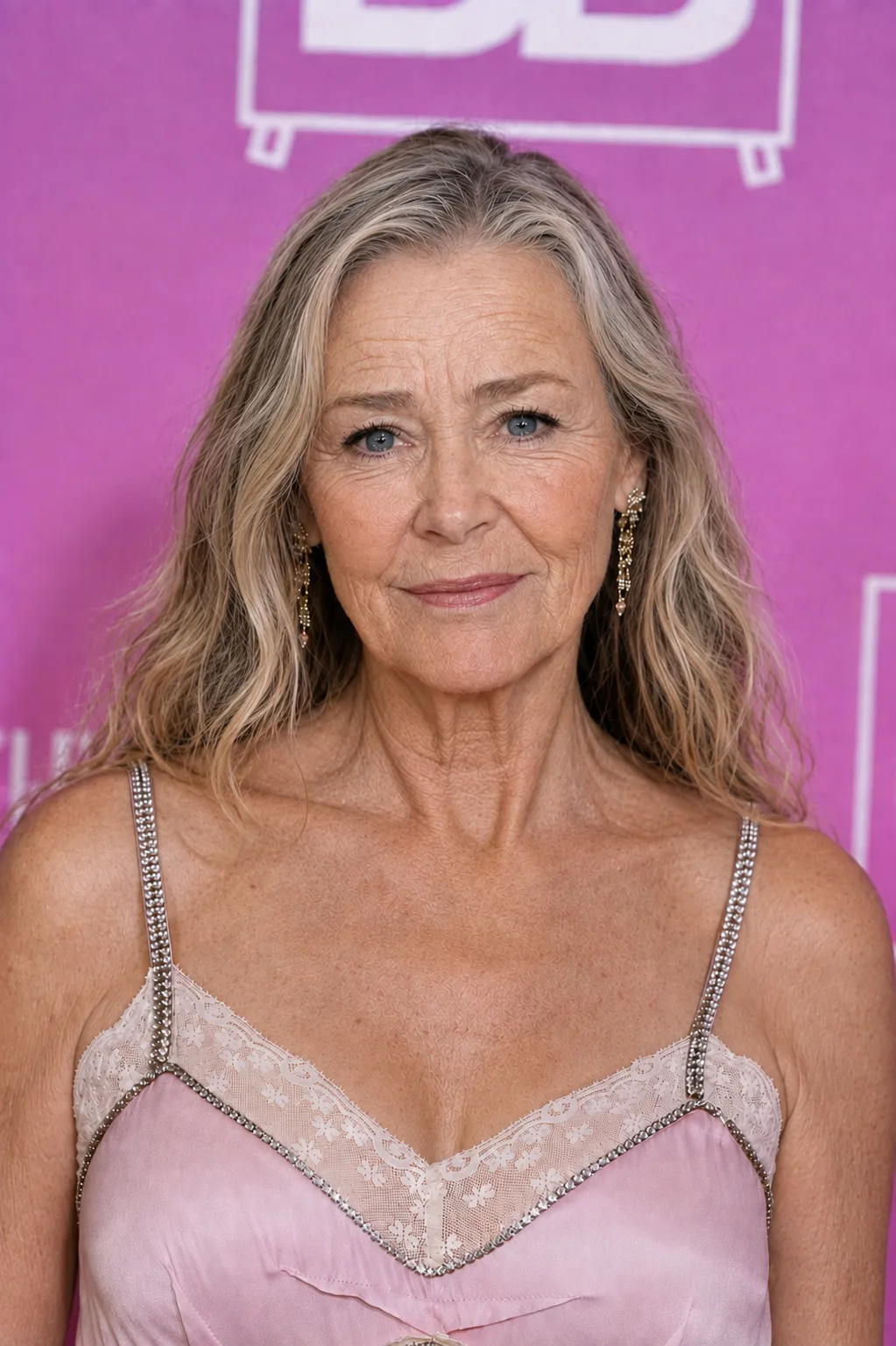
At 75, the model lightens Richards’ hair even more and introduces additional visible aging around her jaw, mouth, and eyes.
This portrayal starkly contrasts Richards’ real-life decision to ‘put things back’ instead of allowing aging to progress unchecked.
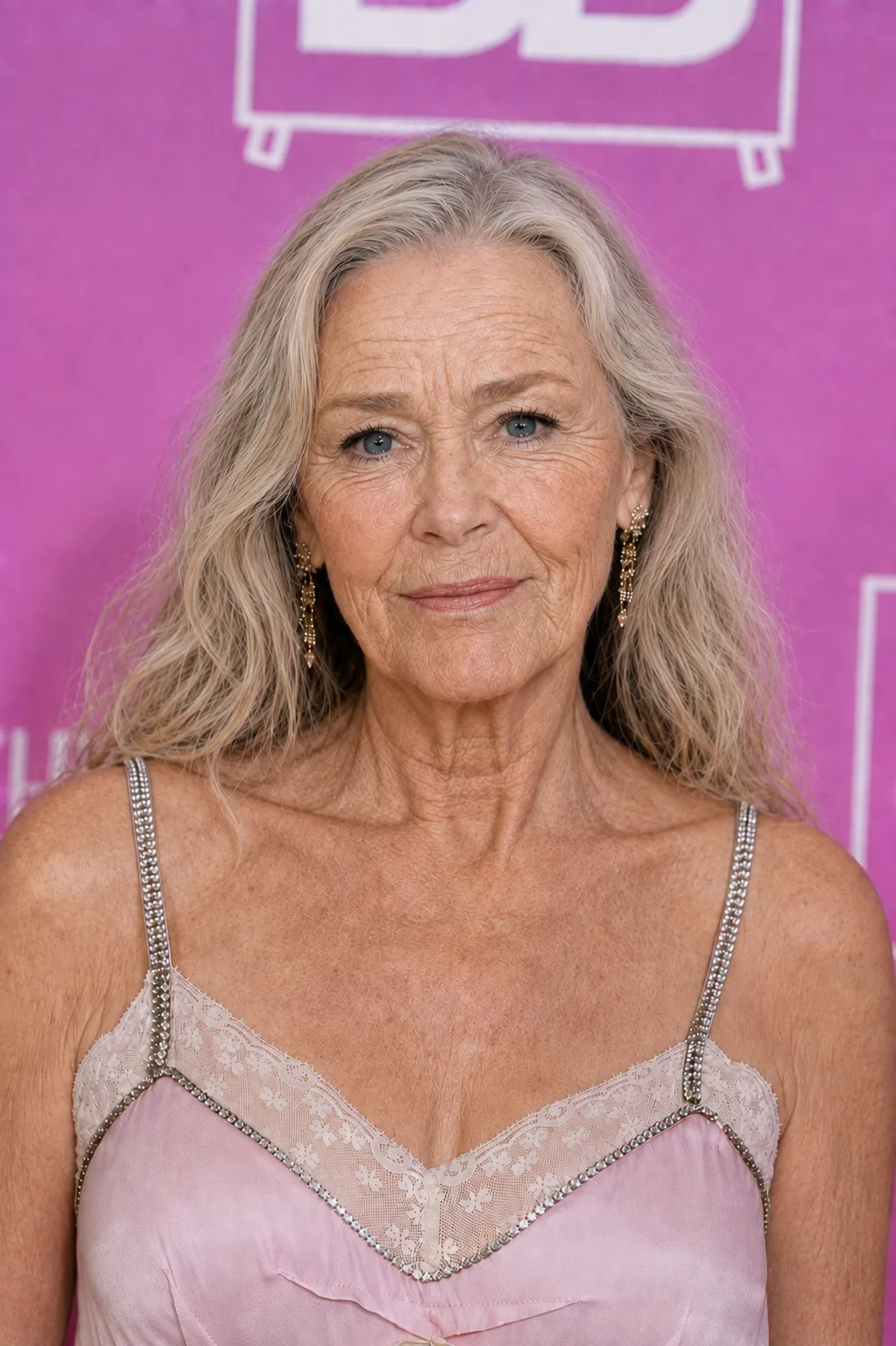
The final AI image offers a vision of Richards at age 80, featuring silver hair, fine lines, and softened facial contours.
This sequence does not definitively showcase how Richards would have aged; rather, it provides a fictional account of a different path.
Reflecting on No Regrets
Richards stated that her facelift results significantly transformed her life for the better and granted her a confidence boost she had not anticipated. She advised anyone contemplating a facelift to clarify their objectives, thoroughly research their surgeon’s work, and allow ample time for recovery.
Ultimately, Richards expressed gratitude for facing her fears and choosing to go through with the procedure. ‘It’s changed my life in such a good way,’ she remarked. ‘I wish I had done it earlier, but I’m thankful I did it when I did.’
As for future choices, Denise Richards remains open-minded, adhering to the same philosophy that guided her into surgery: never say never.
Related Posts
-
 Jennifer Garner Gets Birthday Surprise From Her Biggest Teen Crush Donny Osmond
-
 Fans Show Support for Kelly Clarkson After She Postpones Las Vegas Shows Due to Ex’s Illness
-
 Family’s Christmas Lights Deemed a “Nuisance” by HOA — Now They’re Facing Daily Fines
-
 Anne Burrell, Food Network Star and Chef, Dies at 55
About The Author