Mara Wilson’s Life After Matilda: Why the Former Child Star Stepped Away From Hollywood and Found a New Path
For millions of movie fans growing up in the 1990s, Mara Wilson became one of the most recognizable child stars of her generation. With memorable performances in beloved family films like Mrs. Doubtfire, Miracle on 34th Street, and Matilda, Wilson quickly became known for her charm, intelligence, and emotional performances at a remarkably young age.
However, despite her early success and worldwide popularity, Mara Wilson eventually stepped away from Hollywood while still in her teens. Over the years, the former child actress has spoken openly about the emotional pressures of growing up in the entertainment industry, the personal loss she experienced during childhood, and the reasons she chose a different path later in life.
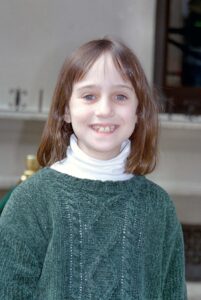 Photo by Derek Storm/FilmMagic
Today, Wilson is known not only for her acting career but also for her work as a writer, public speaker, and advocate for honest conversations about fame, identity, and mental health.
Mara Wilson’s Early Rise to Fame
Born in California in 1987, Mara Wilson began appearing in commercials before landing the role that introduced her to audiences worldwide. In 1993, at just five years old, she starred as the youngest daughter of Robin Williams’ character in the hit comedy Mrs. Doubtfire.
The film became one of the biggest box-office successes of the decade and helped establish Wilson as one of Hollywood’s most promising young performers.
Soon after, she appeared in the 1994 remake of Miracle on 34th Street, taking on the iconic role of Susan Walker. Her natural screen presence and emotional delivery made her a standout among young actors at the time.
Wilson later reflected on her childhood success by explaining that her family always tried to keep her grounded despite the attention surrounding her career. She has often credited her parents with helping her maintain a sense of normalcy during the height of her fame.
The Success of Matilda
In 1996, Wilson starred in what would become her most famous role: Matilda Wormwood in Matilda, based on the beloved Roald Dahl novel. Directed by Danny DeVito, the film developed a lasting legacy and remains one of the most celebrated family movies of the era.
The role connected deeply with audiences because of Wilson’s ability to portray both vulnerability and intelligence at such a young age. Over time, Matilda became a cultural favorite for an entire generation of viewers.
But behind the scenes, Wilson was facing enormous personal challenges during the same period.
Coping With Personal Loss at a Young Age
While filming Matilda, Wilson’s mother, Suzie Wilson, was battling breast cancer. She passed away in 1996, the same year the movie was released.
In later interviews and essays, Wilson openly discussed how deeply the loss affected her childhood and emotional well-being. She described the experience as life-changing and admitted that she struggled to understand her identity after her mother’s death.
Backstage at @OkaytoSayTX supporting #mentalhealth awareness and destigmatization! pic.twitter.com/IqfFkuRiPj
— Mara Wilson (@MaraWilson) March 8, 2018
The emotional toll of grief combined with the pressures of fame made her increasingly uncomfortable with life in the spotlight. Although audiences continued to see her as a cheerful child star, Wilson has said that she often felt overwhelmed during that period of her life.
Why Mara Wilson Left Hollywood
As Wilson entered her teenage years, she noticed a significant shift in how Hollywood viewed her. She has explained that many of the roles she once received stopped coming as she grew older and no longer fit the image of the “cute child actor” audiences remembered.
Wilson later wrote honestly about the entertainment industry’s intense focus on appearance and marketability, especially for young female performers. She has shared that she began to feel disconnected from acting and no longer enjoyed the lifestyle that came with early fame.
By the early 2000s, Wilson had largely stepped away from major film roles. One of her final notable childhood performances came in Thomas and the Magic Railroad in 2000.
Rather than continuing to pursue acting opportunities, she gradually shifted her focus toward education, writing, and personal growth away from Hollywood attention.
A New Career as a Writer and Speaker
Years after leaving the entertainment industry, Wilson found a new creative outlet through writing. In 2016, she released her memoir Where Am I Now? True Stories of Girlhood and Accidental Fame, where she reflected on childhood stardom, identity, grief, and growing up in public view.
The book received attention for its honesty and thoughtful perspective on life as a former child actor. Wilson discussed everything from navigating auditions to dealing with the emotional realities of fame at a young age.
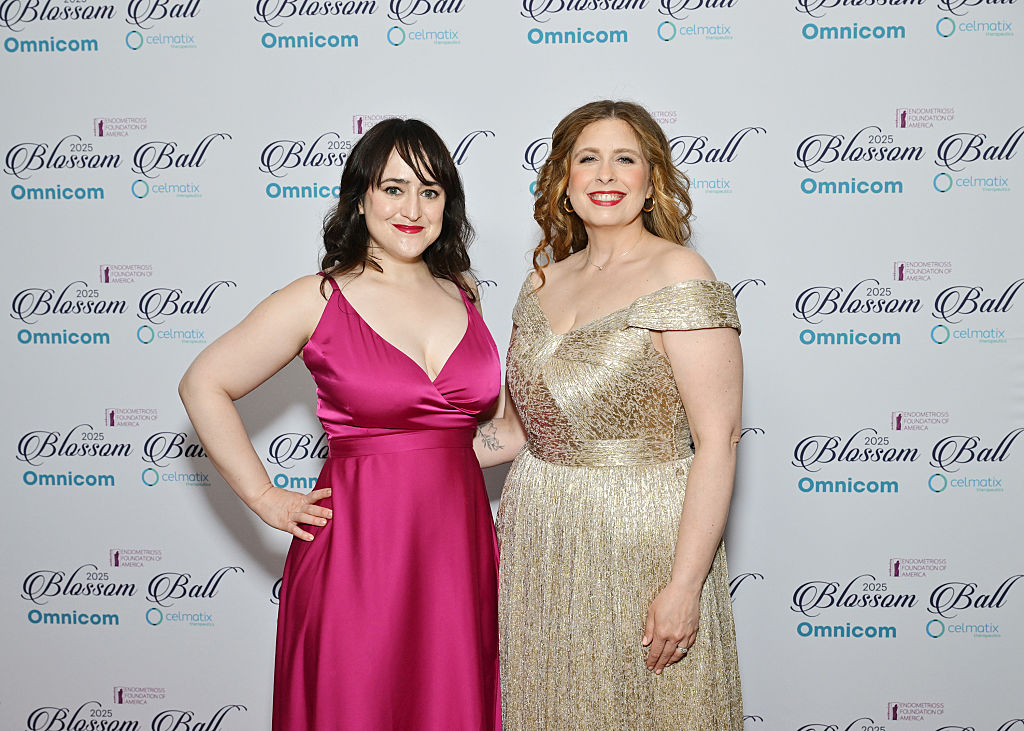 Photo by Slaven Vlasic/Getty Images for Endometriosis Foundation of America
She later released another memoir, Good Girls Don’t, continuing to explore themes related to expectations placed on young women, personal identity, and emotional resilience.
Today, Wilson frequently contributes essays, participates in interviews, and speaks publicly about mental health awareness and the realities of growing up in the entertainment industry.
How Fans Continue to Connect With Her Story
Even decades after Matilda first premiered, Mara Wilson continues to hold a special place in pop culture. Many viewers who grew up watching her films still connect strongly with her story because of her openness and honesty about the challenges behind early success.
Rather than remaining defined solely by childhood fame, Wilson has built a reputation for authenticity and thoughtful reflection. Her willingness to discuss difficult topics—including grief, self-worth, and public expectations—has resonated with audiences who appreciate her candid perspective.
For many fans, Mara Wilson’s journey represents something larger than a Hollywood success story. It is also a story about personal growth, resilience, and choosing a life that feels genuine beyond the spotlight.
Although she left acting behind years ago, her performances in classic 1990s films continue to introduce new generations to her work, ensuring that her legacy as one of the era’s most memorable child stars remains strong.
Related Posts
-
 Chrissy Metz, 45, Looks Noticeably Different After Quietly Changing Her Mind About One Treatment
-
 George Clooney Reveals Why He’s Stepped Away from Romantic Roles
-
 How Robin Williams Helped Christopher Reeve Smile Again During His Darkest Hour
-
 John Foster Channels Pure Heartbreak in His Powerful Rendition of Hank Williams Jr.’s “Mr. Weatherman”
About The Author