Country Joe McDonald, Woodstock Legend and Protest Music Icon, Dies at 84
Legendary musician Country Joe McDonald, best known for his influential role in the 1960s counterculture movement and his unforgettable performance at Woodstock, has died at the age of 84.
McDonald born Joseph Allen McDonald in 1942 in Washington, D.C. — rose to fame as the lead singer, songwriter, and co-founder of the psychedelic folk-rock band Country Joe & the Fish. The group became synonymous with the political and cultural upheaval of the era with music that stood against the Vietnam War and spoke directly to young Americans’ desire for peace and social change.
He died on March 7, 2026, in Berkeley, California, from complications related to Parkinson’s disease, according to multiple reports and statements from his family.
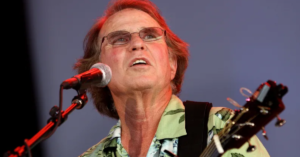
A Voice of Protest and a Symbol of the ’60s
Country Joe and the Fish first gained national attention in the mid-1960s with their politically charged lyrics and distinctive blend of folk, rock, and psychedelia. Their music became a rallying cry for the antiwar movement and the broader counterculture generation.
Perhaps McDonald’s most enduring legacy is the song “I-Feel-Like-I’m-Fixin’-to-Die Rag,” a satirical anti-Vietnam War anthem that captured the frustrations of young Americans during a tumultuous era. The track — and the accompanying “Fish Cheer” — became emblematic of protest music and reached an even wider audience with his solo performance at the Woodstock Music & Art Fair in 1969, a moment that remains one of the festival’s most iconic highlights.
At Woodstock, McDonald famously led the massive crowd in call-and-response chants that underscored both the song’s biting satire and its emotional resonance. That performance helped cement his reputation as a powerful voice of his generation.
Beyond Woodstock — A Lifelong Advocate
McDonald’s influence extended well beyond that historic weekend. After Country Joe & the Fish initially disbanded in the early 1970s, he continued a successful solo career, releasing more than 30 albums and working as an artist who blended music with activism. Throughout his life he remained connected to causes he believed in, including veterans’ rights, environmental issues, and social justice.
While his music was rooted in a specific historical moment, its themes continue to resonate with listeners who look back on the 1960s as a time of cultural transformation and political engagement.
Remembering the Man Behind the Music
Beyond his stage persona, McDonald was known among peers and friends as a thoughtful artist whose work was informed by a deep commitment to his beliefs. He served in the U.S. Navy before discovering his voice as a musician in the vibrant San Francisco Bay Area scene, where he helped shape the sound and direction of the emerging psychedelic folk movement.
McDonald’s personal life was rich and full; he is survived by his wife, Kathy, five children, and four grandchildren. Those close to him have described his passing as the end of an era — not just for fans of his music, but for a generation that saw his songs as soundtracks to moments of social change.
A Legacy That Endures
Country Joe McDonald wasn’t just a performer — he was a cultural force whose music helped define a generation’s hopes, frustrations, and demands for change. From grassroots clubs in Berkeley to the sprawling fields of Woodstock, his voice and message touched millions and helped shape the way music and activism intersected in modern history.
As tributes pour in following his death, fans and fellow artists alike remember him not only as a Woodstock legend, but as a true voice of protest and conscience whose songs will continue to inspire listeners for decades to come
Related Posts
-
 Vin Diesel Reflects on His Bond with Meadow Walker, Calling Her ‘Family’
-
 8-Year-Old Meets Dolly Parton at Dollywood in Heartwarming Surprise Encounter
-
 How Robin Williams Helped Christopher Reeve Smile Again During His Darkest Hour
-
 Bridget Moynahan and Her Son Jack at the 2026 US Open — Fans Cant Stop Talking About Who He Looks Like
About The Author