The Song Dolly Parton Chose for Her Funeral and What It Discloses – Details & Photos
Despite the glamorous life she led, the details regarding her final goodbye revealed a deeply personal aspect of her character. What came to light afterward provided a meaningful insight into the principles she held dear until her last moments.
Although Dolly Parton had a rich catalog that could have sufficed for her memorial service, her choice for the last song was notably different. As intimate snapshots from her farewell gathering started to circulate, they added a profoundly personal dimension to the narrative.
Parton, who passed away at the age of 80, spent many years crafting music that became staples in American culture. However, instead of selecting her renowned hits for her funeral, she reportedly turned to the gospel music that had inspired her from the very start.
This choice is particularly meaningful given how significantly her faith, family, and the influence of her Smoky Mountain roots were intertwined with her public persona.
On August 28, 2026, Parton was laid to rest after a small, private gathering attended by her immediate family at Woodlawn Memorial Park and Mausoleum in Nashville.
The service took place just three days after her passing following a brief struggle with cancer. Her family opted for a private farewell, allowing those closest to her to say their goodbyes away from the intense public scrutiny surrounding her death.
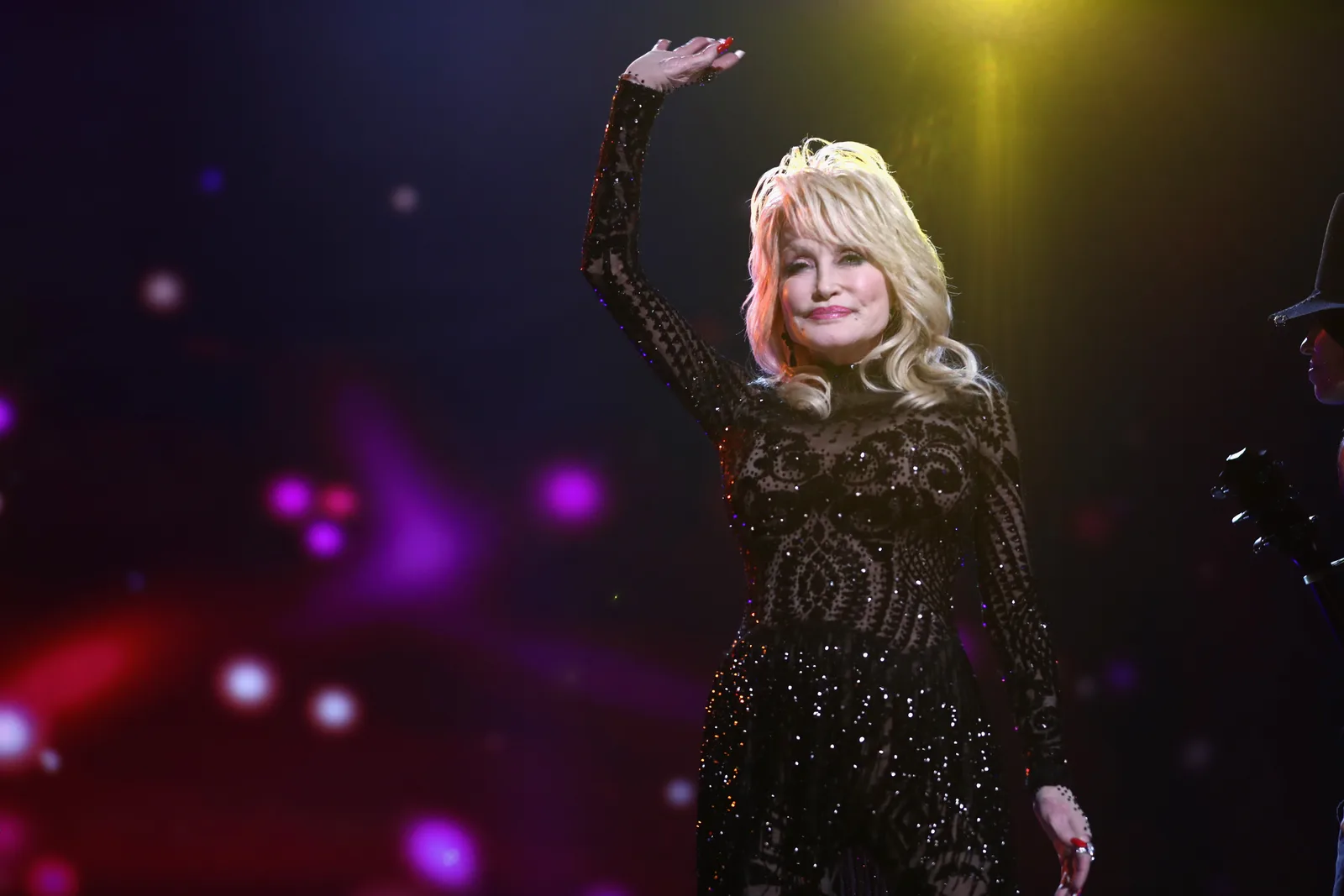
A report from the Nashville cemetery indicated that arrangements were also made for fans. The burial site was set up with velvet ropes and a guest book, giving admirers an opportunity to visit and leave messages of remembrance.
Another report confirmed that Parton had been interred following a small private service in Nashville, with condolences flooding in from family, friends, and fans globally.
The location was poignantly close to her roots, as Parton was laid to rest next to her husband Carl Dean, who had passed away in March 2025.
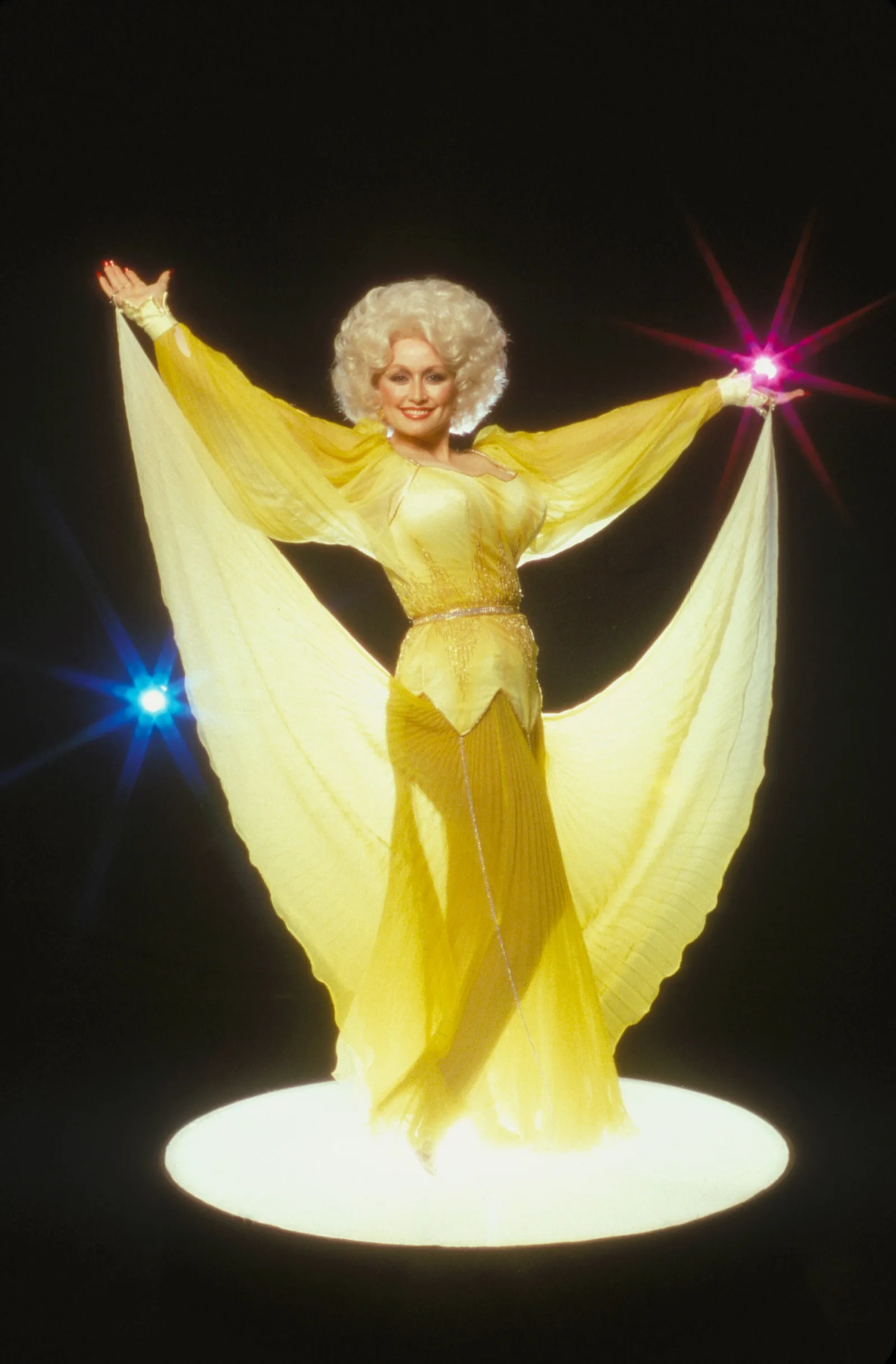
Dean had been interred at Woodlawn in a mausoleum, where a plaque had already been placed featuring both their names. This plaque holds several personal elements.
As reported, the plaque includes engravings of two houses, one of which is Parton’s childhood home in Sevier County, Tennessee. It also displays their wedding date and a pair of intertwined wedding bands, elevating what could have been a basic memorial into a much more intimate tribute.
These details transform the plaque from a mere monument into a snapshot reflecting the shared life Parton and Dean constructed together.
Their marriage began in 1966, and although Parton enjoyed an extraordinary public career, Dean preferred to stay out of the limelight, resulting in one of entertainment’s quieter yet more enduring love stories.
Parton’s choice of what would surround her in her final resting place seems to echo her core values: home, love, and family. The feeling of home was especially significant for her as she frequently returned to the Smoky Mountains, never fully distancing herself from her humble beginnings.
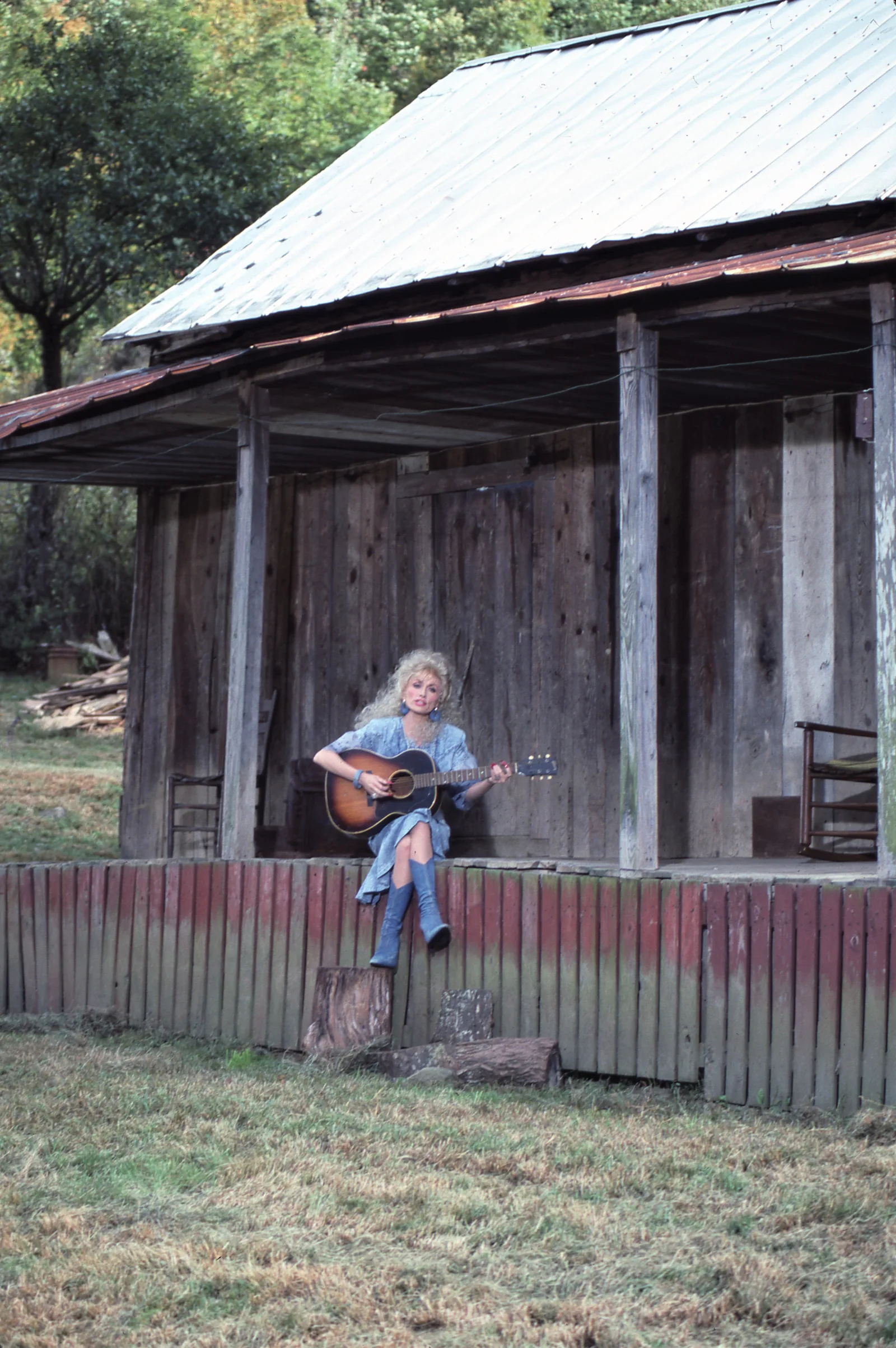
Recently surfaced photos from the funeral reveal the intimate nature of the gathering, where family members and other mourners could be seen exchanging hugs as they arrived and left. The simplicity of this event became a focal point of discussion online.
Some observers were taken aback by the understated nature of the farewell, particularly in light of Parton’s immense fame and the countless artists, entertainers, and public figures she influenced during her career.

One comment on Instagram stated, “This feels so wrong. Bless her soul.” Another user remarked, “I expected a big service with celebrities and leaders paying their last respects,” while someone else inquired, “Was Miley there too?”
These remarks highlight the vast public presence Parton had cultivated over the years. Yet, the images themselves captured a more intimate and private moment: a family mourning a loss that could not be diminished by celebrity.
Then there was a detail about the music selected for her farewell that perhaps conveyed the atmosphere better than anything else.
Even with one of the most iconic song repertoires in country music, it is reported that Parton did not select one of her own songs for her funeral. Instead, she chose ‘If We Never Meet Again (This Side of Heaven),’ a classic gospel piece credited to songwriter Albert Brumley.
Many artists have interpreted this song over the years, including Jerry Lee Lewis, the Chuck Wagon Gang, and the Brown’s Ferry Four. Its poignant message revolves around the theme of separation in life, paired with the hope of reunion in the afterlife.
One particularly touching line states, “If we never meet again this side of heaven, I’ll meet you on that beautiful shore.”
For Parton, who had already experienced the loss of many close to her, the lyrics likely resonated on a deeply emotional level.
The selection may evoke thoughts of her late husband and her parents, transforming the choice into a personal expression of hope regarding what lies beyond farewell.
Moreover, the significance of this choice extends further. Brumley, the creator of ‘If We Never Meet Again,’ hailed from Oklahoma’s Choctaw Nation and gained fame for his contributions to white gospel music, including pieces like ‘I’ll Meet You in the Morning,’ ‘Turn Your Radio On,’ and ‘Rank Strangers.’
His music ultimately transcended the cultural and geographical boundaries of its origins. His well-known hymn ‘I’ll Fly Away’ found a place in the repertoires of many Black gospel musicians, such as the Five Blind Boys of Mississippi and the Brooklyn Tabernacle Choir.
Even Aretha Franklin and Jesse Jackson collaborated on a recording of this song. This historical context adds depth to Parton’s reported funeral choice, as the music she selected belongs to a gospel tradition that has consistently crossed racial, regional, and stylistic divides.
Furthermore, ‘If We Never Meet Again’ has transcended its initial context. As reported, it was even interpreted by the All for Christ Singers, blending American gospel hymns with traditional Zimbabwean music. This ability of a single melody or message to traverse communities mirrors Parton’s own diverse career.
Parton had a connection to Brumley’s music herself. She had performed ‘I’ll Fly Away’ in concerts, captivating audiences with a song rooted in the promise of liberation and life beyond.
Her own work also transcended boundaries that typically separate listeners. A notable example is Whitney Houston’s rendition of ‘I Will Always Love You,’ a song that Parton composed and popularized in country music before Houston redefined it for a wider audience.
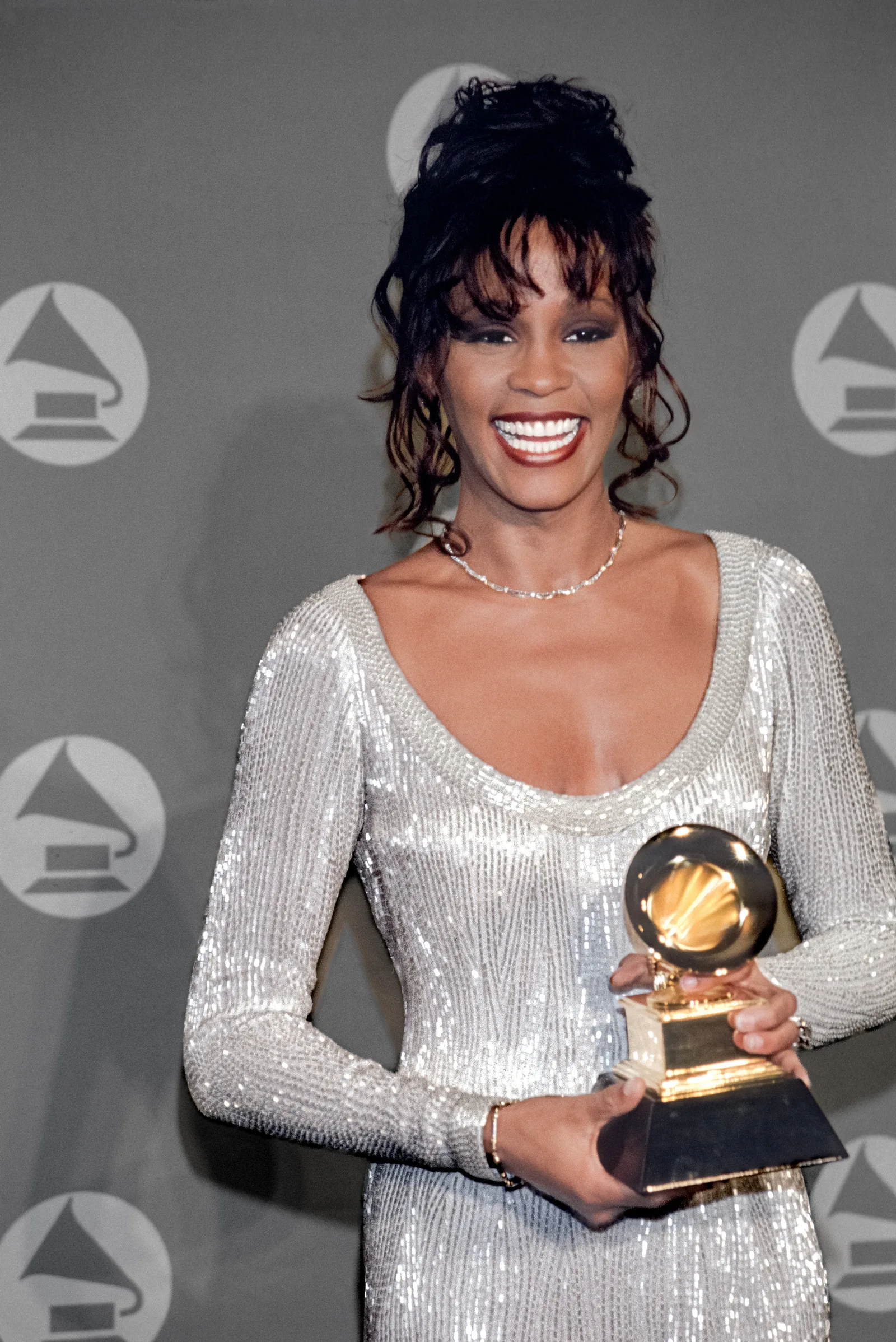
When Houston won a Grammy for her version in 1994, Parton had the honor of presenting the award to her. This musical exchange serves as a lasting testament to Parton’s ability to craft songs that resonate across genres and generations.
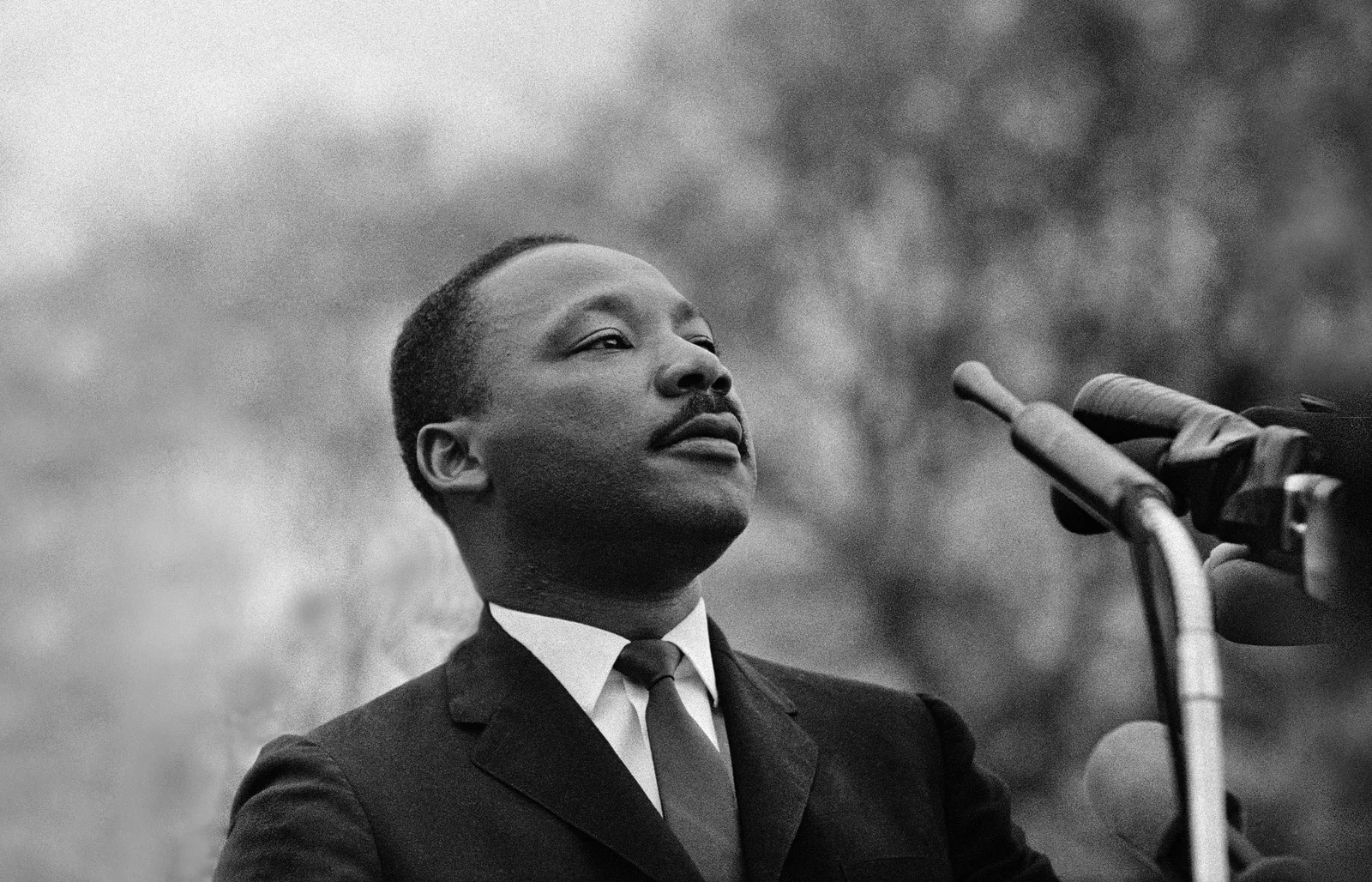
The reported song choice also connects Parton to a broader tradition of notable figures whose funeral music conveyed a deeper message. For instance, Martin Luther King Jr. selected ‘Take My Hand, Precious Lord,’ composed by Thomas Dorsey, which has been rendered by artists like Mahalia Jackson and Elvis Presley, with Aretha Franklin performing at King’s memorial.
Decades later at Franklin’s own funeral, Gladys Knight sang ‘Bridge Over Troubled Water,’ a beloved song inspired by gospel music. These instances demonstrate how the selection of funeral music can transcend mere background noise.
It can provide a final insight into what held significance for an individual when the accolades, recognition, and public persona have faded away. In Parton’s case, her reported choice aligns beautifully with the essence she shared with the world over many years.
Rising from modest beginnings in the Smoky Mountains to worldwide fame, Parton never fully detached from her origins. Her choice of a classic gospel song over one of her major hits seems to bring her journey full circle.
There was no necessity for ‘Jolene,’ ‘9 to 5,’ or even ‘I Will Always Love You’ to signify her uniquely Dolly Parton identity. Instead, the sentiment she reportedly chose signals a perspective that looks beyond fame: the belief that goodbyes may be temporary and that loved ones may await on another shore.
This makes the newly surfaced images from the funeral even more poignant. They do not showcase the larger-than-life star that audiences adored from stages and screens.
Rather, they reveal the quieter moments of family left to grieve after losing one of the most recognizable figures in entertainment, who was simply someone’s beloved.
The intimate photographs, combined with the gospel song she reportedly selected, convey a similar narrative.
Despite the glitter and celebrity that colored her life, Parton’s farewell seems to have returned to the fundamental principles that preceded it all: family, faith, music, and the place she called home.
Related Posts
-
 Dolly Parton Supports East Tennessee Children’s Hospital With Transformational Contribution
-
 Peter Falk and the Legacy of Columbo: A Look at His Final Years
-
 New Details Emerge in Rob Reiner and Wife Michele’s Murder Case: Two Critical Discoveries Reshape the Investigation
-
 Happy 71st Birthday to Dennis Quaid! Celebrate the beloved actor with 5 surprising facts you probably didn’t know about this Hollywood star.
About The Author