The True Story Behind Dolly Parton’s “I Will Always Love You” and Her Farewell to Porter Wagoner
A defining moment in country music history
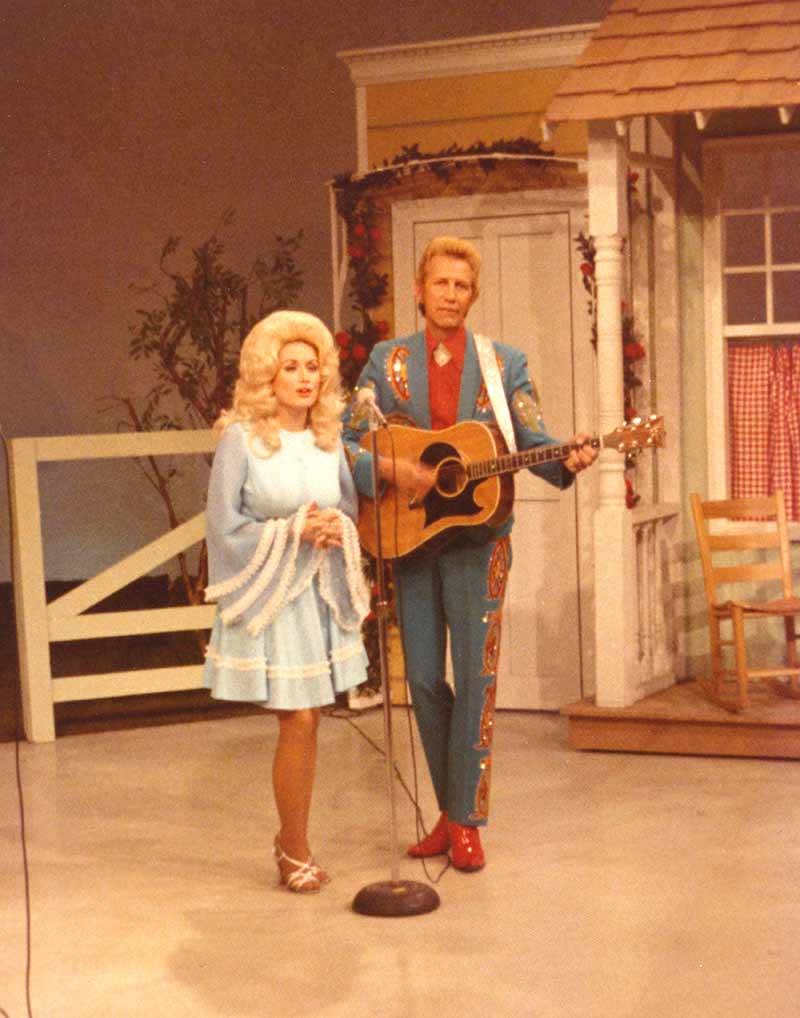
Few songs in country music history carry as much meaning as “I Will Always Love You,” written and recorded by Dolly Parton. While the song later became a global pop phenomenon, its original inspiration was deeply personal. Parton wrote the song in 1973 as a farewell to Porter Wagoner, the country music star who helped launch her career.
At the time, Parton was beginning to outgrow her role as Wagoner’s duet partner on The Porter Wagoner Show, a popular television program that had introduced her to a national audience. After joining the show in 1967, she quickly became a fan favorite thanks to her distinctive voice and songwriting ability.
However, by the early 1970s Parton wanted to pursue a solo career and expand her musical direction beyond the duet format that had made her famous.

A song written as a respectful goodbye
As tensions grew over her desire to leave the show, Parton chose to express her feelings through songwriting. She wrote “I Will Always Love You” as a message of appreciation and farewell to Wagoner, acknowledging the role he played in her early success while making it clear that she needed to move forward with her own path.
According to Parton, she performed the song for Wagoner privately before leaving the show. The emotional moment reportedly helped him understand her decision, even though their professional partnership was coming to an end.
The song was released in 1974 and quickly reached number one on the Billboard Hot Country Songs chart, becoming one of Parton’s first major solo successes.
A rare chart achievement
Parton later recorded the song again in 1982 for the film The Best Little Whorehouse in Texas, in which she starred alongside Burt Reynolds. Remarkably, the new version also reached number one on the country chart, making Parton one of the few artists to achieve the feat of topping the charts twice with the same song.
The track’s emotional lyrics and simple arrangement helped it become one of the most beloved songs in country music.
Turning down Elvis Presley
Another notable chapter in the song’s history came when Elvis Presley expressed interest in recording it. However, Presley’s management team requested partial ownership of the publishing rights to the song as a condition of the recording.
Parton ultimately declined the offer because she did not want to give up control of the song she had written. Although she later admitted the decision was difficult, keeping the publishing rights allowed her to retain full ownership of the song’s future success.
Whitney Houston’s global hit
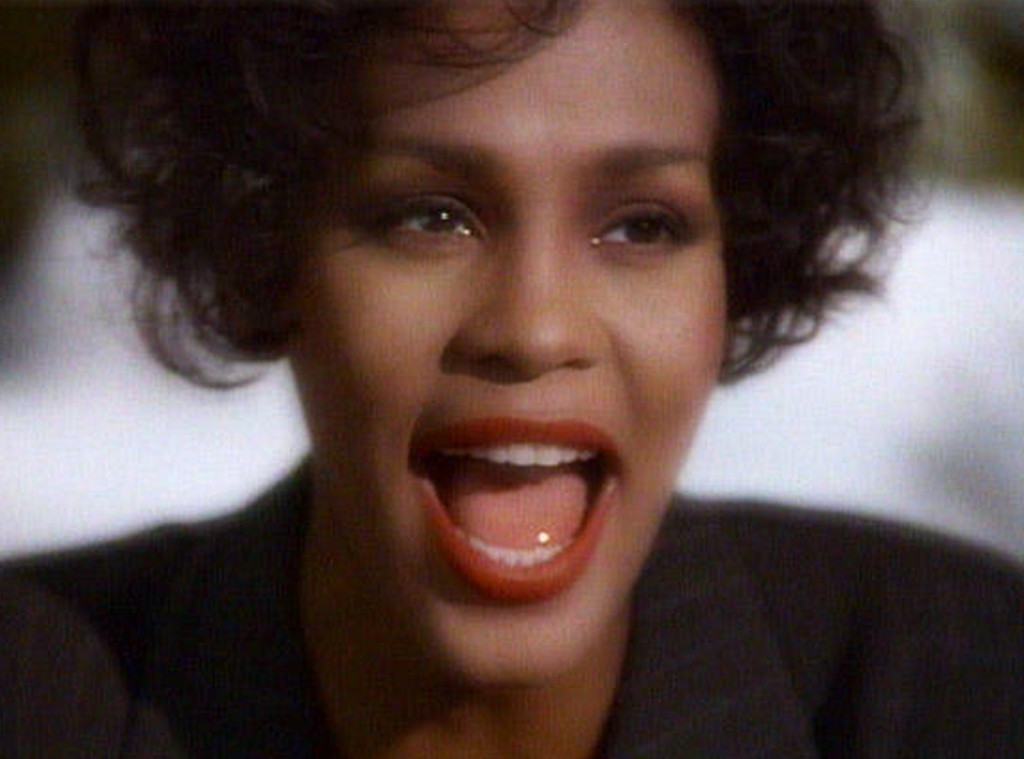
Nearly two decades later, the song gained worldwide fame when Whitney Houston recorded a powerful version for the 1992 film The Bodyguard. Houston’s rendition became one of the most successful singles in music history, spending 14 weeks at number one on the Billboard Hot 100 and selling millions of copies worldwide.
Because Parton retained the publishing rights, the success of Houston’s recording significantly increased the financial value of the song and further solidified its legacy.
Reconciliation and respect
Although Parton and Wagoner experienced professional disagreements during their separation, the two eventually reconciled. Over time, Parton often credited Wagoner for helping her gain national exposure early in her career.
She later honored him publicly and acknowledged the important role he played in shaping her path in the music industry.
A legacy beyond music
The success of “I Will Always Love You” helped establish Dolly Parton not only as a performer but also as a highly respected songwriter and businesswoman. Throughout her career she has used her success to support numerous charitable initiatives.
One of her most well-known programs is the Imagination Library, which provides free books to young children in communities around the world. The program has delivered millions of books to families since it began in the mid-1990s.
Conclusion
“I Will Always Love You” remains one of the most influential songs in modern music history. What began as a heartfelt farewell between two country music performers eventually became a global anthem recorded by artists across generations.
For Dolly Parton, the song symbolizes both gratitude and independence — a moment when she chose to follow her own path and ultimately shaped one of the most remarkable careers in entertainment history.
Related Posts
-
 American Idol 2026 Schedule Update: ABC Adjusts Programming After ‘The Bachelorette’ Cancellation
-
 Jennifer Lopez’s Daring WorldPride Bodysuit Sparks Debate Over Age, Fashion, and Fame
-
 American Idol’s Breanna Nix Reveals How She Lost Nearly 100 Pounds and Found Healing After Struggles with Substance Abuse
-
 Chris Stapleton and Miranda Lambert Shock Fans With First-Ever Live Performance of New Duet “A Song to Sing”
About The Author